What Every Dubai Resident Should Know About the Job Market Right Now
As hiring patterns shift across sectors, understanding employment trends is crucial for anyone planning their financial future in the emirate.
As hiring patterns shift across sectors, understanding employment trends is crucial for anyone planning their financial future in the emirate.
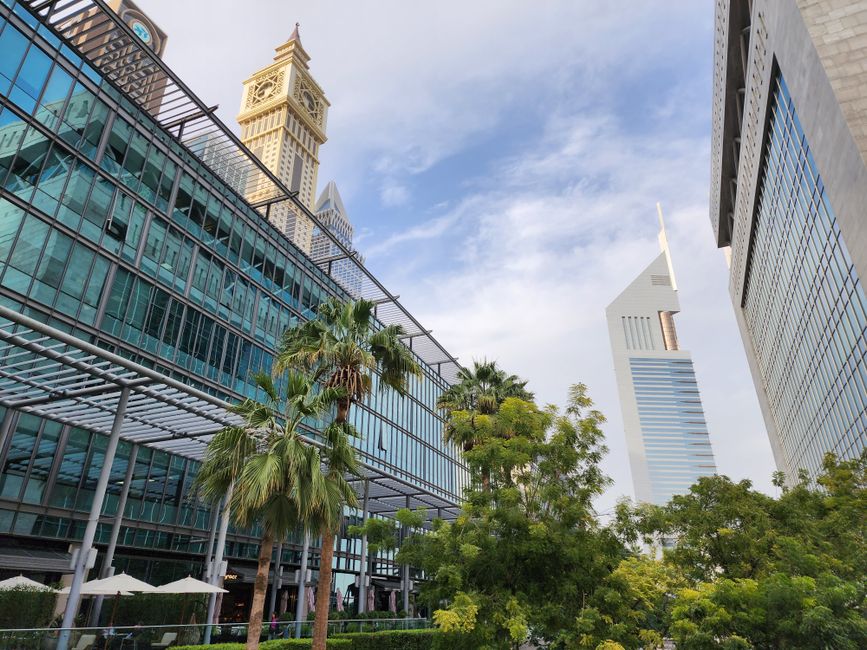
Dubai's labour market is undergoing subtle but significant changes that deserve attention from anyone with a salary cheque or job-hunting plans. Whether you're commuting to the financial districts around DIFC or working in hospitality along Sheikh Zayed Road, the employment landscape in 2026 tells a story worth understanding.
The most notable shift has been the steady diversification beyond traditional sectors. While finance and real estate remain anchors, emerging opportunities in renewable energy, logistics technology, and digital services are reshaping recruitment patterns across Business Bay and beyond. For job seekers, this means the traditional pathways are becoming less predictable—but new doors are opening elsewhere.
Salary expectations have remained relatively stable in established sectors, though cost-of-living considerations are increasingly part of employment negotiations. With villa rents in areas like Emirates Hills and Downtown Dubai continuing to command premium prices, residents are factoring housing costs more carefully into career decisions. Entry-level positions across sectors typically range from AED 3,000 to AED 5,000 monthly, though specialist roles command significantly higher packages.
One critical factor everyday residents should understand: contract flexibility is becoming negotiable in ways it wasn't previously. Companies across Deira, Bur Dubai, and newer business zones are offering hybrid arrangements, professional development allowances, and performance-linked benefits more readily than they did five years ago. For employees, this represents a meaningful shift in bargaining power.
The expat workforce—which comprises the majority of Dubai's employment base—should note that visa sponsorship discussions are happening earlier in recruitment conversations. Labour regulations continue evolving, and employers in sectors from hospitality to healthcare are becoming more transparent about long-term employment prospects.
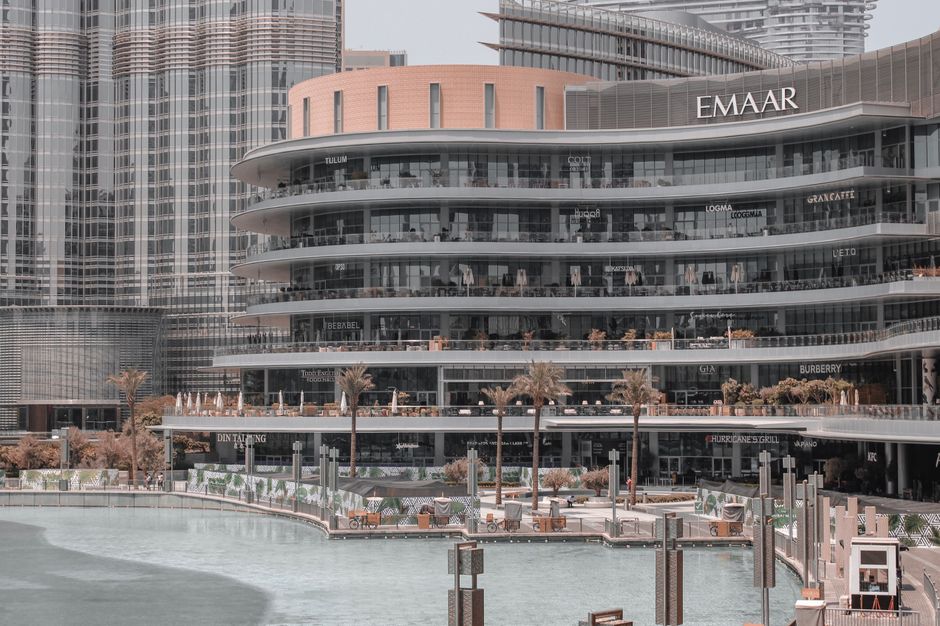
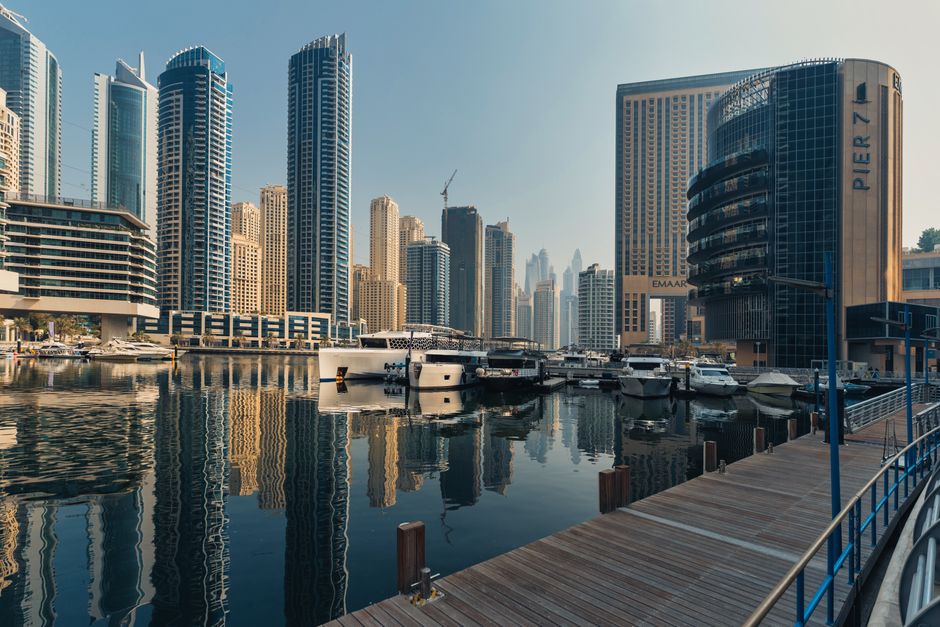
Sector-specific trends matter significantly. Tourism and hospitality, centred around areas like the Marina and Downtown Dubai, are experiencing robust growth following international travel patterns. Meanwhile, financial services in DIFC are consolidating operations, meaning fewer total positions but slightly higher compensation for remaining roles. Logistics and supply chain roles remain in strong demand, reflecting Dubai's position as a regional hub.
For residents considering career moves or evaluating current positions, several practical steps apply: benchmark your salary through professional networks and recruitment agencies; understand what benefits packages include beyond base salary; and assess contract terms carefully, particularly regarding sponsorship obligations and exit clauses. The Dubai market remains competitive and opportunity-rich, but informed decisions beat reactive ones.
The takeaway? Dubai's job market is healthy and diversifying, but success increasingly requires understanding sector-specific dynamics rather than relying on historical patterns. Stay informed, remain flexible, and remember that your bargaining position as an employee is stronger now than it has been in years.
This article was compiled by AI from the sources linked above and screened before publishing. See our editorial standards.
How does this story make you feel?
Spread the word
About this article
Published by The Daily Dubai
Daily brief
Free, in your inbox before 7am. Weekdays.
More in Business