Dubai's Office Market: Reading the Economic Tea Leaves Behind Rising Rents and Capital Flows
A closer look at what commercial property trends reveal about investor confidence, global fund movements, and the emirate's economic trajectory.
A closer look at what commercial property trends reveal about investor confidence, global fund movements, and the emirate's economic trajectory.
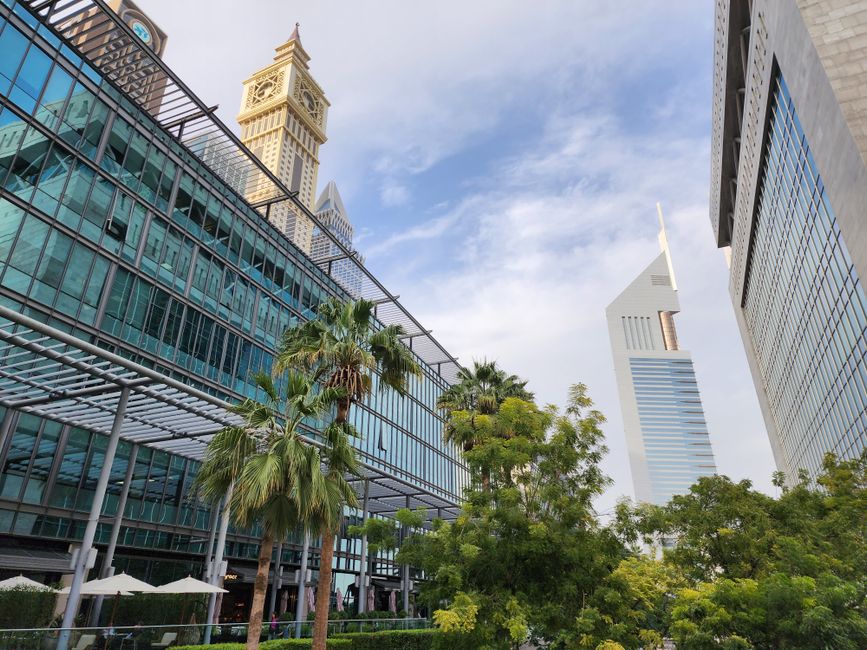
Dubai's commercial real estate market has become a barometer of broader economic sentiment, and the signals it's sending in mid-2026 tell a nuanced story about where global capital is flowing and why.
Over the past 18 months, average office rents in Business Bay have climbed approximately 12–15 per cent, while Marina and Downtown Dubai have seen more modest growth of 6–8 per cent. These divergent trends aren't random. Business Bay's stronger performance reflects sustained demand from financial services, technology, and consulting firms seeking proximity to regulatory hubs and established infrastructure. Simultaneously, the relative steadiness in premium addresses like Downtown Dubai signals market maturation—investors are becoming selective rather than speculative.
Absorption rates paint another revealing picture. Commercial leasing activity across Dubai's core districts reached 2.8 million square feet in the first half of 2026, up from 2.1 million in the same period last year. But here's the crucial detail: roughly 60 per cent of this demand came from companies expanding or relocating operations, while 40 per cent represented new market entrants. This split matters immensely. It suggests confidence among established operators—a sign of economic stability—while also indicating that Dubai remains competitive for attracting fresh international players.
Capital flows tell a complementary story. Real estate investment trusts (REITs) and institutional funds have injected an estimated 4.7 billion dirhams into Dubai's commercial sector since January 2026, a 23 per cent increase compared to the equivalent period in 2025. The majority of this capital has targeted stabilised, income-generating assets rather than development-stage projects—reflecting a cautious but committed investor posture globally.
Grade-A office space remains the darling of this movement. Properties with modern sustainability credentials, flexible lease terms, and amenities supporting hybrid work models command rental premiums of 15–20 dirhams per square foot annually, compared to 11–13 dirhams for conventional stock. This premium reflects not aesthetic preference but economic logic: tenants are signalling they'll pay more for adaptability and operational resilience.
What does this mean for Dubai's broader economy? The data suggests measured optimism tempered by caution. Companies are investing in permanent footprints here—a vote of confidence—but deploying capital deliberately rather than aggressively. International fund managers see Dubai as a stable, regulated market with genuine end-user demand, but not as a bargain-hunting opportunity.
For business leaders and investors, the message is clear: Dubai's commercial property market reflects a maturing, diversified economy attracting serious, long-term capital. The days of frenzied speculation have given way to disciplined fundamentals.
This article was compiled by AI from the sources linked above and screened before publishing. See our editorial standards.
How does this story make you feel?
Spread the word
About this article
Published by The Daily Dubai
Daily brief
Free, in your inbox before 7am. Weekdays.
More in Business


