Dubai's Job Market Faces Headwinds as Talent Wars and Cost Pressures Intensify
Despite the emirate's economic resilience, employers across DIFC and beyond grapple with talent retention, salary inflation, and a shifting workforce landscape.
Despite the emirate's economic resilience, employers across DIFC and beyond grapple with talent retention, salary inflation, and a shifting workforce landscape.
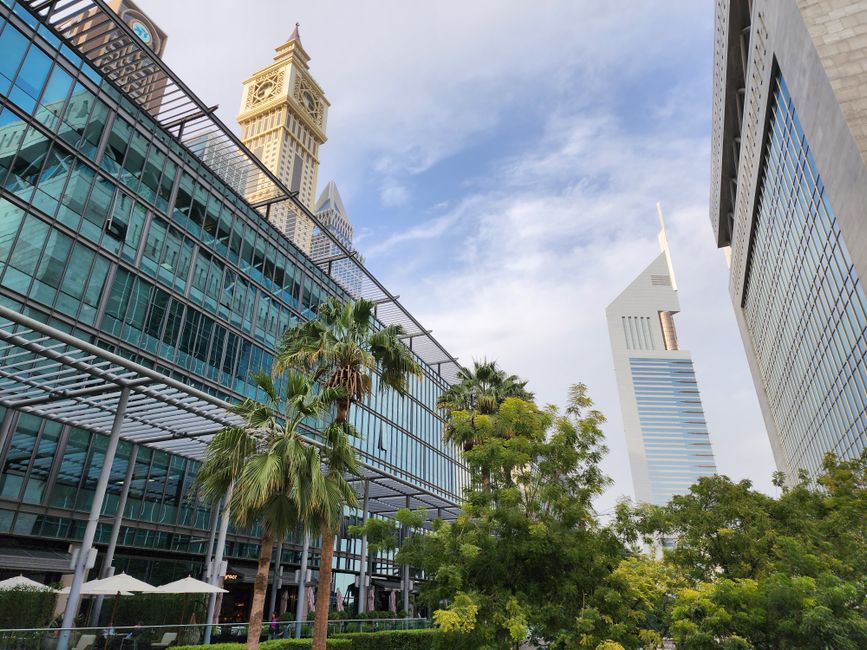
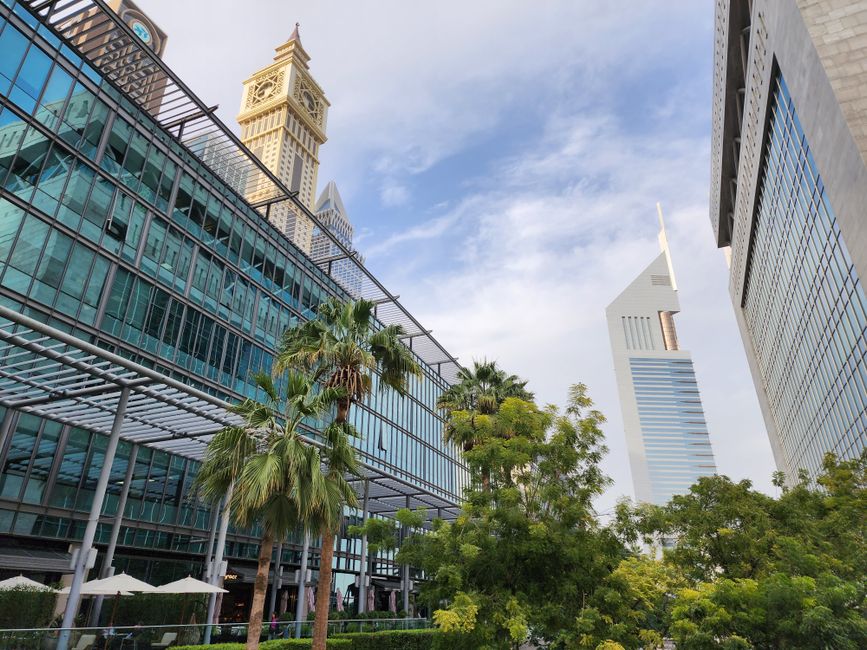
Dubai's employment landscape, long celebrated as a beacon of opportunity, is encountering significant turbulence in 2026. While the emirate maintains its position as a regional economic powerhouse, businesses across sectors—from finance in the Dubai International Financial Centre to hospitality along Sheikh Zayed Road—are navigating unprecedented challenges that threaten hiring momentum and profitability.
The most pressing concern is wage inflation. Salaries for mid-to-senior level professionals have climbed 12-15% year-on-year across key sectors, according to recruitment specialists monitoring the market. In DIFC alone, finance and legal roles command premium packages as firms compete for scarce talent. Meanwhile, cost-of-living pressures mean employees are demanding higher compensation just to maintain purchasing power, straining budgets for companies already operating on tighter margins.
Talent retention presents another critical headache. The traditional "Dubai model"—where professionals spent 5-10 years building careers before moving on—has compressed dramatically. High-performing employees now job-hop every 18-24 months, seeking the best packages. Corporate offices in Business Bay and Downtown are reporting turnover rates exceeding 25% annually, creating constant recruitment cycles and institutional knowledge drain.
The remote work revolution has also destabilized the hiring equation. With global companies now offering competitive roles from lower-cost jurisdictions, Dubai employers cannot solely rely on visa sponsorship and lifestyle incentives. A software engineer in Jumeirah may now compete for roles with candidates in Lisbon or Buenos Aires working for international firms at lower salaries.
Adding pressure, visa regulations remain complex. While the UAE has streamlined investor visas and introduced long-term resident permits, the process for traditional employment visas remains bureaucratic and time-consuming. This discourages smaller firms from expanding headcount, even when business warrants it.
Economic uncertainty in key trading partners has also dampened hiring appetite. With geopolitical tensions simmering across the Middle East and global growth forecasts softening, multinational corporations—a major employer base in Dubai—are adopting wait-and-see approaches on recruitment. Some firms in the trade and logistics sectors around Jebel Ali port have implemented hiring freezes or modest layoffs.
Yet there are bright spots. Healthcare, renewable energy, and technology sectors continue attracting investment and creating roles. The expanding logistics hub and ongoing infrastructure projects in areas like Expo City Dubai offer employment opportunities. Still, these gains are insufficient to offset headwinds elsewhere.
For job seekers and employers alike, 2026 marks a recalibration year—one requiring realism about compensation, flexibility on remote arrangements, and recognition that Dubai's employment magic requires continuous innovation.
This article was compiled by AI from the sources linked above and screened before publishing. See our editorial standards.
How does this story make you feel?
Spread the word
About this article
Published by The Daily Dubai
Daily brief
Free, in your inbox before 7am. Weekdays.
More in Business