What Dubai Residents and Visitors Need to Know About How Tourism Really Shapes Your City
As visitor numbers surge to record levels, understanding the economics behind the boom—and its impact on daily life—has never been more important.
As visitor numbers surge to record levels, understanding the economics behind the boom—and its impact on daily life—has never been more important.
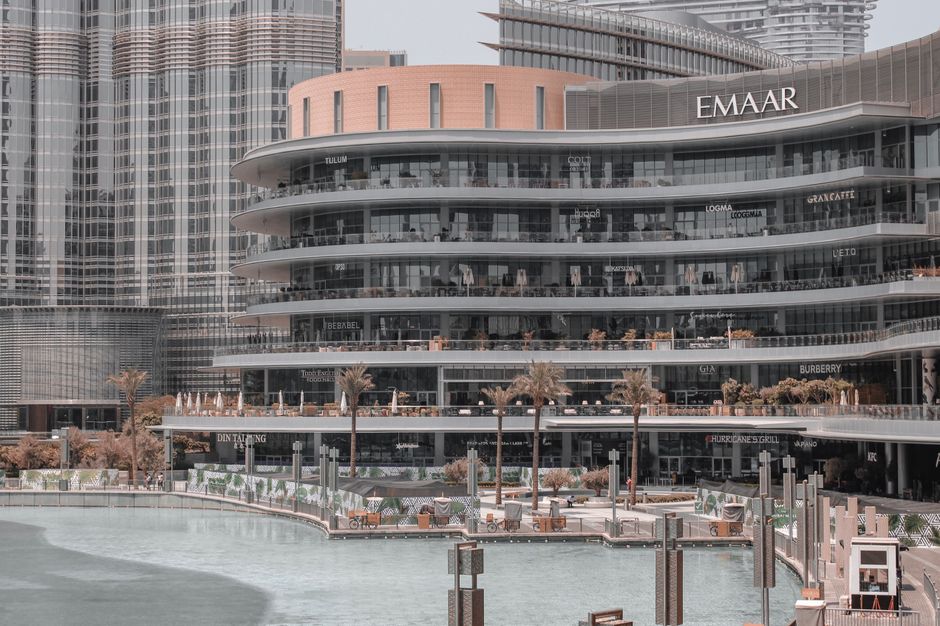
Dubai welcomed 16.73 million visitors last year, cementing its status as one of the world's most visited cities. For many residents, that headline figure feels abstract—until you're stuck in traffic on Sheikh Zayed Road during peak season, or watching restaurant prices climb in DIFC, or noticing your favourite coffee spot has been replaced by a hotel gift shop. Understanding the mechanics of the tourism economy isn't just academic; it directly affects your wallet, your commute, and your city's future.
The visitor economy generates approximately 11 per cent of Dubai's GDP and supports roughly one in five jobs across hospitality, retail, transport and services. When tourists spend money at the Burj Khalifa, along the Gold Souk in Deira, or in the malls along Al Wasl Road, that revenue cascades through the economy. But it also creates genuine pressures on infrastructure. Peak tourism seasons—November through March—consistently correlate with longer waits at supermarkets, fuller gyms, and packed public transport during evening hours. Beach clubs charge premium rates year-round partly because demand is predictable and international visitor spending power is substantial.
What's less visible is how tourism shapes property markets and neighbourhood character. Areas like Downtown Dubai and Business Bay have transformed into tourist corridors, with property investors banking on short-term rental yields through platforms that weren't imagined a decade ago. Meanwhile, more residential communities like Arabian Ranches or Dubai Silicon Oasis remain largely insulated from the tourism economy, though traffic patterns inevitably feel its effects.
For everyday residents, three things matter. First, tourism revenue funds public services and infrastructure that benefit you—from road maintenance to public transport expansion. The planned extensions to the metro network are, in part, tourism-dependent investment. Second, visitor-driven pricing is real. Hotels occupying prime real estate inflate surrounding service costs; expect to pay tourism-area premiums in DIFC restaurants or shops on The Walk at JBR. Third, seasonal fluctuations are worth planning around. Savvy residents book medical appointments, car maintenance, and government services during April to September, when capacity constraints ease.
The visitor economy isn't a separate phenomenon happening to tourists alone—it's woven into the fabric of daily living. Housing affordability, traffic patterns, service quality, and even the cultural character of your neighbourhood are influenced by how many visitors arrive each year and where they spend their time. Understanding these connections helps you make smarter decisions about where to live, work, and spend your own money in this remarkably dynamic city.
This article was compiled by AI from the sources linked above and screened before publishing. See our editorial standards.
How does this story make you feel?
Spread the word
About this article
Published by The Daily Dubai
Daily brief
Free, in your inbox before 7am. Weekdays.
More in Business


