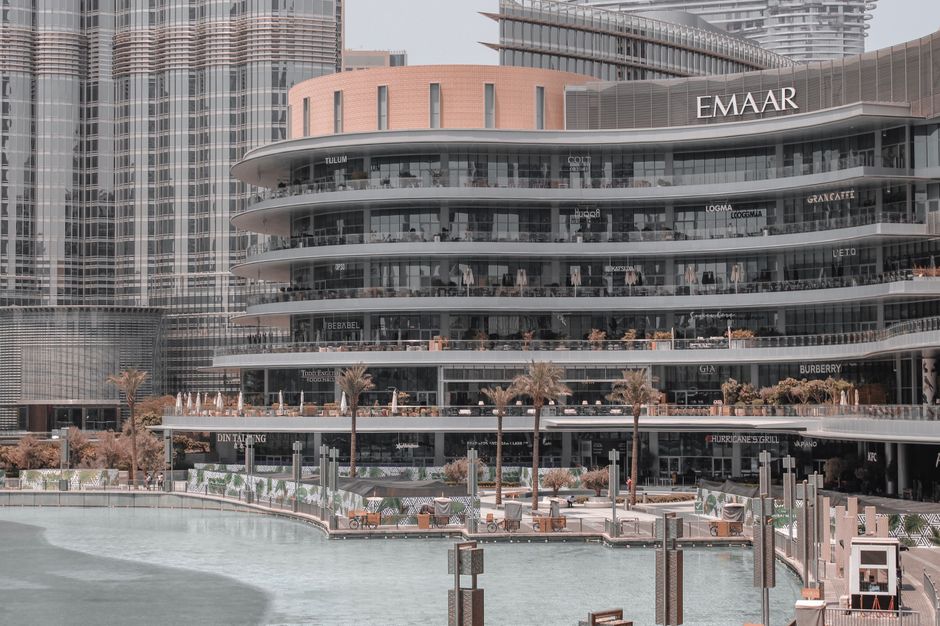
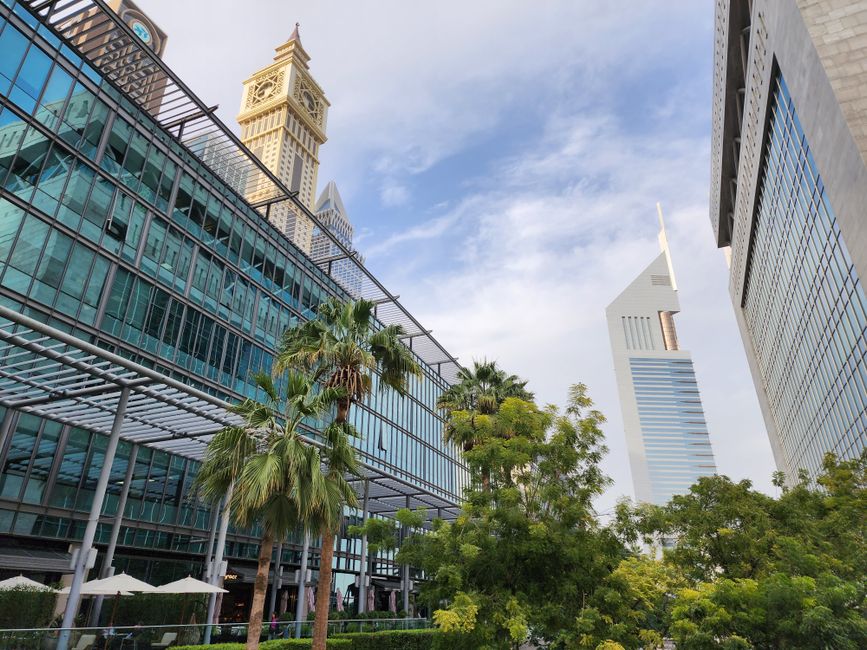
In a city where international restaurant chains vie for prime real estate along Sheikh Zayed Road and Downtown Dubai's glittering boulevards, a quieter revolution is unfolding in the neighbourhoods that locals actually call home. The casual dining sector—long dominated by franchises and celebrity chef concepts—is experiencing a subtle but significant shift as independent operators with deep roots in Dubai's diverse communities capture growing market share and customer loyalty.
The transformation is visible across emerging hubs like Al Quoz, where industrial warehouses have morphed into vibrant food destinations, and along Al Wasl Road, where a new generation of restaurant owners are prioritising authenticity over algorithmic appeal. Industry data from the Dubai Department of Tourism and Commerce Marketing indicates that independent and homegrown restaurant concepts grew by 18 per cent year-on-year through 2025, while same-store sales for established chains plateaued at roughly 3 per cent growth.
What's driving this shift? Rising operational costs—commercial rent in premium locations now averages 250–350 AED per square metre monthly—have forced entrepreneurs to reconsider strategy. Rather than chase high-footfall zones, the most successful operators are building neighbourhood anchors with razor-sharp operational efficiency and menu discipline. Several have pioneered hybrid models: compact kitchens with delivery-first infrastructure, reducing front-of-house overhead while capturing the surging cloud-kitchen demand that exploded post-2024.
The hospitality workforce challenge has also reshaped the sector. Labour costs represent approximately 28–32 per cent of operational expenses for mid-scale establishments, prompting smarter scheduling, cross-training protocols, and—increasingly—investment in kitchen automation. Operators who've successfully navigated this transition tend to invest heavily in staff retention, offering competitive benefits that reduce turnover and preserve institutional knowledge around recipes, service standards and guest relationships.
Quality-focused independent concepts in secondary locations—Satwa, Karama, even emerging pockets of Jumeirah—are now seeing average check sizes of 85–120 AED per cover, comparable to branded chains but with significantly higher customer retention rates. Social media has levelled the marketing playing field; word-of-mouth amplified through Instagram and TikTok has proven more cost-effective than traditional advertising for nimble, locally-rooted operators.
The lesson for investors and aspiring entrepreneurs is clear: in Dubai's maturing retail hospitality market, the winners aren't necessarily those with the biggest budgets or the most recognisable names. They're the operators who understand their neighbourhoods, obsess over operational excellence, and treat their teams as competitive advantages rather than line items. As the sector continues its evolution, that formula appears to be the one that endures.
This article was compiled by AI from the sources linked above and screened before publishing. See our editorial standards.