Reading the Tea Leaves: What Dubai's Economic Indicators Tell Small Business Owners
As capital flows shift and market sentiment fluctuates, entrepreneurs in Business Bay and beyond are learning to decode the signals that shape their fortunes.
As capital flows shift and market sentiment fluctuates, entrepreneurs in Business Bay and beyond are learning to decode the signals that shape their fortunes.
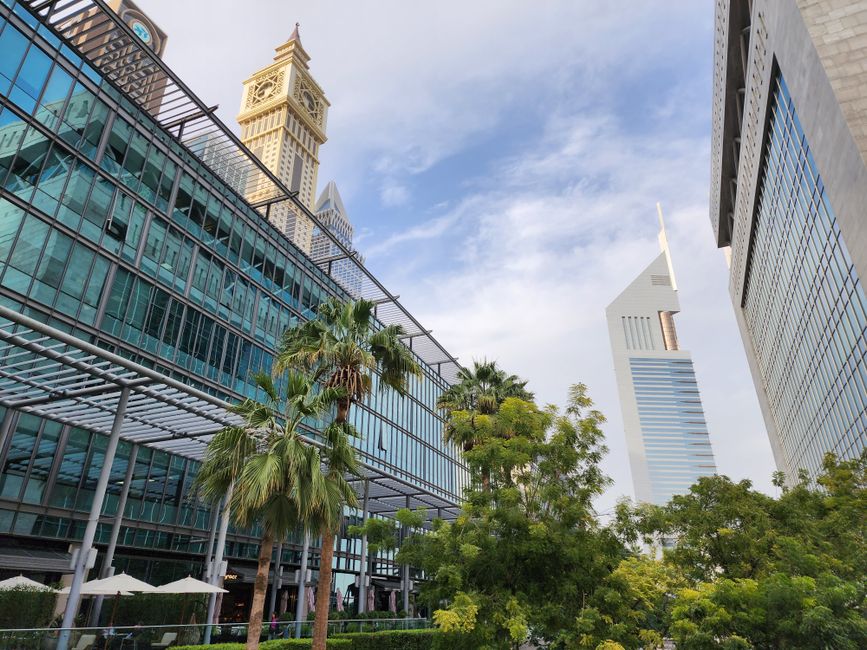
Walking through the corridors of DIFC (Dubai International Financial Centre), you'll find a curious mix of optimism and caution among the small business community. Interest rates, foreign direct investment flows, and consumer confidence indices—once the domain of spreadsheet analysts—have become essential reading for shop owners in Al Wasl, tech startups in Dubai Silicon Oasis, and F&B entrepreneurs scattered across Downtown.
The numbers tell a story worth understanding. The UAE's non-oil sector has expanded steadily, with services accounting for roughly 48 per cent of GDP growth in recent quarters. For small business owners, this translates into real opportunity. Yet the relationship between macroeconomic indicators and street-level success remains opaque to many entrepreneurs who lack formal financial training.
Consider the recent capital inflow patterns. Foreign investment into Dubai's SME ecosystem has remained resilient, though selective. The Dubai Chamber of Commerce recorded a modest uptick in business registrations through the first half of 2026, particularly in sectors like digital services, niche retail, and specialized consulting. However, average deal sizes have compressed—fewer mega-deals, more mid-sized commitments. This shift favours bootstrapped operators over those seeking large venture rounds.
What does this mean practically? A retail entrepreneur considering expansion from their flagship store on Jumeirah Road now faces different financing conditions than their counterpart would have encountered two years prior. Bank lending rates for small business loans have stabilised around 5.5 to 6.5 per cent annually—reasonable by global standards, but meaningful when calculating margins on inventory.
Exchange rate volatility merits attention too. The dirham's peg to the US dollar shields Dubai businesses from certain currency risks, yet it tightens margins for importers sourcing goods from euro-denominated suppliers. A modest strengthening of the greenback ripples through supply chains and affects purchasing power among international clients.
Perhaps most revealing is consumer confidence data. Recent indices suggest cautiously optimistic sentiment among Dubai's affluent residents, with discretionary spending on hospitality and personal services rebounding. Simultaneously, price-sensitivity persists among middle-income segments—good news for value-oriented retailers, challenging for premium-only positioning.
The lesson for ambitious entrepreneurs operating modest offices in Media City or retail outlets scattered across the Emirates: economic indicators aren't abstract. They're signposts. Understanding whether capital is flowing toward your sector, whether your currency exposure creates headwinds, and what consumer confidence portends for demand—these insights separate thriving small businesses from those merely treading water.
This article was compiled by AI from the sources linked above and screened before publishing. See our editorial standards.
How does this story make you feel?
Spread the word
About this article
Published by The Daily Dubai
Daily brief
Free, in your inbox before 7am. Weekdays.
More in Business