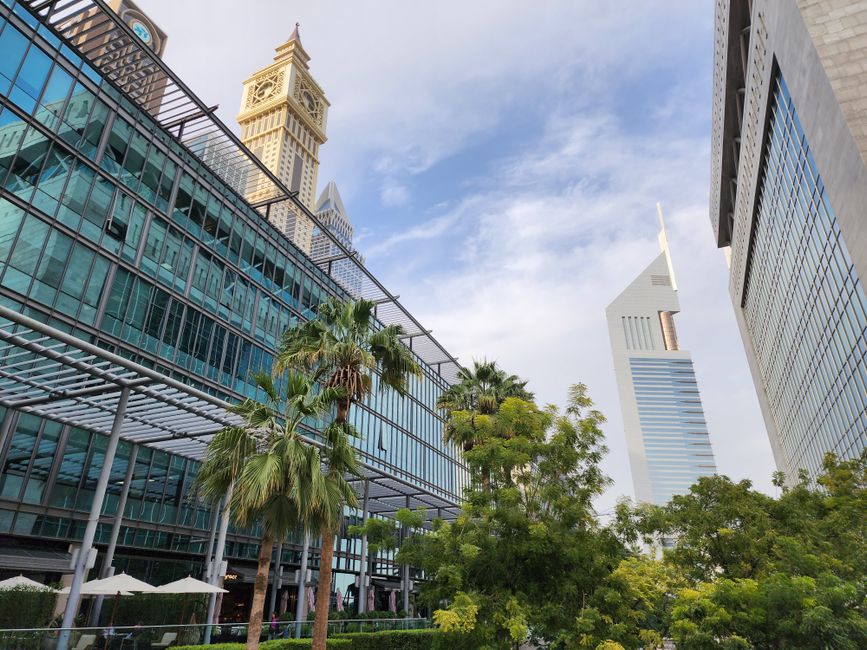
Walk through the Innovation Hub in Dubai Silicon Oasis on any weekday morning, and you'll spot the telltale signs of a sector hitting inflection point. Coffee-fuelled pitch meetings, whiteboard sketches of route-optimization algorithms, and conversations peppered with terms like 'micro-fulfilment' and 'autonomous last-mile'—this is where Dubai's next generation of logistics entrepreneurs are building companies that solve a problem retailers can no longer ignore.
The opportunity is stark. E-commerce in the UAE grew 23 per cent year-on-year through 2025, according to data from the Dubai Statistics Centre, yet traditional delivery networks struggle with the Old Town sprawl, the dispersed nature of residential communities across Jumeirah and Arabian Ranches, and the seasonal pressure of summer months when demand spikes unpredictably. For retailers operating from Business Bay to the Jebel Ali Free Zone, inefficiency isn't just an inconvenience—it's a margin killer.
Several entrepreneurs are already benefiting. A cluster of AI-powered routing startups, many bootstrapped from modest offices in Dubai Investment Park, have begun securing contracts with mid-market retailers. These firms use machine learning to predict delivery windows, optimize driver routes in real time, and reduce failed delivery attempts—a cost that hospitality and fashion e-commerce businesses say can eat 8 to 12 per cent of order value.
One emerging opportunity area: hyper-local warehousing. Rather than centralizing inventory in Jebel Ali, smaller merchants are renting compact storage spaces in residential clusters—think Deira, Bur Dubai, and Business Bay—positioning goods closer to customers. This model cuts delivery times from 48 hours to under 4 hours, a shift that startups are monetizing through software-as-a-service platforms that manage these distributed networks.
Venture capital has started flowing. The Dubai Angel Investor Network reported a 31 per cent increase in seed funding for logistics and supply-chain tech in 2025, with ticket sizes averaging between 500,000 and 2 million dirhams. Traditional players—3PL firms, logistics giants, even retail chains—are now actively acquiring or partnering with these scrappy startups rather than building in-house solutions.
What makes this moment different from previous tech booms in Dubai is the maturity of the pain point. This isn't speculative; businesses are hemorrhaging money daily. For entrepreneurs willing to dig into unsexy operational details and iterate ruthlessly with real clients, the window is open. The next 18 months will likely consolidate this field, which means first movers have a distinct advantage.
The best opportunities rarely announce themselves with fanfare. This one is hiding in plain sight: in every delayed delivery notification, every retailer scrambling to manage customer expectations, and every logistics manager pulling an all-nighter to optimize a spreadsheet that should have been optimized years ago.
This article was compiled by AI from the sources linked above and screened before publishing. See our editorial standards.