Dubai's tourism sector is experiencing a sharp recalibration as geopolitical instability in traditional source markets reshapes visitor patterns in ways that are rippling through hotels, restaurants and retail outlets across the emirate.
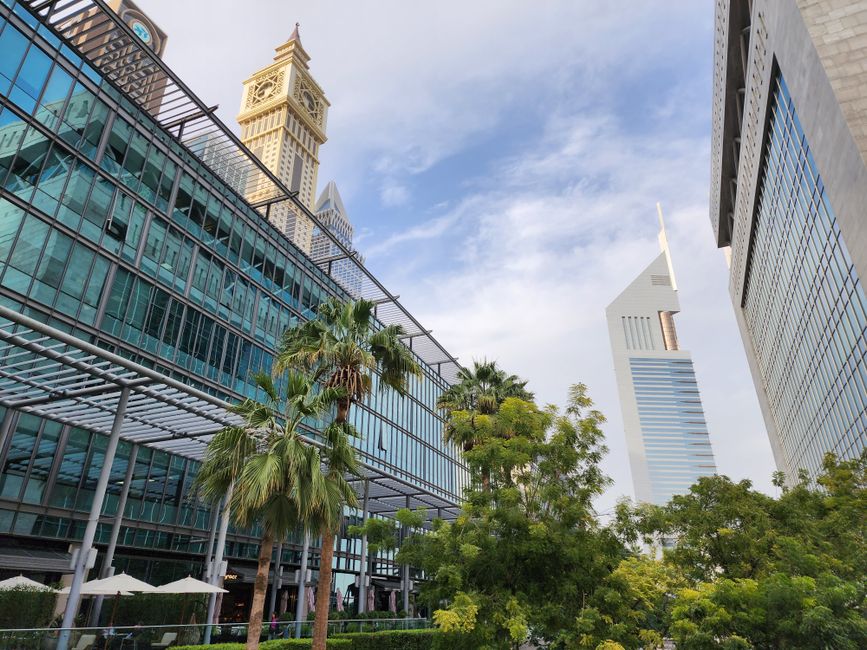
Travel advisories from Western nations, security concerns across the Middle East and ongoing tensions affecting air routes are forcing businesses along Sheikh Zayed Road and in Downtown Dubai to pivot their marketing efforts toward emerging markets and domestic tourism to maintain momentum.
Industry observers note that the current environment mirrors—though differs from—previous crises. Hotels in Business Bay and around the Dubai Mall, which typically draw 40% of their international guests from Europe and North America, are now aggressively targeting Indian, Chinese and Southeast Asian markets where economic confidence remains robust. Average occupancy rates across four and five-star properties remained steady at 82% in the first quarter of 2026, according to regional hospitality consultants, but the composition of guests has shifted markedly.
The implications extend far beyond hotel lobbies. Retailers across the Gold Souk and New Gold Souk have adjusted inventory toward preferences of Indian and Chinese buyers, while restaurants in Jumeirah and Marina have recalibrated menus and pricing strategies. High-end establishments report that while absolute visitor numbers remain resilient, per-capita spending patterns vary significantly by origin market, requiring careful margin management.
"The business model that worked for the last decade assumed steady flows from established markets," explains industry analysis from regional tourism bodies. "That assumption no longer holds." Premium dining venues report that American and European guests, who traditionally represented higher-spend customers, now represent a smaller proportion of their booking calendars—a dynamic forcing restaurants to reconsider their positioning strategies.
The federal government's recent push to diversify tourism revenue streams has gained urgency. Dubai's Department of Economy and Tourism has accelerated promotional campaigns in Asia-Pacific regions, while also intensifying focus on remote-work visas and longer-stay packages that appeal to digital nomads from less volatile markets.
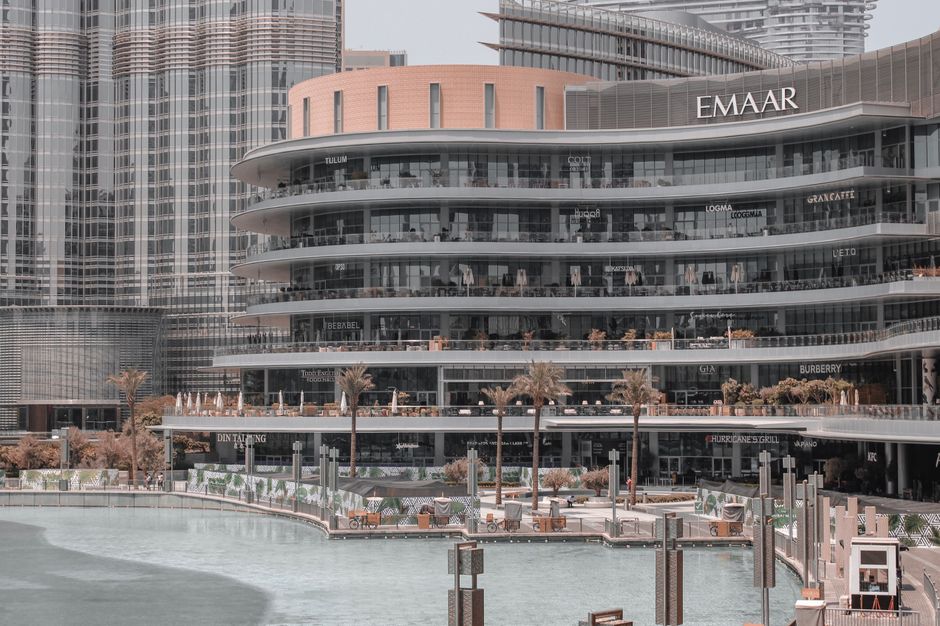
For retail, the shift is equally pronounced. Luxury boutiques in The Dubai Mall and along the Crescent precinct have shifted inventory and staffing to accommodate different purchasing patterns, while mid-market retailers are adapting promotional calendars to align with peak travel periods from alternative source markets.
The broader message is clear: Dubai's tourism economy, long built on assumptions of reliable flows from established Western markets, is being forced to demonstrate the adaptability that has defined its rise. Success will depend on how quickly businesses can execute these pivots while maintaining the service standards that built the sector's reputation.
This article was compiled by AI from the sources linked above and screened before publishing. See our editorial standards.