Decoding Dubai's Economic Signals: What Rising Investment Flows Mean for Your Wallet
As foreign capital surges into the emirate, understanding key indicators helps residents and investors navigate the cost-of-living equation.
As foreign capital surges into the emirate, understanding key indicators helps residents and investors navigate the cost-of-living equation.
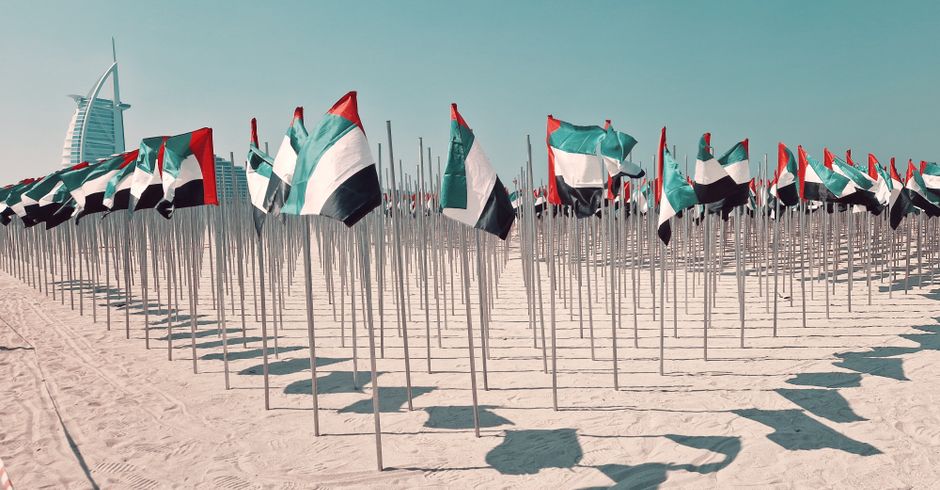
Dubai's economy is sending mixed signals, and savvy residents are learning to read them. While foreign direct investment into the emirate hit record levels in 2025, reaching $28 billion according to Dubai Chamber of Commerce, everyday expenses tell a different story for those living in areas like Downtown Dubai and Business Bay.
The paradox is instructive. Economic indicators—the data points that guide investment decisions—reveal why global capital keeps flowing into the emirate even as rents in prime locations climb. Office space in the Dubai International Financial Centre commands premium rates, with Class A offices averaging AED 250 per square foot annually. Meanwhile, residential property in Jumeirah and Emirates Hills continues attracting ultra-high-net-worth individuals, keeping those neighbourhoods stratospheric.
What matters more for average residents is the secondary market. Real estate transactions across Dubai Marina and Downtown Dubai show price appreciation of 7-9 percent year-on-year, according to property market data. But this investment confidence translates to higher costs. Grocery prices at Waitrose and Carrefour locations across the city have risen roughly 4-5 percent, while dining in Marina and DIFC districts runs 15-20 percent higher than peripheral areas.
The key indicator to watch is the Consumer Price Index. Dubai's CPI, while lower than global peers, has trended upward since 2024. Energy costs and food prices—imports the emirate depends on entirely—drive much of this movement. Expatriates comprising 88 percent of Dubai's population are acutely aware: a family breakfast in Downtown costs considerably more than identical fare in Deira or Al Barsha.
Investment flows reveal investor confidence in Dubai's diversification strategy. Tech startups in Dubai Silicon Oasis attracted $1.2 billion in funding last year. Tourism and hospitality investments remain robust, supporting hospitality sector employment but also inflating service-sector wages, which trickle into consumer costs.
Understanding these dynamics matters. When international investors bet on Dubai—whether through DIFC-listed securities or real estate—they're banking on economic resilience. That confidence is real. But it's not uniformly distributed across all cost categories or neighbourhoods.
Residents watching their budgets should monitor two signals: foreign investment inflows (positive for employment and economic stability) and domestic price indices (directly hitting household spending). The emirate remains an economic magnet, but the cost of living increasingly rewards those who understand where growth is actually occurring.
This article was compiled by AI from the sources linked above and screened before publishing. See our editorial standards.
How does this story make you feel?
Spread the word
About this article
Published by The Daily Dubai
Daily brief
Free, in your inbox before 7am. Weekdays.
More in Business


