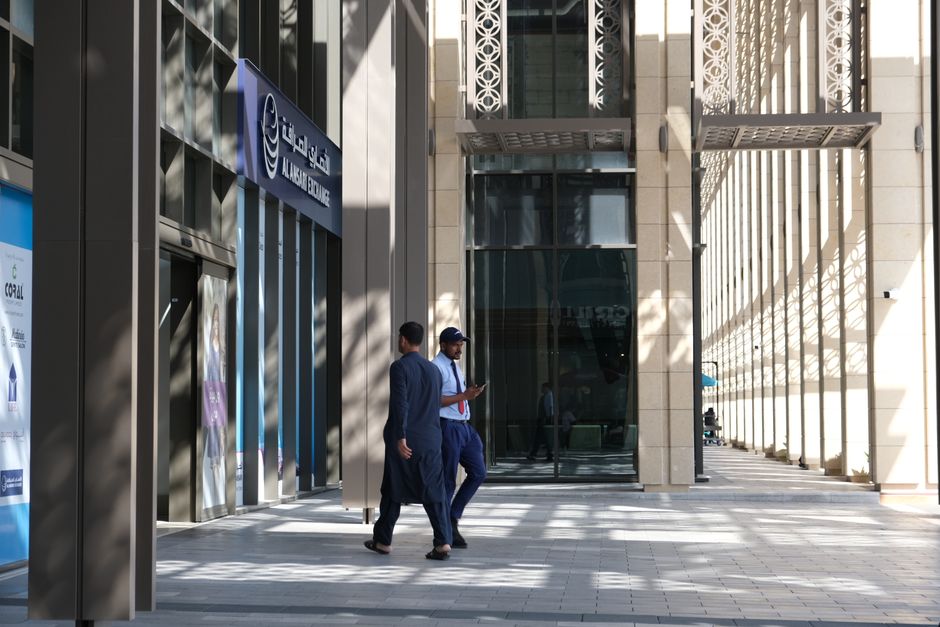
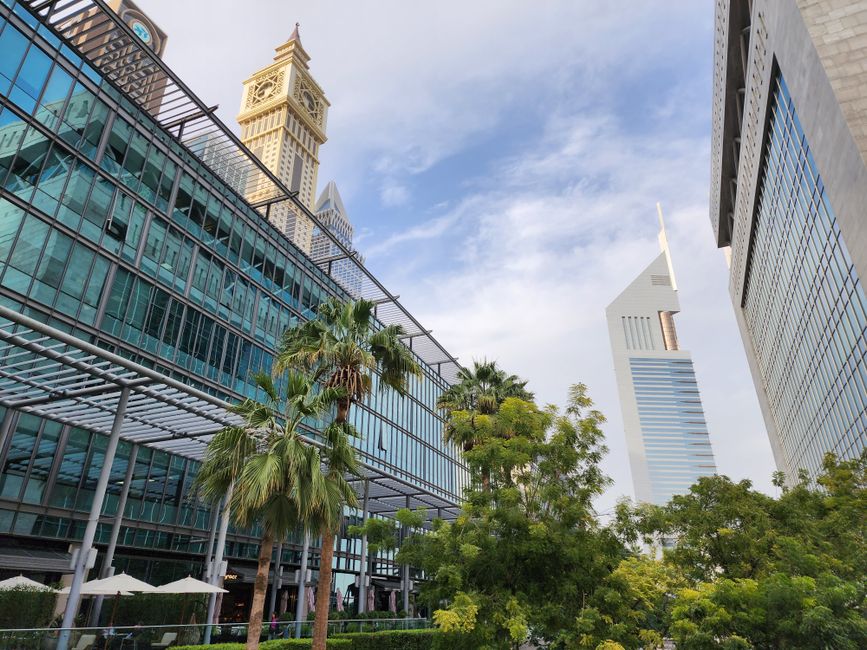
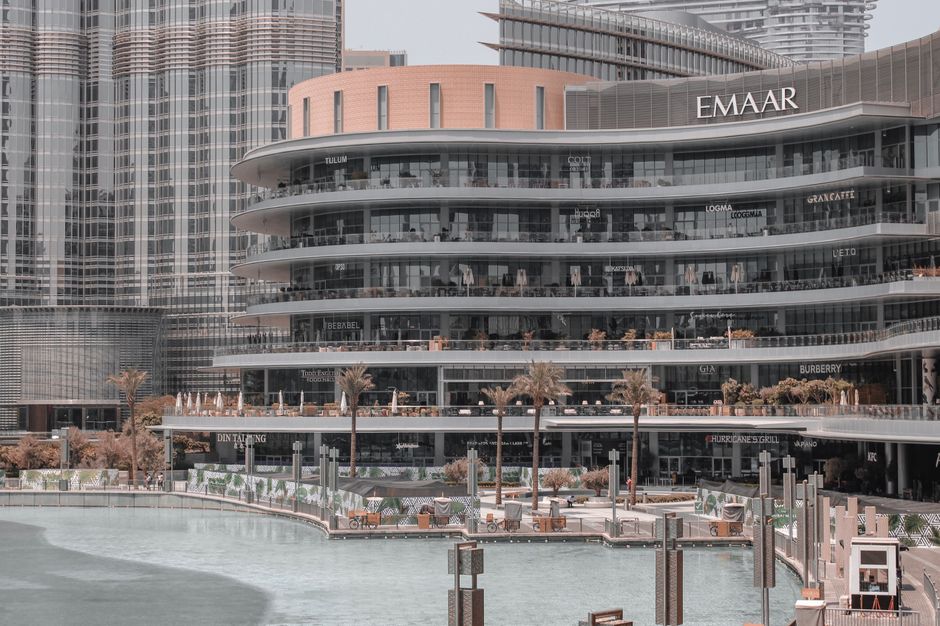
Walk down Al Wasl Road on any given Tuesday morning, and you'll encounter the quiet anxiety that has settled over Dubai's small business community. From family-run cafés in Jumeirah to retail outlets crammed into Business Bay's modest office complexes, entrepreneurs are confronting a cascade of headwinds that have made mid-2026 feel distinctly more precarious than the optimism that prevailed just eighteen months ago.
The cost-of-living squeeze is undeniable. Commercial rent in established neighbourhoods like Deira and Bur Dubai has climbed 12-15 per cent year-on-year, according to recent Dubai Chamber of Commerce surveys. A modest 800-square-foot retail unit that commanded AED 4,500 monthly in early 2025 now routinely fetches AED 5,200 or higher. For a bootstrapped entrepreneur operating on thin margins, that differential can mean the difference between profitability and red ink.
Energy costs have proven equally punishing. With summer cooling bills already a substantial line item in Dubai's budget-conscious establishments, the regional electricity tariffs—already among the Middle East's highest—have inched upward. Coupled with inflationary pressures on goods imported through Jebel Ali Port, procurement costs for inventory have become a persistent headache.
Perhaps most troubling is the credit environment. Bank lending to small and medium enterprises, while ostensibly available, has become more cautious. Interest rates on SME facilities have tightened, and approval timelines have lengthened. Several business owners operating from modest offices near the Dubai Chamber's headquarters report that securing working capital—once a relatively straightforward process—now requires significantly more documentation and personal guarantees.
The talent acquisition challenge compounds these difficulties. With expat workers increasingly selective about opportunities in what they perceive as a costlier market, small businesses in Karama and Al Baraha are struggling to fill positions without offering salary packages that further erode margins. Visa sponsorship costs, too, have become a friction point for operations running lean teams.
Yet the sector hasn't collapsed. Instead, a distinct bifurcation has emerged. Digital-native businesses, particularly those operating from co-working spaces like those dotting DIFC's periphery, are navigating the downturn more dexterously. Traditional bricks-and-mortar operations, however—restaurants, retail, service-based enterprises—are visibly tightening belts.
Industry observers suggest that 2026 may ultimately serve as a consolidation year, where only the most operationally disciplined survive, and where diversification into online channels becomes not aspirational but essential.
This article was compiled by AI from the sources linked above and screened before publishing. See our editorial standards.