Dubai's Small Business Dream Faces Tougher Headwinds in 2026
Rising costs, fierce competition and regulatory shifts are testing the resilience of entrepreneurs across the emirate's most dynamic neighbourhoods.
Rising costs, fierce competition and regulatory shifts are testing the resilience of entrepreneurs across the emirate's most dynamic neighbourhoods.
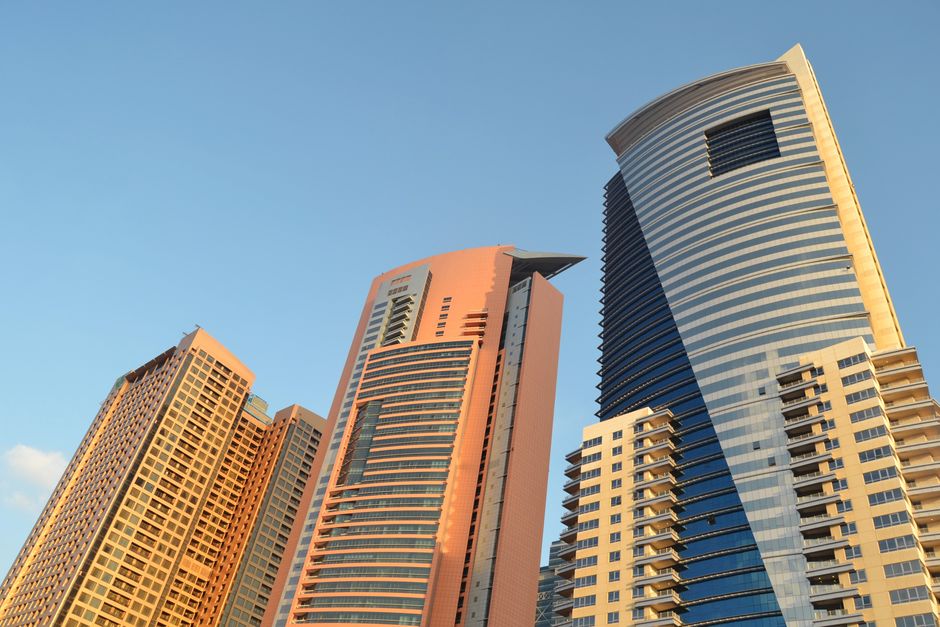
Walk along Al Wasl Road or through the bustling souks of Deira, and you'll see the backbone of Dubai's economy: thousands of small business owners juggling inventory, staff, and mounting pressures that make survival feel harder than ever before.
The challenges facing Dubai's SME sector in 2026 are mounting visibly. Commercial rents in prime areas like Dubai Marina and Downtown Dubai have surged again, with retail spaces now commanding 250–350 AED per square foot annually—pricing out operators who built their businesses during leaner years. For restaurant owners and retail entrepreneurs particularly, that translates to razor-thin margins or painful relocations to less accessible neighbourhoods.
Energy costs have also become a sharper thorn. With cooling demands punishing operational budgets and utility tariffs adjusted upward, small business owners report that fixed costs now consume 30–40 per cent of revenue—a jump from historical averages. A modest café in Business Bay or a boutique shop in Arabian Ranches faces utility bills that would have seemed unthinkable just three years ago.
Labour costs compound the squeeze. Salary inflation across the service and retail sectors means hiring skilled staff requires deeper pockets. Compulsory benefits like health insurance and end-of-service gratuities add another layer of complexity for operators managing tight budgets.
Competition from large-format retailers and online marketplaces has intensified too. Established giants operating from Jebel Ali Free Zone can undercut smaller players on pricing. Small business owners running family operations or independent brands along streets like Jumeirah Road or in Mall of the Emirates feel the pressure acutely.
The Dubai Chamber of Commerce estimates that roughly 14 per cent of registered SMEs faced closure or significant contraction during the first half of 2026—a concerning uptick. For entrepreneurs, navigating Ajman Free Zone regulations or securing trade finance has grown more complicated, with banks tightening lending criteria.
Yet the story isn't entirely grim. Some operators are pivoting smartly. Digital transformation—from e-commerce storefronts to adopting SPOT payments and inventory management systems—remains a lifeline. Entrepreneurs moving to emerging areas like Dubai South or embracing niche positioning are finding oxygen.
The reality: Dubai's small business sector is no longer a rising tide lifting all boats. Success now demands sharper operational discipline, strategic location choices, and an ability to differentiate in an increasingly crowded marketplace. For many, 2026 marks a watershed moment between adaptation and attrition.
This article was compiled by AI from the sources linked above and screened before publishing. See our editorial standards.
How does this story make you feel?
Spread the word
About this article
Published by The Daily Dubai
Daily brief
Free, in your inbox before 7am. Weekdays.
More in Business