Reading Dubai's Office Market: What Economic Signals Tell Us About Investment Flows
Shifts in commercial property demand across Business Bay and DIFC reveal how global capital is repositioning itself in the UAE's economic engine.
Shifts in commercial property demand across Business Bay and DIFC reveal how global capital is repositioning itself in the UAE's economic engine.
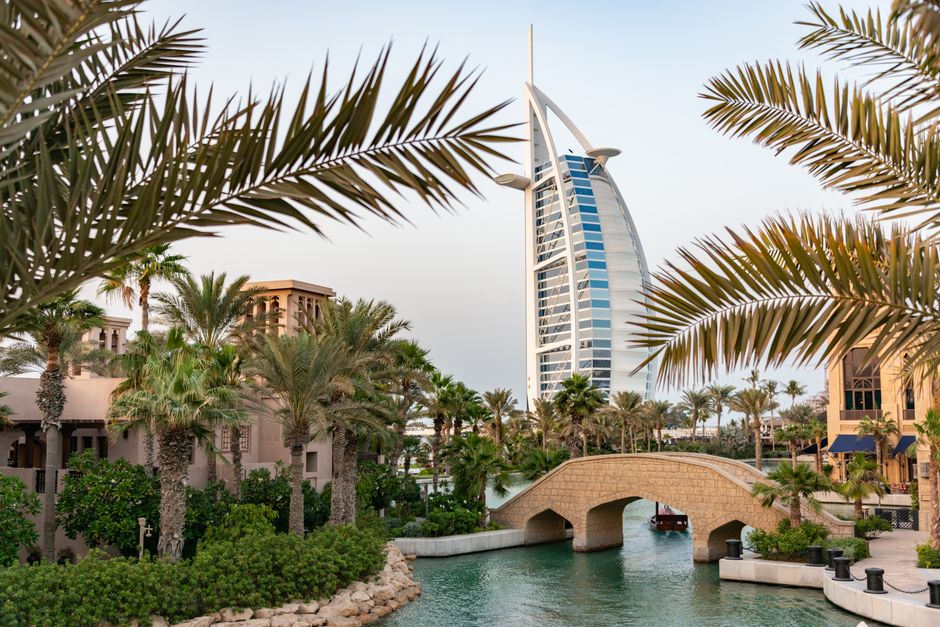
Dubai's commercial real estate market has long served as a barometer for broader economic sentiment, and recent activity in key districts offers telling clues about where international investors are placing their bets.
The office sector across Business Bay and the Dubai International Financial Centre tells a nuanced story. While headline vacancy rates have stabilised around 12-14 percent—a healthy range by international standards—the distribution of demand has shifted markedly. Prime Grade A space in DIFC commands rents between AED 250 and AED 350 per square metre annually, reflecting sustained appetite from financial services firms expanding regional operations. Meanwhile, secondary office clusters along Sheikh Zayed Road have seen rental softness, with rates settling at AED 150-180 per square metre as tenants increasingly prioritise proximity to regulatory hubs and client bases concentrated in the financial free zone.
This spatial reallocation signals something deeper: a recalibration of capital flows. Foreign direct investment into Dubai's service sectors—finance, technology, logistics—has remained resilient, with transaction volumes in commercial property reaching approximately AED 12 billion during the first half of 2026. However, the composition matters. Investment from GCC neighbours and Asian markets has intensified, particularly from Singapore and Hong Kong-based firms establishing Middle East headquarters. This investor behaviour suggests confidence in Dubai's regulatory stability, even as global economic conditions remain fluid.
Lease renewal cycles provide another economic indicator. A growing proportion of businesses are negotiating longer tenancy agreements—typically three to five years rather than the traditional two-year leases common pre-2024. This pattern typically reflects tenant confidence in revenue visibility, though it can also indicate a desire to lock in costs against inflationary pressures.
The emergence of flexible workspace operators across Jumeirah Lake Towers and Downtown Dubai represents a third data point. These operators have expanded footprints by roughly 22 percent year-on-year, capturing demand from startups and mid-market firms cautious about long-term commitments. Rising adoption suggests economic participants expect volatility rather than linear growth—a reasonable interpretation given geopolitical uncertainties affecting regional trade routes and investment sentiment.
Property consultancies tracking these metrics point to commercial yields ranging from 4.5 to 5.8 percent, depending on location and tenant profile. These returns remain competitive against regional alternatives, supporting continued inbound investment. Yet the modest spread between prime and secondary yields indicates investor appetite remains selective rather than broad-based.
For businesses and investors monitoring Dubai's economic trajectory, the office market's message is clear: growth continues, but capital is increasingly flowing toward risk-mitigating positions—regulated sectors, established districts, and longer-term stability plays. Understanding these signals helps explain broader investment decisions shaping Dubai's commercial landscape.
This article was compiled by AI from the sources linked above and screened before publishing. See our editorial standards.
How does this story make you feel?
Spread the word
About this article
Published by The Daily Dubai
Daily brief
Free, in your inbox before 7am. Weekdays.
More in Business


