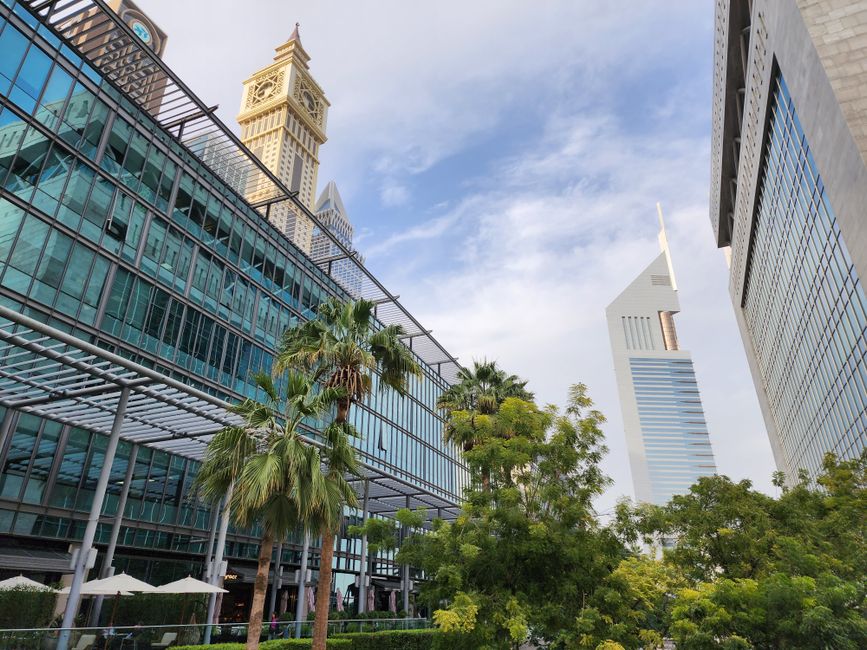
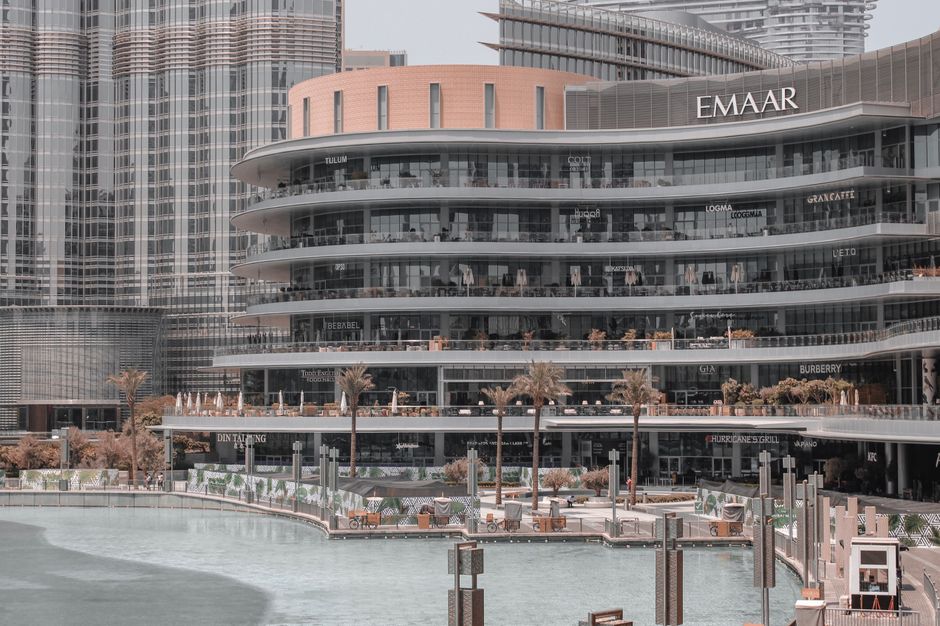
In the shadow of Dubai's glittering financial towers, a quieter revolution is taking shape. Near the Dubai International Financial Centre, a boutique recruitment and skills development firm has emerged as an unlikely leader in tackling one of the emirate's most pressing challenges: bridging the gap between employer demand and local workforce capability.
The venture, launched three years ago by a UAE national entrepreneur, operates from a modest office in the Downtown Dubai precinct and has grown to place over 800 professionals in roles across fintech, logistics, and hospitality sectors. What sets it apart in a crowded market isn't flashy marketing—it's a fundamentally different approach to how employment is brokered in the region.
Rather than simply matching CVs to job descriptions, the firm invests heavily in upskilling. They've partnered with training providers across the emirate to offer certifications in emerging fields, often subsidising courses for candidates from under-represented backgrounds. Last year alone, they facilitated training for more than 400 individuals, with a reported 74% placement rate within six months of course completion.
Employment data across Dubai tells a broader story. The UAE's labour market has tightened considerably over the past 18 months, with vacancy rates in key sectors—particularly technology and skilled trades—outpacing the available talent pool. According to recent economic reports, businesses in the emirate face an estimated 12,000 unfilled positions across professional services. Meanwhile, youth unemployment among UAE nationals sits at approximately 7.3%, suggesting a skills mismatch rather than a shortage of willing workers.
The entrepreneur's insight has been simple: local talent remains underutilised not due to lack of ambition, but because of barriers to entry and limited awareness of opportunity pathways. By positioning training as a foundational service rather than an afterthought, they've tapped into genuine demand from both employers seeking reliability and job seekers eager for career progression.
The model has attracted attention from government bodies, with mentions in recent chamber of commerce forums. Several larger recruitment firms along Sheikh Zayed Road have begun adopting similar hybrid approaches, signalling broader market recognition.
As Dubai's economy continues its pivot toward knowledge-intensive sectors, success stories like this underscore a crucial truth: the emirate's growth will increasingly depend not on importing talent, but on cultivating it. For a city that's long prided itself on rapid scaling, the challenge now is patience—investing in people before the jobs they'll fill are fully defined.
This article was compiled by AI from the sources linked above and screened before publishing. See our editorial standards.