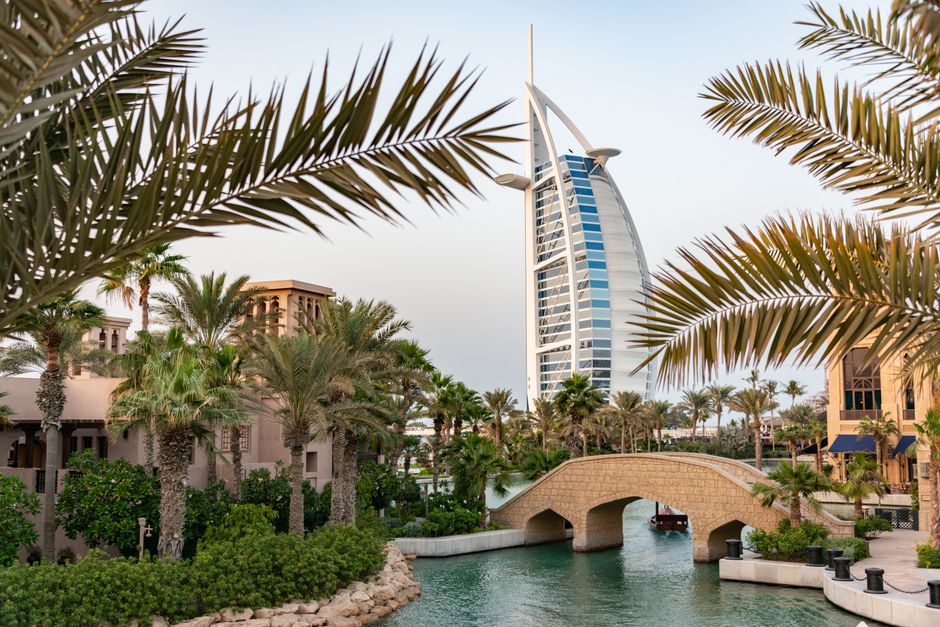
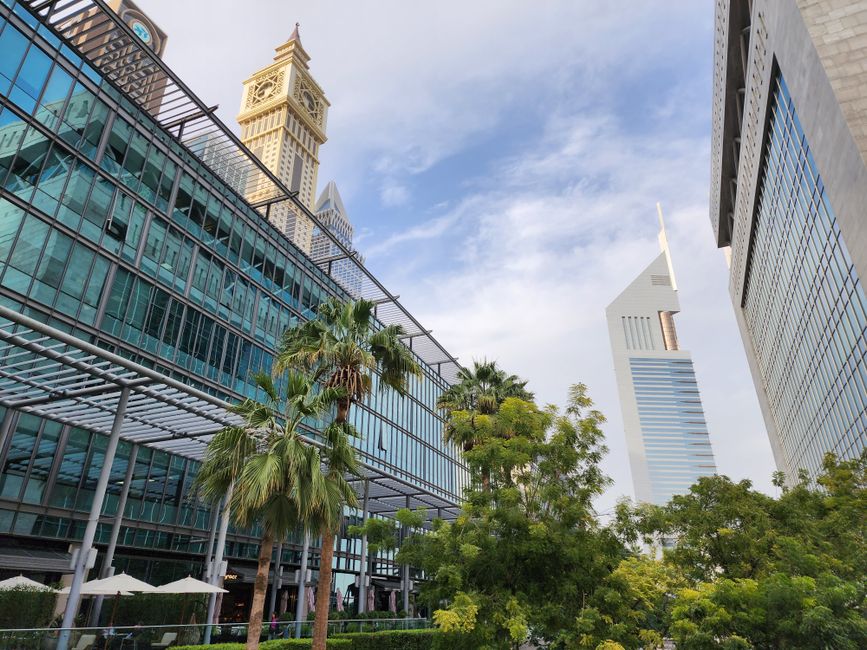
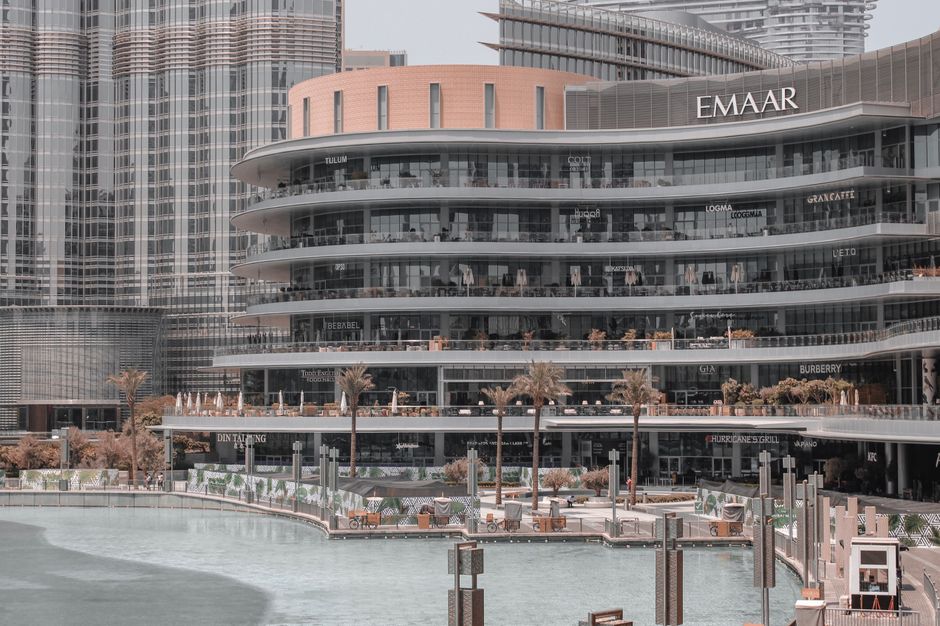
Walk down Sheikh Zayed Road on any given morning, and you'll see cranes dotting the skyline. But beneath the construction noise lies a more complex economic story—one written in foreign exchange reserves, real estate transaction volumes, and cost-of-living indices that tell us far more about Dubai's trajectory than headlines alone.
Dubai's economic health depends heavily on foreign direct investment (FDI), which has averaged around $14-16 billion annually over recent years. This capital flows primarily into real estate, financial services, and tourism infrastructure. When you see a new development rise near the Business Bay, it's typically backed by international money seeking stable returns. These investment flows act as a barometer: when they decline, it signals hesitation among global capital allocators. When they surge, it reflects confidence in Dubai's regulatory environment and economic fundamentals.
The housing market illustrates this dynamic clearly. A villa in Emirates Hills that sold for Dh4 million five years ago might now fetch Dh5.2 million, while apartment rentals in Downtown Dubai have climbed from Dh80,000 to Dh95,000 annually for a one-bedroom unit. These prices aren't random—they reflect investor appetite, visa policy changes, and global interest rate movements. When the Federal Reserve raises rates in the United States, international investors recalculate returns on Gulf properties, often pulling capital elsewhere.
Cost-of-living indices matter equally. The UAE Consumer Price Index rose approximately 1.5 to 2 percent year-over-year through 2025, driven largely by transport, housing, and food categories. A family's grocery bill at Carrefour in the Marina or Spinneys in Jumeirah reveals inflation pressures invisible in aggregate statistics. These household-level costs squeeze purchasing power, affecting consumer spending—which accounts for roughly 60 percent of UAE GDP.
What ties these indicators together? Confidence. When international money enters Dubai's financial centres at the DIFC, when emerging market funds allocate capital to listed companies on the Dubai Financial Market, and when residents commit to long-term property purchases, they're collectively expressing belief in future economic stability.
The challenge for policymakers lies in balancing growth with accessibility. Rising property values create wealth for existing owners but price out first-time buyers. Attracting FDI keeps the economy dynamic, yet excessive foreign ownership of real estate can distort markets.
For those trying to make financial decisions—whether investing in property or planning household budgets—these indicators provide essential context. Economic growth means opportunity. But understanding what's driving that growth, and at what cost to residents, separates informed decisions from wishful thinking.
This article was compiled by AI from the sources linked above and screened before publishing. See our editorial standards.