Dubai's Office Market at an Inflection Point: What Businesses Need to Know Right Now
Rising demand for premium spaces in emerging submarkets is reshaping where companies choose to plant their regional headquarters.
Rising demand for premium spaces in emerging submarkets is reshaping where companies choose to plant their regional headquarters.
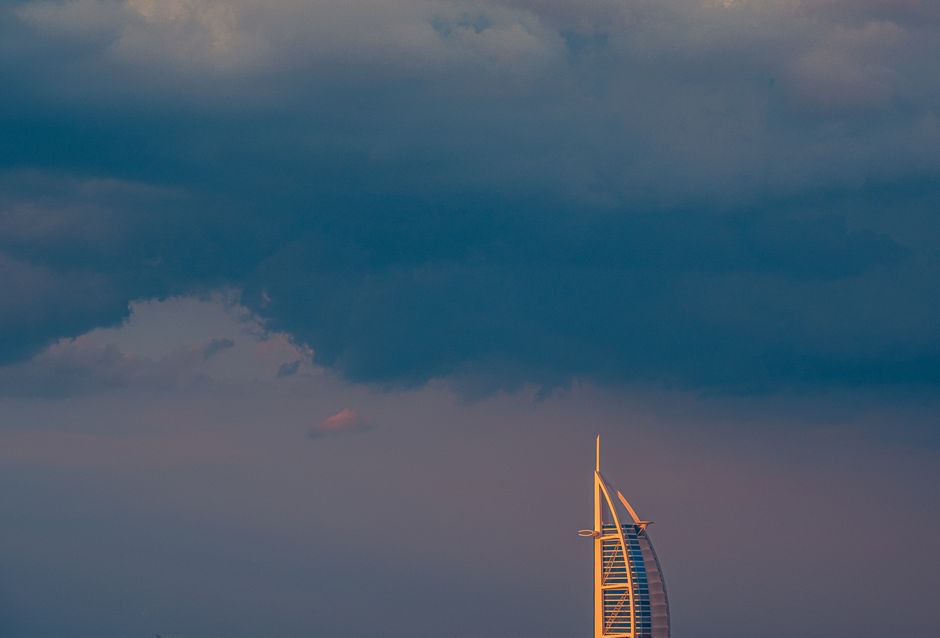
Dubai's commercial property market is undergoing a quiet but significant recalibration. After years of concentration around traditional hotspots like the DIFC and Downtown Dubai, tenant demand is now spilling into secondary submarkets, fundamentally changing where businesses should be investing their real estate budgets.
Data from the first half of 2026 reveals a market in transition. Grade-A office spaces in the DIFC remain the gold standard for financial services firms, with rents hovering around AED 250-280 per square metre annually. However, absorption rates have plateaued as companies face rental headwinds. Meanwhile, emerging corridors along Sheikh Zayed Road beyond the city centre and the Business Bay extension are capturing unexpected tenant interest, with comparable spaces leasing at 15-20% discounts.
The shift reflects broader economic realities. Mid-sized companies—particularly in technology, professional services, and consulting—are increasingly hesitant to absorb premium DIFC pricing. Instead, they're exploring alternatives in areas like Dubai South and the evolving spaces around Jebel Ali. Co-working operators and flexible workspace providers have capitalized on this trend, with occupancy rates in secondary locations reaching 85% compared to 72% in prime zones.
Sustainability credentials are now non-negotiable. Landlords investing in LEED certification and net-zero initiatives in properties across Al Baraka, International City, and the Emirates Hills commercial enclave are reporting faster leasing cycles and stronger tenant retention. This isn't cosmetic: multinational corporations with ESG commitments are actively screening properties against these benchmarks before negotiations begin.
The hybrid work model continues to reshape space utilization. Companies are downsizing footprints per employee—from roughly 10-12 square metres to 7-8 square metres—but upgrading amenities and collaboration zones. This trend has pushed demand for smaller, well-appointed suites in mixed-use developments rather than sprawling traditional office blocks.
For businesses evaluating their Dubai footprint, the practical takeaway is clear: the days of one-size-fits-all real estate strategy are over. Competitive positioning now requires a nuanced understanding of submarkets beyond established anchors. Companies should audit their actual space needs against hybrid work realities and evaluate whether secondary locations offer better value without compromising brand perception.
Market volatility in global financial services and geopolitical headwinds affecting regional trade have made landlords more flexible on lease terms. Tenants with decision-making power should leverage this window: longer rent-free periods, flexible lease lengths, and built-out specifications are increasingly negotiable before year-end. The window won't remain open indefinitely.
This article was compiled by AI and screened before publishing. See our editorial standards.
How does this story make you feel?
Spread the word
About this article
Published by The Daily Dubai
Daily brief
Free, in your inbox before 7am. Weekdays.
More in Business


