Dubai's Commercial Property Sector Faces Challenges and Headwinds in 2026
Rising vacancies and falling rents pose significant threats to the emirate's office market this year
Rising vacancies and falling rents pose significant threats to the emirate's office market this year
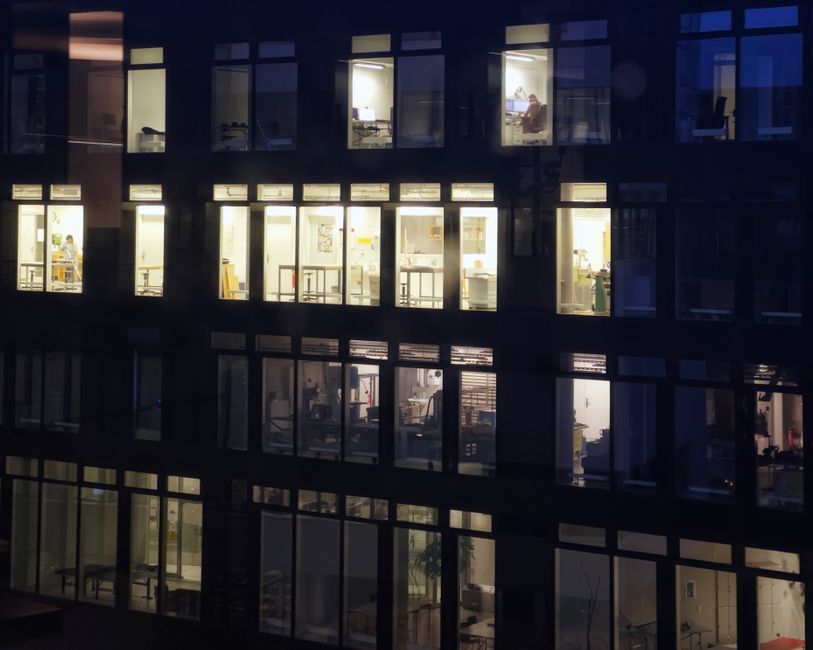
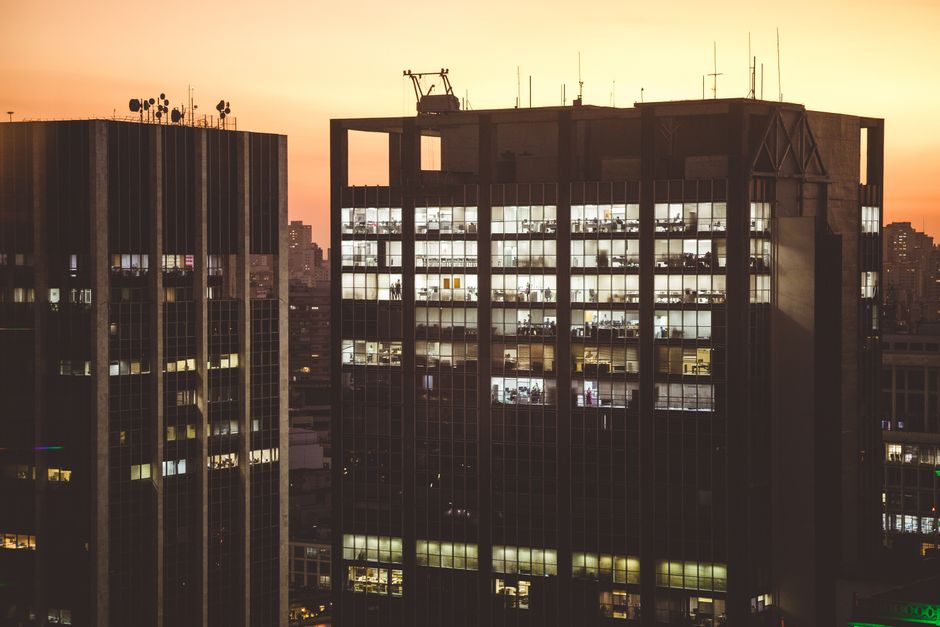
Dubai's commercial property sector is facing significant challenges and headwinds in 2026, with rising vacancies and falling rents posing major threats to the emirate's office market. The sector is a crucial component of Dubai's economy, with the real estate industry accounting for around 7% of the emirate's GDP.
The challenges facing Dubai's commercial property sector are particularly relevant now, given the emirate's ambitions to establish itself as a major global business hub. With the Dubai 2040 Urban Master Plan aiming to make the city a more sustainable and livable place, the commercial property sector will play a vital role in achieving this goal. However, with many businesses opting for flexible and remote work arrangements, the demand for traditional office spaces is decreasing, leaving many landlords and developers struggling to fill vacant units.
In areas such as Downtown Dubai and Dubai International Financial Centre (DIFC), the effects of the declining office market are already being felt. The DIFC, which is home to many major financial institutions, including Goldman Sachs and Morgan Stanley, has seen a significant increase in vacant office space over the past year. Similarly, the Dubai World Trade Centre, which hosts many major conferences and exhibitions, including the annual Gitex technology show, is also feeling the pinch. The Dubai Chamber of Commerce and Industry, which is located on Baniyas Road, has reported a decline in demand for office space from its members.
According to data from Knight Frank, the average rent for office space in Dubai fell by 5% in the first quarter of 2026, to AED 120 per square foot. This decline is expected to continue, with many analysts predicting that rents could fall by as much as 10% by the end of the year. The vacancy rate for office space in Dubai is currently around 15%, with some areas, such as Jumeirah Lakes Towers, experiencing vacancy rates as high as 25%. The Dubai Statistics Centre has reported that the total stock of office space in Dubai increased by 10% in 2025, to 8.5 million square meters, putting further downward pressure on rents.
Looking ahead, it is clear that the commercial property sector in Dubai will need to adapt to the changing needs of businesses and tenants. This may involve a shift towards more flexible and sustainable office spaces, as well as a greater focus on amenities and services that support the wellbeing and productivity of occupants. For example, the Dubai Future District Fund, which was launched in 2020, aims to support the development of innovative and sustainable projects in the emirate, including those related to the commercial property sector. By embracing these changes and challenges, Dubai's commercial property sector can continue to thrive and support the emirate's economic growth and development.
How does this story make you feel?
Spread the word
About this article
Published by The Daily Dubai
Daily brief
Free, in your inbox before 7am. Weekdays.
More in Business