finance
Dubai Business Events Face Headwinds From Global Crises
Recent international crises ripple through Dubai’s corporate networking and industry gatherings, prompting local stakeholders to reassess opportunities amid uncertainty.
How we reported this
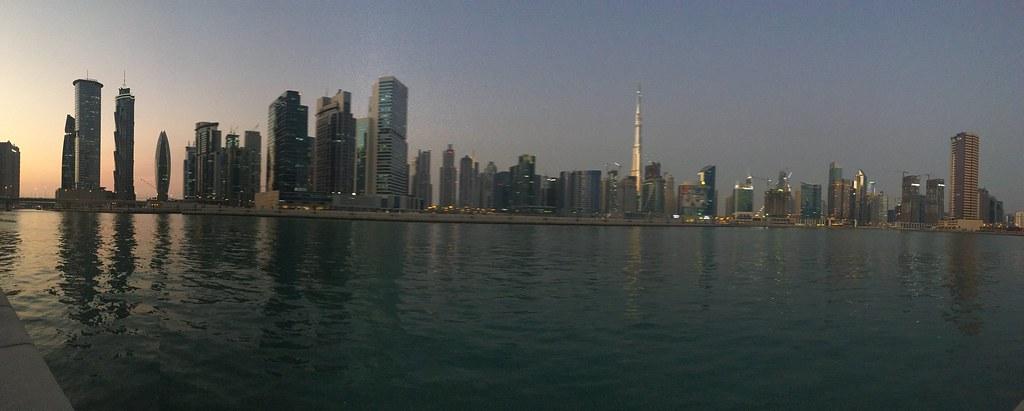
Dubai’s bustling business events scene is feeling the strain as escalating global tensions-highlighted by renewed military exchanges in the Strait of Hormuz and ongoing international crises-begin to weigh heavily on corporate confidence and participation. Local organisers and businesses reliant on international partnerships are recalibrating plans amid a volatile geopolitical backdrop.
Why Global Context Matters to Dubai’s Business Community
With Dubai positioning itself as a pivotal hub connecting East and West, disruptions along key global trade routes such as the Strait of Hormuz have particular resonance. The recent exchanges of strikes between the United States and Iran, reported live by the New York Times on July 12, underscore the fragility of regional stability. These developments reverberate beyond military and diplomatic circles, unsettling energy markets and shipping logistics that Dubai-based importers, exporters, and event organisers depend upon.
The uncertainty around the Strait of Hormuz-a vital chokepoint through which a significant proportion of the world’s oil supply passes-translates into caution for companies planning international conferences or business mixers in the city. U.S. military assurances that the strait remains open, as reported by the BBC, offer some reassurance, but the repeated clashes add layers of risk to operational and investment decisions made by Dubai’s business sectors.
Local Impact: Events, Venues, and Organisers Respond
Dubai’s leading venues, including the Dubai World Trade Centre, traditionally busy with international trade shows and corporate summits, report a palpable slowdown in booking inquiries from regions directly affected by the unrest. Event agencies and chambers of commerce in Dubai are closely monitoring unfolding events to adjust the timing and scale of planned business forums. The uncertainty impacts not only the scale of attendance but also the willingness of foreign delegates to commit to travel, particularly those from the Middle East and Western countries involved in the tensions.
Business leaders and organisers are focusing on diversifying event formats, emphasising hybrid meetings with virtual participation options to mitigate travel concerns. This shift acknowledges the growing need for agility in response to global instability, protecting local business continuity while maintaining Dubai’s role as a strategic meeting place.
Although exact statistics on booking cancellations or modifications in July are not publicly available, the qualitative feedback from event planners and venue managers points to increased caution. Demand is evolving with a preference for shorter, more flexible gatherings and enhanced risk assessments prior to finalising international engagements.
Economic sectors intertwined with global supply chains-such as energy trading, logistics, and regional finance-are carefully evaluating potential exposures. The intertwined nature of global politics and local business events underscores the delicate balancing act Dubai faces in sustaining its reputation as a reliable business nexus amid shifting global relations.
Looking ahead, businesses engaged in Dubai’s events sector are advised to maintain flexible contracts and invest further in digital infrastructure to support hybrid event models. Staying informed of geopolitical developments and preparing contingency plans will be essential steps for companies and organisers navigating the months ahead, ensuring Dubai remains resilient and adaptive as it confronts international uncertainties affecting its business ecosystem.
This article is general information only and is not personal financial or investment advice. Consider your own circumstances and seek licensed professional advice before making financial decisions.