finance
Dubai Commercial Property Market Surges: Early Investors Capitalize on Growing Demand
As global uncertainties affect regional trade, Dubai's commercial property sector shows growing demand, benefiting select investors and developers.
How we reported this
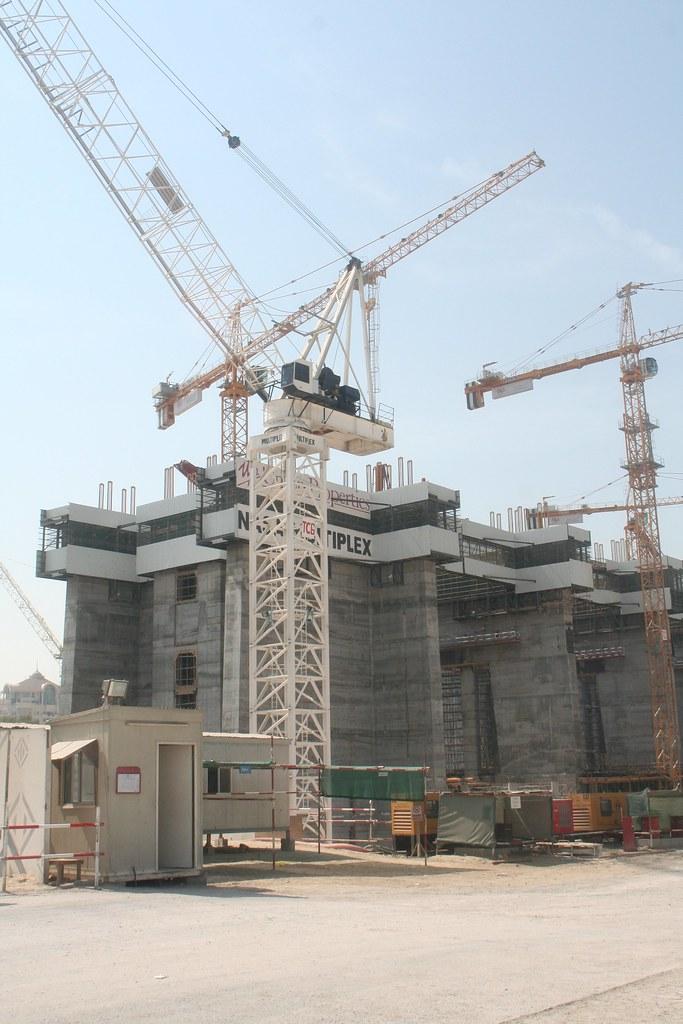
Dubai's commercial real estate market is witnessing renewed interest from investors and businesses alike, pointing to emerging opportunities despite geopolitical challenges affecting regional trade routes. Although no recent official statistics are available, industry observers note increased activity in office and retail space leasing, particularly in established hubs.
Why Dubai’s Commercial Development Gains Attention Now
Recent geopolitical tensions in the Gulf, especially persistent conflict in the Strait of Hormuz region, have increased the strategic significance of Dubai’s position as a secure and accessible business centre. The city’s comprehensive infrastructure and free trade zones offer resilience and ease of access, drawing companies reassessing their regional operations amid uncertain supply chains.
Furthermore, Dubai’s continued diversification away from oil dependency and investments into technology, trade, and tourism have buttressed demand for flexible commercial spaces. This positions Dubai as a preferred destination for firms looking to hedge against regional instability and global economic volatility.
Where Opportunities Are Taking Shape
Key areas such as Dubai International Financial Centre (DIFC), Business Bay, and Dubai Silicon Oasis are seeing increased leasing and development activity. Established as strategic commercial nodes, these districts benefit from proximity to transport links including Dubai Metro and the city’s main highways. Complementing this, Dubai’s multi-billion-dirham projects in urban planning and smart city initiatives are creating long-term growth potential for commercial developers and tenants.
Developers with pre-existing assets in these zones reportedly find themselves more attractive to investors seeking stable income streams. Retail outlets aligning with evolving consumer trends also appear to benefit from Dubai’s robust tourism sector, which remains strong despite regional upheavals.
While precise market data for 2026 is not yet published, qualitative reports highlight flexible lease agreements and revised rental rates adjusting to tenant needs, suggesting a market adapting to demand without significant oversupply.
Looking ahead, businesses and investors eyeing Dubai's commercial property should monitor how ongoing security concerns influence trade flows and consider strategic locations within the city supported by government-led initiatives. Keeping a close watch on emerging business districts will be critical for leveraging growth, as developers and tenants who adapt earliest have already started to capture gains in this evolving landscape.
This article is general information only and is not personal financial or investment advice. Consider your own circumstances and seek licensed professional advice before making financial decisions.