From Margins to Mainstream: How Emirati Youth are Reclaiming Dubai's Heritage
A grassroots movement of young Emiratis is transforming how the city engages with its pre-oil past, turning forgotten neighbourhoods into cultural laboratories.
A grassroots movement of young Emiratis is transforming how the city engages with its pre-oil past, turning forgotten neighbourhoods into cultural laboratories.
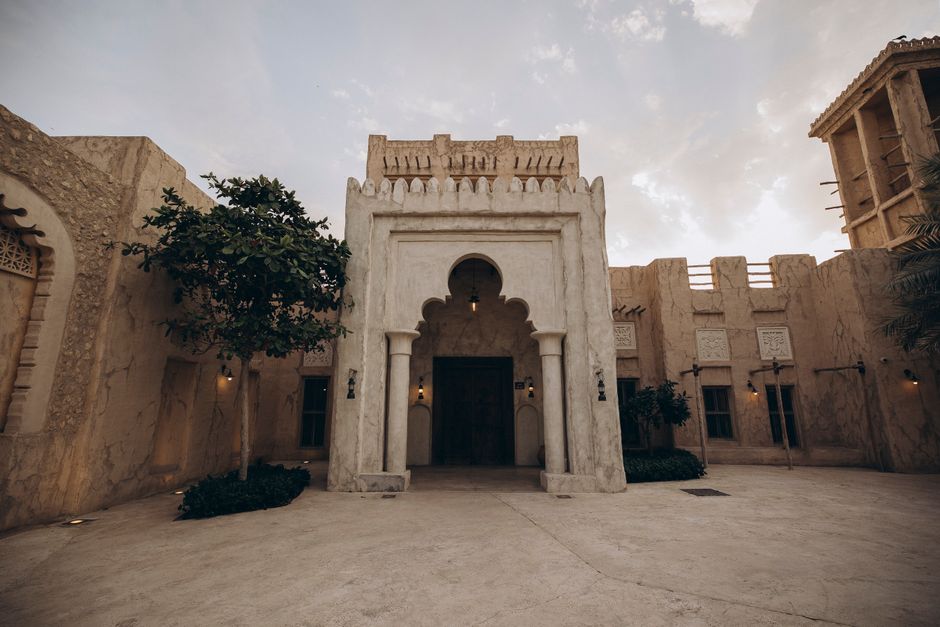
Walk through Al Fahidi Historical District on any Friday evening and you'll encounter something that would have seemed unlikely a decade ago: queues of Emiratis in their twenties and thirties waiting to enter heritage galleries, attending traditional music workshops, and debating the architectural significance of wind towers over cardamom coffee.
This shift reflects a broader cultural reclamation happening across Dubai, driven not by government initiatives alone, but by a determined community of young Emiratis who view their heritage not as museum pieces, but as living identity markers in a city often criticised for prioritising the futuristic over the foundational.
Organisations like the Emirates Heritage Club, which has seen membership surge 340 per cent since 2022, and independent collectives operating from converted warehouses in Satwa, are at the heart of this movement. These spaces have become incubators for cultural conversation—hosting everything from Emirati oral history documentation projects to exhibitions examining how neighbourhoods like Deira and Bur Dubai functioned before rapid urbanisation.
"There's a hunger to understand where we come from," explains one emerging curator based in the Cultural Village Foundation precinct, noting that attendance at heritage-focused events has grown substantially, with some workshops charging modest fees (typically 50-150 AED) yet regularly reaching capacity.
The movement extends beyond traditional venues. Social media collectives with names referencing pearl diving and desert navigation have amassed followings in the hundreds of thousands, creating digital archives of family photographs, oral recordings, and architectural documentation. Last year, one such project crowdsourced over 8,000 images of pre-1980s Dubai from community members.
What distinguishes this wave from earlier heritage initiatives is its grassroots character and critical lens. Young Emiratis aren't simply celebrating heritage; they're interrogating it—examining gender roles in traditional society, documenting stories of migrant workers embedded in Dubai's pearl-diving economy, and asking uncomfortable questions about how rapid development has erased geographical and cultural markers.
Local universities have responded, with degree programmes in heritage studies and cultural preservation seeing increased enrolment. Meanwhile, the real estate sector has begun recognising market value in heritage narratives, with property developments in areas like Al Quoz incorporating cultural programming alongside residential and commercial spaces.
This reclamation represents something profound: a generation asserting that authentic identity and forward momentum aren't mutually exclusive, and that understanding Dubai's foundation stones—literal and metaphorical—strengthens rather than constrains its future.
This article was compiled by AI from the sources linked above and screened before publishing. See our editorial standards.
How does this story make you feel?
Spread the word
About this article
Published by The Daily Dubai
Daily brief
Free, in your inbox before 7am. Weekdays.
More in culture