From Underground to Iconic: How Dubai's Street Art Scene Found Its Voice
What began as clandestine murals in forgotten corners has evolved into a celebrated cultural force reshaping how the city expresses its creative identity.
What began as clandestine murals in forgotten corners has evolved into a celebrated cultural force reshaping how the city expresses its creative identity.
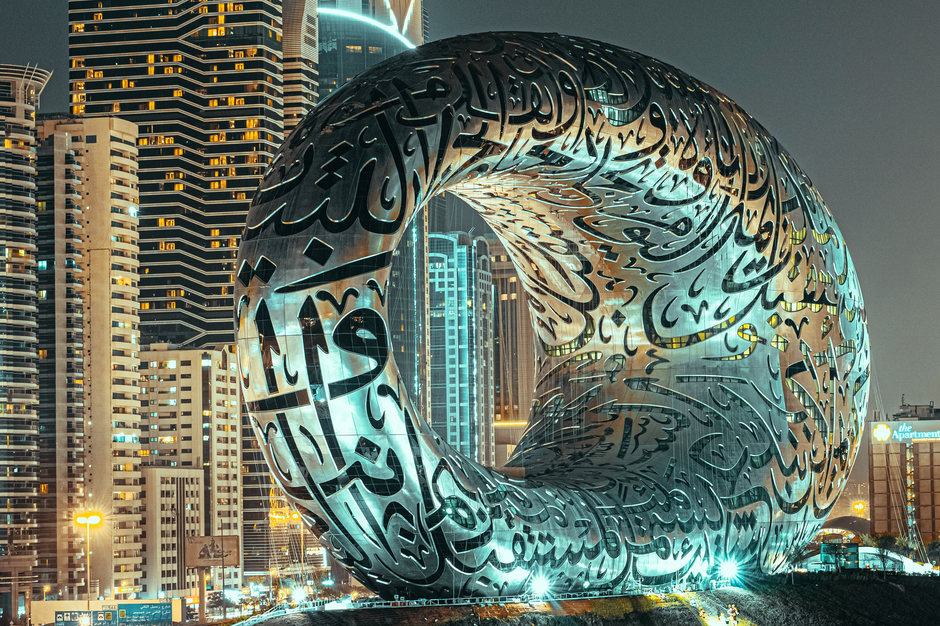
A decade ago, street art in Dubai existed in the shadows. Artists worked under cover of darkness on Al Wasl Road's industrial walls, risking fines for unauthorised murals in a city known for its polished perfection. Today, those same streets host commissioned installations worth thousands of dirhams, drawing international artists and cementing the emirate's position as a regional creative hub.
The transformation wasn't spontaneous. In 2013, the arrival of the first Dubai Street Museum project marked an inflection point. What had been fringe activity began receiving institutional validation. The turning moment came when property developers and the municipality recognised street art's commercial and cultural value—not as vandalism, but as urban vitality.
Alserkal Avenue in Al Quoz emerged as ground zero for this cultural shift. Once an overlooked industrial district, the neighbourhood attracted galleries, studios, and street artists seeking affordable studio space. Today, the 800-metre stretch hosts over 60 creative enterprises, from established galleries like Carbon12 and Ayyam to independent artist collectives. Friday night crowds now rival Dubai's more traditional cultural venues, with visitors spending AED 150-500 on food, drinks, and art purchases during evening gallery walks.
The regulatory landscape evolved alongside the enthusiasm. By 2019, Dubai's municipality had established clear guidelines for legal murals, creating designated zones and licensing systems. Areas like the Dubai Marina's pedestrian underpasses, Jebel Ali's warehouse district, and stretches of Sheikh Zayed Road now bear the unmistakable signatures of local and international street artists—legally sanctioned, culturally celebrated.
Contemporary artist initiatives have professionalised the scene further. The Dubai Street Art Week, launching in 2021, brought global attention to local talent while establishing mentorship programmes for emerging Emirati and expatriate creatives. Artist collectives like the XVA Gallery collective began documenting the scene's history, preserving its evolution through archives and exhibitions.
Today's street art landscape reflects Dubai's broader creative maturation. Gallery prices have risen—original works from established street artists now command AED 3,000-15,000—yet the democratic spirit persists. Neighbourhood mural projects remain free, accessible, and community-driven. Satirical political art, vibrant abstract compositions, and cultural commentary adorn walls from Karama to Downtown, speaking to a city increasingly comfortable with artistic expression.
The journey from clandestine night-time creations to celebrated urban installations mirrors Dubai's own reinvention: a city learning that true cosmopolitanism requires embracing creative voices, even—especially—when they challenge conventional aesthetics. Street art in Dubai has matured from rebellion into identity.
This article was compiled by AI from the sources linked above and screened before publishing. See our editorial standards.
How does this story make you feel?
Spread the word
About this article
Published by The Daily Dubai
Daily brief
Free, in your inbox before 7am. Weekdays.
More in culture