From Pearling Posts to Global Stage: How Dubai's Cultural Scene Evolved from Heritage Markets to World-Class Venues
A journey through five decades reveals how a trading port transformed its identity while preserving the threads that define its soul.
A journey through five decades reveals how a trading port transformed its identity while preserving the threads that define its soul.
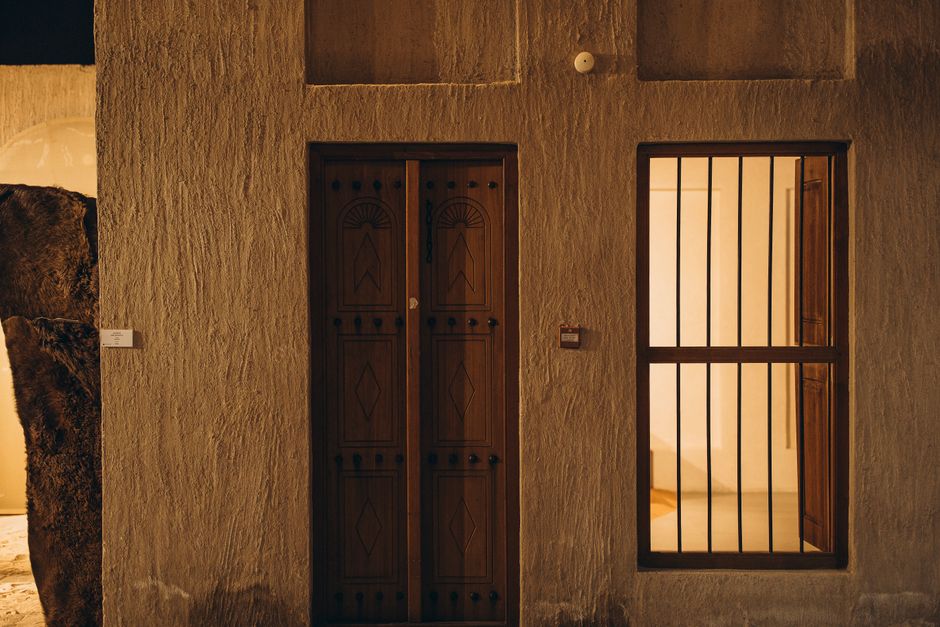
Walk through the wooden corridors of the Al Fahidi Historical District today, and you're treading the same paths where pearl merchants once haggled over their wares. Yet this neighbourhood—Dubai's oldest—tells a more complex story than nostalgia alone. It's a living archive of how a city built on commerce learned to celebrate culture without erasing its past.
The transformation began earnestly in the 1990s. While Dubai's skyline erupted upward, cultural custodians quietly restored the wind-tower houses of Al Fahidi, converting them into galleries, museums, and creative spaces. The Sheikh Mohammed Centre for Cultural Understanding opened in 1998, offering visitors not performances staged for tourists, but genuine conversations about Emirati traditions. That authenticity mattered. Entrance fees remained modest—around AED 100 for adults—signalling this wasn't exclusivity masquerading as culture.
The real shift came with infrastructure. The Dubai Culture and Arts Authority, established in 2008, began the methodical work of cataloguing, funding, and promoting local heritage. Al Serkal Avenue in Al Quoz emerged organically as an artist quarter, transforming industrial warehouses into studios and galleries. What started as rent-affordable creative spaces became the heartbeat of contemporary Emirati and regional art—proof that heritage cities needn't choose between preservation and innovation.
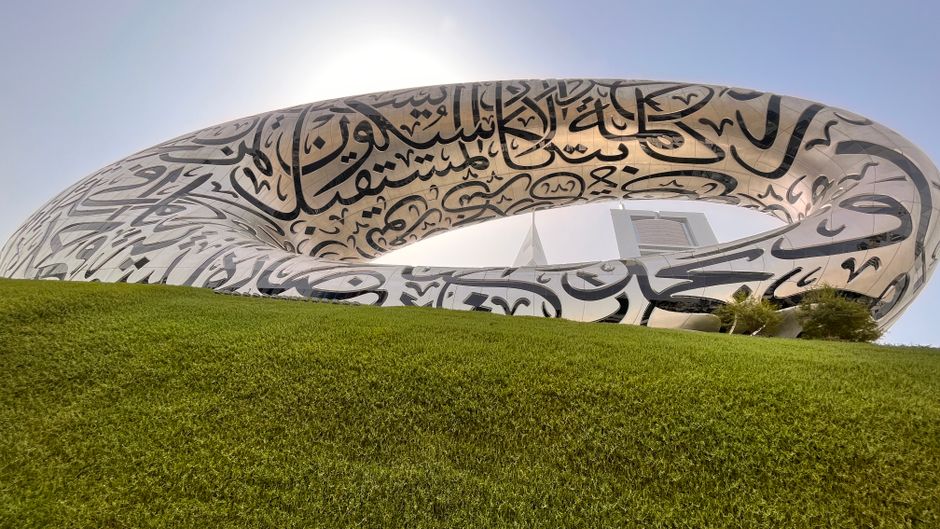
Today's scene defies easy categorization. The Sharjah Biennial, technically across the border but spiritually part of the Gulf's cultural ecosystem, draws 60,000+ visitors annually. Meanwhile, institutions like the Museum of Future Earth and galleries clustered around DIFC continue attracting international artists. Yet simultaneously, traditional abra rides on Dubai Creek remain unchanged—a deliberate choice to maintain tactile connection to the city's mercantile roots.
The numbers tell their own story. Cultural venue attendance in Dubai exceeded 8 million visits in 2024. The Heritage Village in Shindagha welcomes roughly 300,000 annual visitors seeking encounters with traditional Bedouin life. Yet funding hasn't abandoned grassroots spaces; small independent galleries in Karama and Satwa survive because the cultural establishment recognizes that heritage thrives in friction between old and new.
What makes Dubai's cultural evolution distinctive isn't that it built museums—any wealthy city can do that. It's that five decades of rapid change hasn't erased the original script. The souks still function as markets. Fishermen still work from the creek. The wind towers still catch breezes the way they did in 1920. Heritage here isn't theatrical. It's simply the foundation upon which everything else was built, visible if you know where to look.
This article was compiled by AI from the sources linked above and screened before publishing. See our editorial standards.
How does this story make you feel?
Spread the word
About this article
Published by The Daily Dubai
Daily brief
Free, in your inbox before 7am. Weekdays.
More in culture