From Desert Souks to Global Runways: How Dubai Built a Fashion Empire in Three Decades
What began as a trading hub in the 1990s has transformed into a creative powerhouse that now rivals established fashion capitals.
What began as a trading hub in the 1990s has transformed into a creative powerhouse that now rivals established fashion capitals.
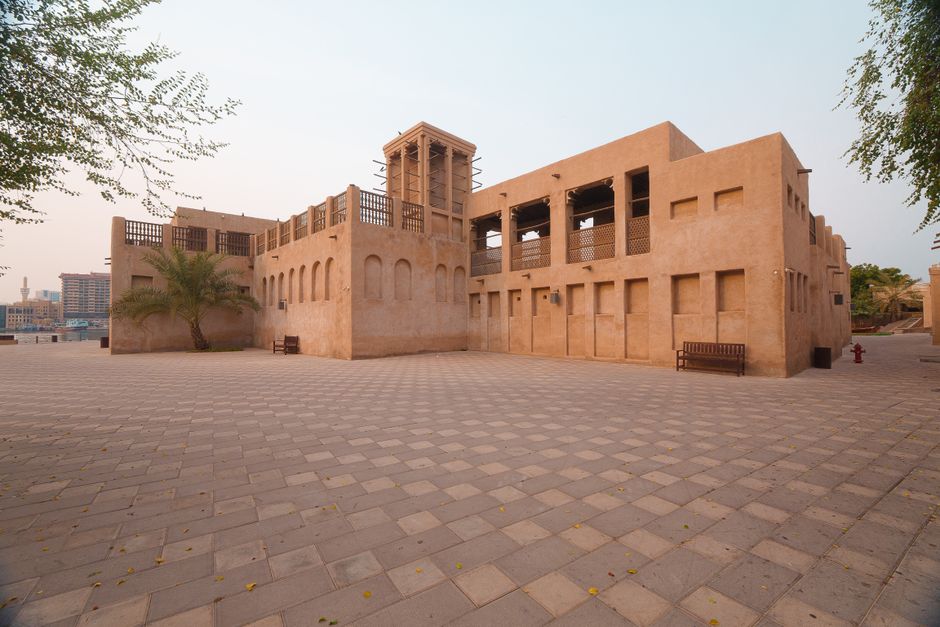
Walk through the Design District today, and you'll find sleek showrooms, collaborative studios, and emerging design houses that would have seemed unimaginable thirty years ago. Yet Dubai's fashion story didn't begin with high-tech industrial zones or international accolades. It started with ambition and the Emirati tradition of commerce.
The 1990s marked the quiet beginning. While traditional abaya designs dominated local markets, a small number of visionary designers began experimenting with tailoring, embroidery, and fusion aesthetics. The old gold souks of Deira became informal networking hubs where tailors, seamstresses, and merchants discussed the possibilities of a homegrown fashion sector. By the early 2000s, as international retailers flooded malls like The Dubai Mall and Ibn Battuta, local designers saw opportunity rather than threat.
The real inflection point came with the establishment of Dubai Fashion Week in 2007. What started as a modest showcase has grown into a twice-yearly event that attracts international buyers, press, and emerging talent from across the Middle East and South Asia. The event catalysed infrastructure: design schools opened, fabric suppliers multiplied, and production facilities expanded beyond small family operations.
Today, the creative industries contribute significantly to Dubai's diversified economy. The Design District, officially launched in 2018 near Al Quoz, houses over 1,000 creative businesses across fashion, furniture, jewellery, and digital design. Rental costs—typically ranging from 100 to 500 AED per square metre annually—remain competitive compared to similar hubs in established fashion centres, attracting entrepreneurs globally.
The sector has evolved structurally too. Emirati designers like those showcased at local ateliers now work alongside Indian, Lebanese, Pakistani, and European counterparts, creating a genuinely hybrid creative culture. The region's reputation for luxury consumption has matured into active production. Online platforms and e-commerce have democratised access, allowing independent designers to reach international markets without traditional gatekeepers.
Educational institutions have played a pivotal role. Universities offering fashion and design programmes have graduated thousands of students who've gone on to establish their own labels or work within larger houses. The creative ecosystem now includes mentorship programmes, incubators, and funding mechanisms that barely existed two decades ago.
What's particularly distinctive is how Dubai's fashion narrative embraces cultural fusion. The abaya—once purely traditional—has become a canvas for contemporary expression, blending heritage with global trends. This hybridity defines the local creative identity and distinguishes Dubai from other fashion capitals.
From souks to runways, Dubai's fashion journey reflects broader transformation: a city that learned to manufacture not just goods, but culture itself.
This article was compiled by AI from the sources linked above and screened before publishing. See our editorial standards.
How does this story make you feel?
Spread the word
About this article
Published by The Daily Dubai
Daily brief
Free, in your inbox before 7am. Weekdays.
More in culture