Your Complete Guide to Dubai's Best Local Heritage Experiences Right Now
From restored wind towers to thriving souks, here's how to experience authentic Emirati culture in 2026.
From restored wind towers to thriving souks, here's how to experience authentic Emirati culture in 2026.
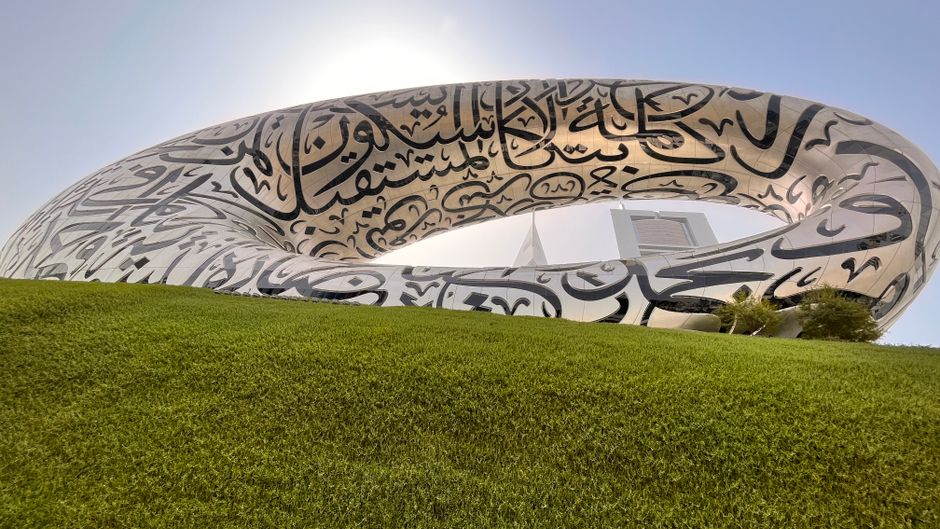
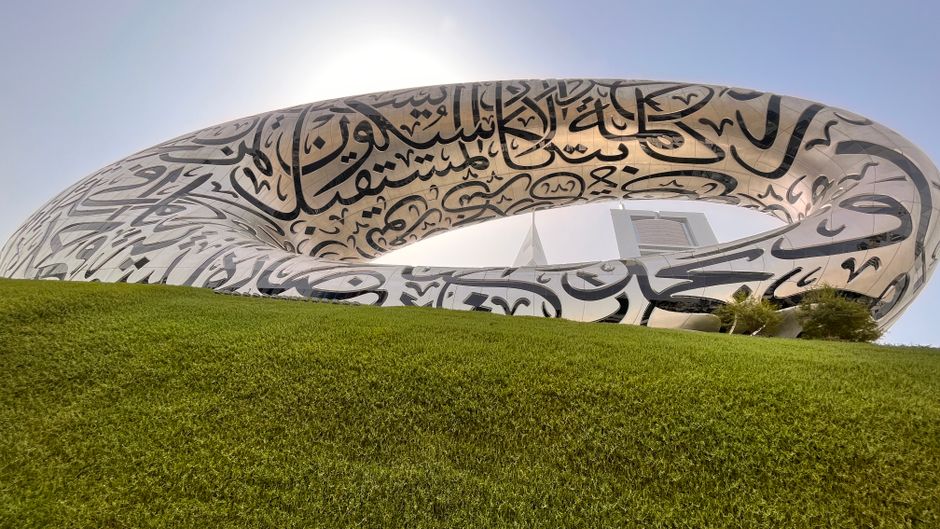
Dubai's rapid transformation often overshadows its rich cultural roots, but summer 2026 offers unprecedented opportunities to connect with the emirate's genuine heritage. Whether you're a long-time resident rediscovering home or a visitor seeking authenticity, these experiences showcase what makes Dubai's identity distinctive.
Start in Al Fahidi Historical District, the city's beating heart. This beautifully preserved neighborhood near the Dubai Museum offers a tangible link to pre-oil Dubai. Wander the narrow lanes lined with traditional coral-stone and mud-brick buildings, many now housing independent galleries and cafes. The district's restored wind towers—architectural marvels designed for natural cooling—tell stories of ingenious desert living. Entry to the Dubai Museum itself costs just 15 AED, offering insight into pearl diving heritage and traditional Bedouin life through carefully curated exhibits.
The Gold Souk remains essential. Unlike sanitized tourist attractions, this sprawling market in Deira operates as it has for decades—a genuine commercial hub where jewelry traders, locals, and visitors converge. The souk's narrow corridors, overwhelming sensory experience, and transparent pricing (gold is traded by weight daily) reveal how commerce traditionally functioned in Gulf trading ports. Early morning visits reward visitors with fewer crowds and authentic vendor interactions.
For deeper immersion, explore the Sheikh Mohammed Centre for Cultural Understanding in Al Fahidi. Their cultural lunch programs (180 AED) pair traditional Emirati cuisine with conversations about local customs, dress, and values. These aren't performative experiences but genuine educational encounters that contextualize contemporary Dubai within its cultural continuum.
The Etihad Museum, located in the historic building where the UAE's founding document was signed in 1971, provides essential context. The modest yet powerful exhibition space (25 AED admission) chronicles the unification narrative that shaped modern Dubai, displaying original manuscripts and photographs that humanize the emirate's founding generation.
Don't overlook the Heritage Village seasonal programs. When temperatures cool in autumn, this reconstructed traditional settlement hosts craftspeople demonstrating pearl diving, falconry, and textile weaving. These aren't museum displays but living practices maintaining cultural continuity.
Evening abra rides across Dubai Creek (5 AED) remain the city's most affordable authentic experience. From the water, you'll see how traditional maritime culture shaped Dubai's identity as a trading port—a perspective modern Dubai often obscures.
The key to meaningful heritage engagement is patience and genuine curiosity. These experiences exist not in isolation but as threads connecting Dubai's past to its complicated present, revealing how tradition survives within—and shapes—this relentlessly modern city.
This article was compiled by AI from the sources linked above and screened before publishing. See our editorial standards.
How does this story make you feel?
Spread the word
About this article
Published by The Daily Dubai
Daily brief
Free, in your inbox before 7am. Weekdays.
More in culture