When the Sheikh Mohammed Centre for Cultural Understanding opened in 1998, few imagined it would become the cornerstone of Dubai's emerging cultural identity. Today, that modest venue on Al Fahidi Street represents just one chapter in a remarkable story of artistic ambition that has reshaped the emirate's global reputation.
The turning point came in the early 2000s when the government began deliberate investments in cultural infrastructure. The Dubai Museum's expansion in 2003 marked a shift from purely tourism-focused exhibits to serious historical documentation. By 2008, when the global financial crisis hit, Dubai had already begun establishing itself differently—not as a playground for consumption, but as a credible cultural destination.
The Al Fahidi Historical District emerged as ground zero for this transformation. Once overlooked by developers chasing waterfront projects, the neighbourhood's restored wind-tower mansions attracted independent galleries. Today, the narrow lanes host over thirty galleries ranging from established spaces like the Majlis Gallery—operating since 1999—to experimental artist collectives. Monthly evening art walks now draw crowds of several hundred.
The establishment of Alserkal Avenue in 2008 proved transformational. This former industrial zone in Al Quoz was reimagined as a creative hub, housing over twenty galleries, artist studios and performance spaces. It became the model for Dubai's gallery districts, attracting international galleries and spawning sister spaces like Alserkal Square. The neighbourhood now hosts Art Dubai, the region's premier contemporary art fair, which has grown from humble beginnings to attract galleries from over forty countries.
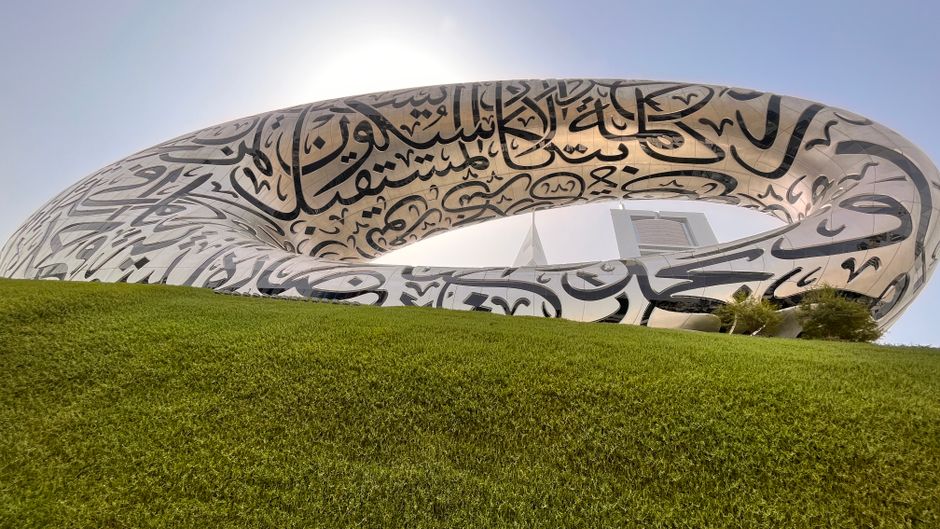
The opening of the Louvre Abu Dhabi in 2017, though technically outside Dubai's borders, accelerated the emirate's museum ambitions. By 2024, Dubai Museum of the Future, redesigned to emphasize interactive cultural experiences alongside technological innovation, had welcomed over two million visitors. Meanwhile, smaller institutions like the Etihad Museum (2015) and Shindagha Museum's recent expansions established more specialized cultural narratives.
The numbers tell the story: Dubai's gallery and museum sector now generates an estimated AED 2.3 billion annually in economic activity, according to recent tourism board figures. The percentage of visitors citing cultural attractions—rather than shopping or beaches—has tripled since 2010.
Today's scene remains dynamic and expanding. New galleries continue opening in emerging neighbourhoods while established venues expand programming. What began as top-down cultural planning has evolved into something organic—a genuine creative community with international credibility, supported by local collectors and international institutions alike. Dubai's arts landscape may be young, but its evolution has been remarkably swift.
This article was compiled by AI from the sources linked above and screened before publishing. See our editorial standards.