Walk through Al Serkal Avenue on a Thursday evening, and you'll notice a subtle shift in the gallery landscape. While mega-institutions like the Louvre Abu Dhabi and major commercial galleries continue to dominate headlines, an energetic roster of emerging curators, artists, and independent collectors are orchestrating a quieter revolution in Dubai's creative economy.
The numbers tell part of the story. Dubai's contemporary art market, valued at approximately $2.8 billion in 2024, is increasingly fractured—less dominated by blue-chip galleries and auction houses, more distributed across smaller independent spaces. Venues along Al Serkal Avenue, Alserkal District, and the emerging creative quarter in Ras Al Khor are experimenting with models that prioritise emerging Gulf and international voices over established commercial predictability.
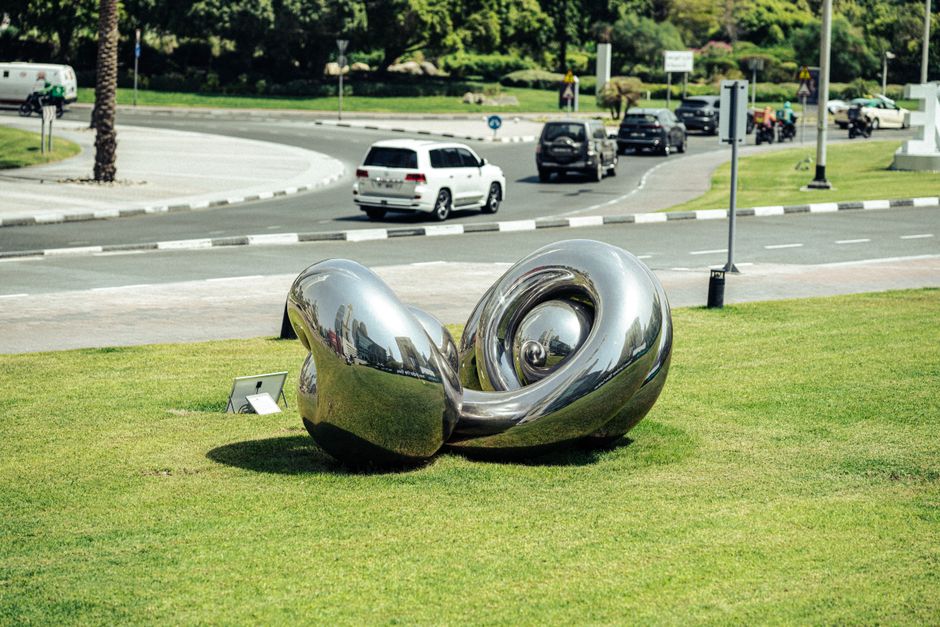
Galleries like Ayyam and The Third Line have long championed regional talent, but a new tier of operators—many under 35—are taking calculated risks on non-traditional mediums and artists operating at the margins of the mainstream market. These spaces often feature work by young Emirati and broader Gulf diaspora artists exploring identity, climate, and digital culture through sculpture, video art, and immersive installations. Entry fees typically range from free to 50 AED, a deliberate strategy to lower barriers to discovery.
"We're seeing curators who trained here but studied abroad returning with fresh perspectives," notes the broader curatorial conversation. These emerging voices tend to favour experimental presentation over polished commercial aesthetics. Group shows featuring artists under 30 have become quarterly fixtures rather than occasional events.
The institutional response is cautious but real. The National Arts Council has expanded mentorship programmes, and several mid-sized museums have established emerging curator fellowships. Meanwhile, art fairs like ADAA—originally focused on established galleries—now dedicate booth allocations specifically to galleries representing first-generation UAE-based artists.
For collectors seeking early-stage investments, the shift is significant. Young artists who exhibited in grassroots shows across Al Quoz or Ras Al Khor two years ago are now appearing in more formal institutional contexts. Price points remain accessible—emerging works typically sell between 5,000 and 40,000 AED, compared to established regional artists commanding six figures.
The momentum suggests Dubai's art scene is maturing beyond its reputation for spectacle-driven mega-institutions. Smaller galleries and independent curators are increasingly shaping which narratives define contemporary Gulf culture—a development worth monitoring for anyone invested in where regional artistic discourse is actually heading.
This article was compiled by AI from the sources linked above and screened before publishing. See our editorial standards.