Dubai's Gallery Scene Is Having a Moment—Here's Why Everyone's Talking About It
A confluence of ambitious new openings, record visitor numbers, and a shift toward regional artists has transformed the local art world into essential conversation.
A confluence of ambitious new openings, record visitor numbers, and a shift toward regional artists has transformed the local art world into essential conversation.
Walk through Al Serkal Avenue on any Thursday evening and you'll notice something that would have seemed unlikely five years ago: the neighbourhood feels alive with the kind of curatorial ambition usually associated with international art capitals. This isn't accidental. Dubai's gallery and museum landscape is experiencing a genuine inflection point, and locals aren't shy about debating what it means.
The Louvre Abu Dhabi's expansion announcements—coupled with renewed investment in institutions across the Emirates—have created a ripple effect. But the real story is happening in pockets across Dubai proper. The recently expanded Alserkal Avenue district now hosts over 60 galleries and creative spaces, up from roughly 40 just three years ago. That density matters. When you can move between a contemporary photography exhibition, a conceptual installation exploring Gulf identity, and emerging regional sculptors within a 200-metre radius, the ecosystem transforms from transactional to genuinely intellectual.
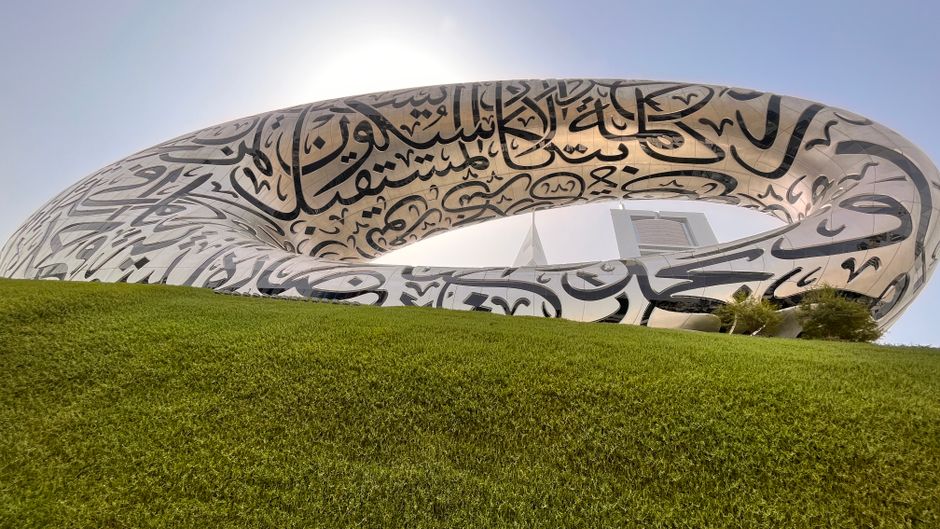
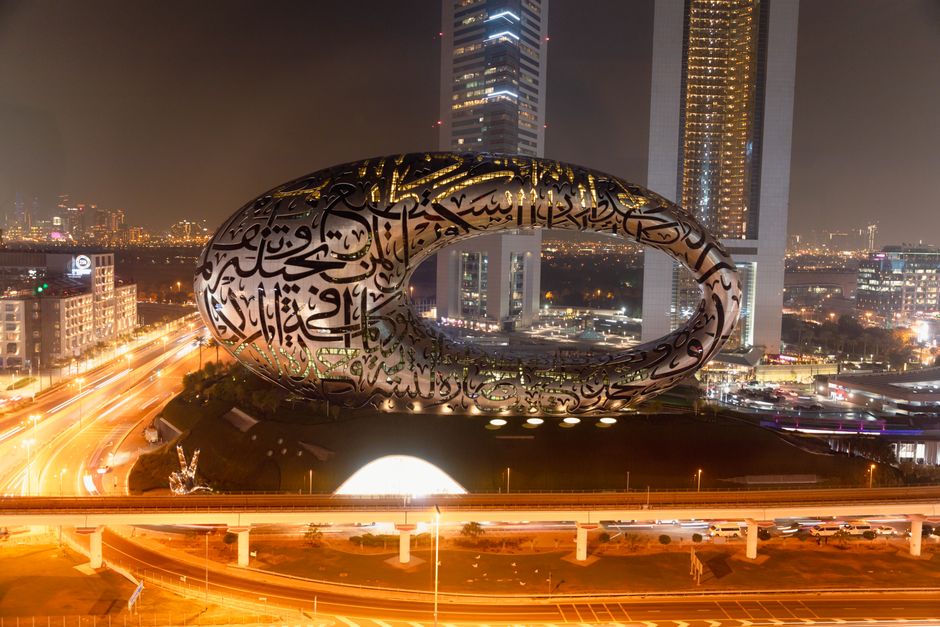
What's driving conversation among Dubai's cultural circles, though, is a deliberate curatorial shift. Major venues are increasingly featuring artists from the region—Emirati, Saudi, Egyptian, and Levantine creators—rather than simply importing established international names. The Sharjah Biennial's influence looms large here. At the same time, institutions like the Museum of Future Human Experience on Sheikh Zayed Road have positioned themselves as experimental spaces rather than conventional museums, attracting younger audiences who might previously have dismissed Dubai's cultural offerings as superficial.
Numbers tell part of the story. The Department of Culture and Tourism reported that cultural and heritage attractions across Dubai drew 6.2 million visitors in 2025, with galleries accounting for approximately 18 percent of that footfall. That's meaningful volume, but locals note it's the *quality* of engagement that's shifted. Instagram aesthetics still matter—they always will in Dubai—but serious collectors and curators are now flying in for specific exhibitions rather than treating the scene as backdrop.
There's also economic reality. Gallery spaces on Al Serkal Avenue rent for roughly 100–150 AED per square metre annually, making them accessible to mid-career artists and experimental collectives who couldn't afford comparable real estate in London or New York. That affordability has attracted risk-taking curators and created space for the kind of failure and iteration that healthy art scenes require.
The conversation isn't without tension. Debates simmer about whether growth threatens authenticity, whether commercial galleries serve broader cultural development, and whether Dubai's art world can mature beyond its reputation for surface-level glamour. These arguments, though, are precisely what signal a scene worth paying attention to.
This article was compiled by AI from the sources linked above and screened before publishing. See our editorial standards.
How does this story make you feel?
Spread the word
About this article
Published by The Daily Dubai
Daily brief
Free, in your inbox before 7am. Weekdays.
More in culture