From Desert Dreams to Global Stage: How Dubai's Arts Scene Built Its Identity
Twenty years of strategic investment and cultural ambition have transformed Dubai from a blank canvas into a thriving hub for contemporary art and museum innovation.
Twenty years of strategic investment and cultural ambition have transformed Dubai from a blank canvas into a thriving hub for contemporary art and museum innovation.
Walking through the Al Fahidi Historical District today feels like stepping through layers of Dubai's cultural awakening. Two decades ago, when the Sheikh Mohammed Centre for Cultural Understanding first opened its doors here, the notion of Dubai as an arts destination seemed improbable to many. Yet this neighborhood, with its wind-tower architecture and narrow lanes, became the birthplace of a transformation that would reshape how the world perceived Gulf culture.
The turning point came in the mid-2000s. The Dubai Museum, housed in the Al Fahidi Fort since 1971, received significant renovations that reflected a growing institutional commitment to storytelling. Meanwhile, the establishment of the Dubai Culture and Arts Authority signaled official recognition that creative expression deserved parity with real estate and retail. By 2008, when the global financial crisis hit hardest elsewhere, Dubai doubled down on cultural infrastructure.
The Alserkal Avenue district emerged as the unexpected epicenter. What began as an industrial area in Al Quoz transformed into a thriving gallery quarter, hosting over thirty creative spaces by 2020. The 3rd Line, Lawrie Shabibi, and Carbon 12 established Dubai as a serious player in the contemporary art market, while the Alserkal Avenue Foundation provided affordable studio space—a rarity in this expensive emirate. Gallery nights began drawing crowds that rivaled international art fairs elsewhere.
The opening of the Louvre Abu Dhabi in 2017, just an hour away, paradoxically strengthened Dubai's own cultural offerings rather than diminishing them. Competition spurred innovation. The Agency Gallery, the Module Project, and dozens of emerging spaces cultivated distinctly Emirati and regional artistic voices. Prices for contemporary works by Gulf artists climbed steadily, reflecting genuine market demand rather than speculation.
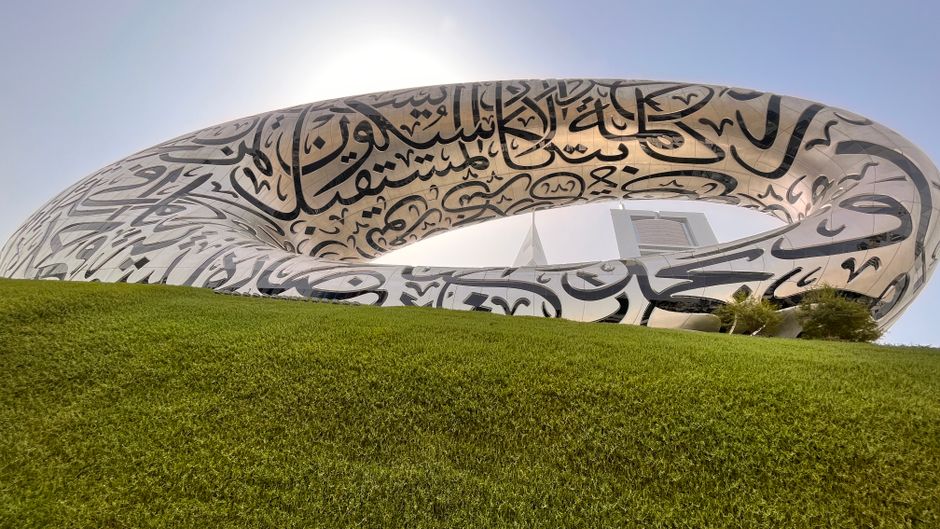
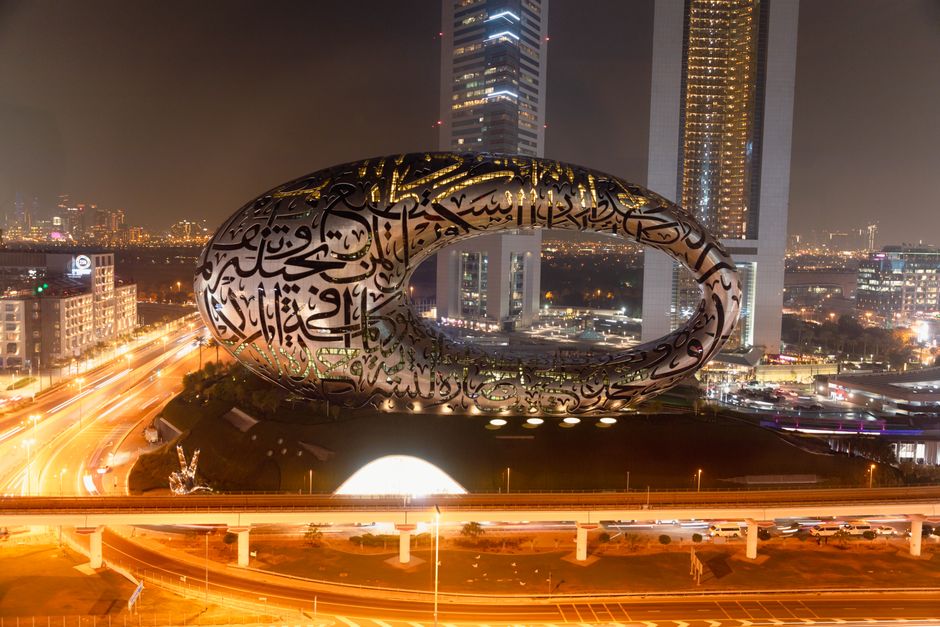
By 2024, the scene had matured considerably. The Jumeirah Archaeological Site Museum revealed the emirate's ancient trading heritage, while institutions like the Museum of the Future bridged art, science, and design in ways that felt distinctly Dubai. Visitor numbers to galleries and museums exceeded pre-pandemic levels, with roughly 2.5 million annual visits to major cultural venues.
What's striking is how organically this ecosystem developed. Unlike some Gulf initiatives that felt imposed from above, Dubai's arts scene grew from genuine artistic practice. The artists came first—establishing studios, running galleries on shoestring budgets—before institutions formalized their contribution.
Today's challenge isn't growth but authenticity. As commercial galleries proliferate along Sheikh Zayed Road and in DIFC, the question becomes: can the scene maintain the experimental spirit that defined its early years, or will market forces homogenize it? That tension—between ambition and artistic integrity—now defines Dubai's cultural moment.
This article was compiled by AI from the sources linked above and screened before publishing. See our editorial standards.
How does this story make you feel?
Spread the word
About this article
Published by The Daily Dubai
Daily brief
Free, in your inbox before 7am. Weekdays.
More in culture