From Blank Walls to Cultural Canvas: The Visionaries Behind Dubai's Street Art Renaissance
Inside the creative minds and grassroots movements transforming industrial neighbourhoods into open-air galleries.
Inside the creative minds and grassroots movements transforming industrial neighbourhoods into open-air galleries.
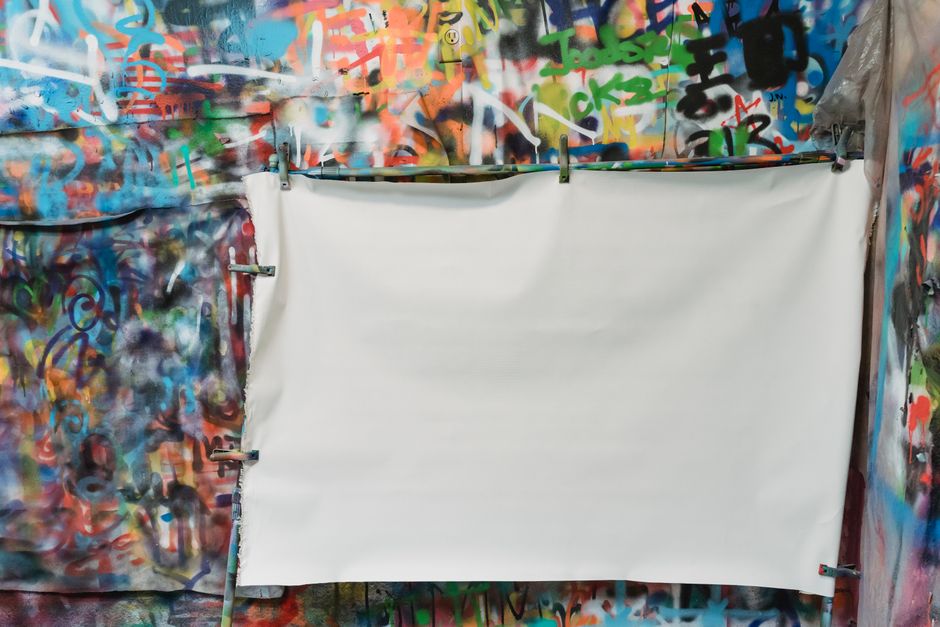
Walk through Al Quoz on a Friday morning and you'll encounter a landscape that contradicts Dubai's polished reputation. Sprawling murals in acid yellows and deep purples cover warehouse walls. Stencilled portraits of local heroes emerge from scaffolding. It's a deliberate rebellion against the city's monolithic gleam—and it didn't happen by accident.
The story of Dubai's street art districts begins with a handful of artists and cultural entrepreneurs who recognised something the emirate's master planners initially overlooked: creative communities need breathing room. Around 2015, when industrial zones like Al Quoz and Alserkal Avenue remained underutilised, a grassroots movement began. Artists from across the UAE, Egypt, Lebanon, and South Asia saw opportunity in the grey concrete expanse.
Alserkal Avenue, a 450-metre stretch in Al Quoz, emerged as the epicentre. What started as informal studio spaces in converted warehouses evolved into a licensed creative district housing over 60 galleries, design studios, and cultural venues. Today, monthly art walks draw thousands of visitors. The economic impact is measurable: property values in adjacent areas have appreciated by an estimated 15-20% since 2018, according to local real estate analysts.
But the real story lies in the individuals who championed this transformation. Collective Studio founders, independent muralists, and small gallery operators invested personal capital and reputation into spaces many initially dismissed. Local artists like Mohanned Osman and Fathima Al Mannaei became instrumental in bridging Emirati artistic expression with the international contemporary art scene. Their work—often addressing themes of migration, identity, and environmental consciousness—challenged perceptions of what UAE art could be.
The movement expanded beyond Al Quoz. In Dubai Design District (d3), established in 2015, authorities actively collaborated with creative practitioners to develop a culture-forward neighbourhood. Today, it houses over 200 design businesses, from independent fashion labels charging 400-800 dirhams for bespoke pieces to design agencies serving regional Fortune 500 companies.
What distinguishes Dubai's street art narrative from other global creative districts is its demographic complexity. Artists here navigate multiple cultural frameworks—Emirati heritage, Arab contemporaneity, and international contemporary practice—often simultaneously. Street art here isn't merely aesthetic rebellion; it's cultural translation.
As June's heat settles over the city, these districts pulse with activity. Art collectives organise pop-up events. Young Emirati designers launch ventures. International artists apply for residencies. The blank walls that once defined industrial Dubai have become conversation spaces—proof that even in a city defined by ambition and scale, human creativity remains the most transformative force.
This article was compiled by AI from the sources linked above and screened before publishing. See our editorial standards.
How does this story make you feel?
Spread the word
About this article
Published by The Daily Dubai
Daily brief
Free, in your inbox before 7am. Weekdays.
More in culture