Canvas and Vision: How Dubai's Gallery Scene is Redefining What It Means to Be Emirati
From Al Serkal Avenue to the Museum of the Future, Dubai's art institutions are shifting the city's identity from commercial hub to creative powerhouse.
From Al Serkal Avenue to the Museum of the Future, Dubai's art institutions are shifting the city's identity from commercial hub to creative powerhouse.
Walk through Al Serkal Avenue on a Thursday evening and you'll witness something that would have seemed unlikely a decade ago: a thriving independent gallery district where young Emirati artists share studio space with international names, where art openings draw crowds as readily as branded luxury events, and where conversation orbits around conceptual practice rather than price tags.
This transformation marks a subtle but profound shift in how Dubai sees itself. Once characterised primarily as a business and tourism destination, the city's cultural institutions are now actively shaping a narrative around creative identity—one that goes beyond the spectacular architecture and instead asks: who are we, artistically and culturally?
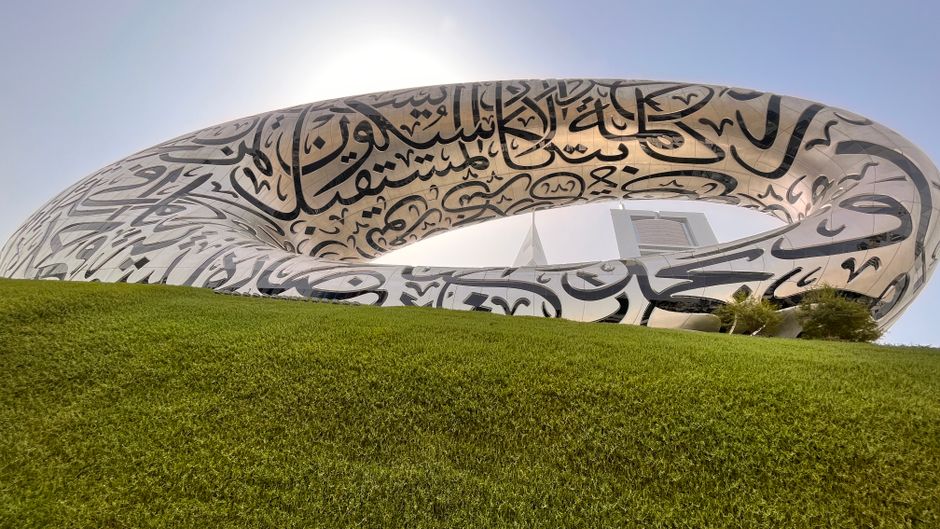
The numbers tell part of the story. Dubai's gallery sector has grown approximately 35% over the past five years, with over 80 contemporary art spaces now operating across the emirate, according to local arts council data. The Museum of the Future, which opened in 2022 on Sheikh Zayed Road, has become a cultural anchor, attracting 2.8 million visitors in its first three years. Meanwhile, institutions like the Louvre Abu Dhabi's sister programming and smaller venues like The Third Line have cultivated serious collectors and artists who view Dubai not as a stopover but as a destination for cultural engagement.
What's particularly striking is how these spaces are centring Gulf narratives. Last year, more than 40% of exhibitions across Dubai's major galleries featured artists from the UAE, GCC countries, or the broader region—a marked increase from 2020. This isn't tokenism; it reflects genuine curation decisions about what stories matter and whose voices shape the city's cultural conversation.
The economics matter too. Art Basel Dubai, held annually at Dubai International Convention Centre, generated an estimated $385 million in economic activity in 2025, while supporting emerging galleries that might never afford Art Basel's Swiss parent fair. These secondary markets—independent gallery clusters in Jumeirah, the evolving creative zones in Al Quoz—are where identity is genuinely tested and refined.
For Emirati audiences and creatives, this represents permission to engage with cultural production on their own terms. Young artists no longer need to migrate to New York or London to be taken seriously. Museums and galleries are actively commissioning local voices to interpret everything from heritage to climate anxiety to diaspora experience.
Whether this momentum continues depends on sustaining investment in education, fair artist compensation, and genuine audience development beyond tourism metrics. But on current trajectory, Dubai's galleries and museums are successfully rewriting the city's cultural script—from a place known for consuming culture to one defined by creating it.
This article was compiled by AI from the sources linked above and screened before publishing. See our editorial standards.
How does this story make you feel?
Spread the word
About this article
Published by The Daily Dubai
Daily brief
Free, in your inbox before 7am. Weekdays.
More in culture