Walk down Al Serkal Avenue in Al Quoz today, and you'll find yourself in what many consider the creative heartbeat of Dubai. Yet fifteen years ago, this industrial warehouse district was virtually unknown to the city's art world. The transformation wasn't accidental—it was engineered by a handful of pioneering figures who saw potential where others saw only concrete and commerce.
The story of Dubai's arts scene is fundamentally a story about people willing to bet against conventional wisdom. When Serkal Avenue's early gallerists began converting corrugated-iron warehouses into white-cube exhibition spaces around 2011, Dubai's cultural infrastructure was still finding its footing. The emirate had museums—the Dubai Museum, the Sheikh Mohammed Centre for Cultural Understanding—but little in the way of contemporary art ecosystems that collectors and artists actually inhabited.
Today, Al Serkal Avenue alone hosts over 40 galleries, artist studios, and creative enterprises. The annual Art Dubai fair, which launched in 2007 and has grown to attract galleries from over 40 countries, became a turning point in legitimizing the city's position as a serious art hub. Yet behind these institutions are individuals whose decisions—about which artists to represent, which neighborhoods to develop, how to bridge Middle Eastern and international audiences—fundamentally shaped what Dubai's culture looks like today.
The Alserkal Avenue Foundation, established to support the district's development, works with emerging curators and artists to sustain what has become a self-reinforcing ecosystem. Gallery owners report that foot traffic has grown steadily, with weekend visitors numbering in the thousands during peak seasons. Educational initiatives have expanded too: institutions like the American University in Dubai and Zayed University now offer visual arts programming that didn't exist a decade prior.
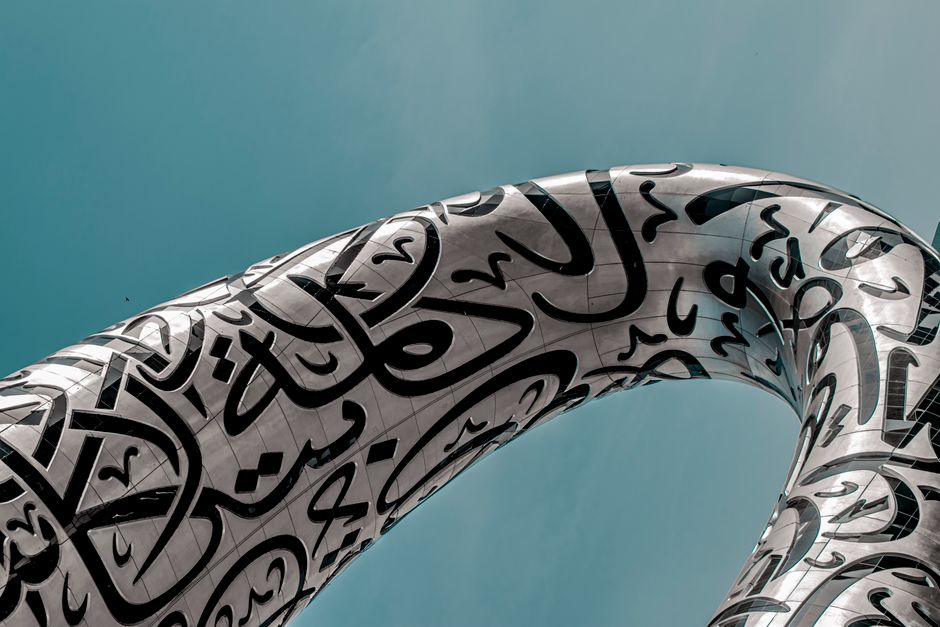
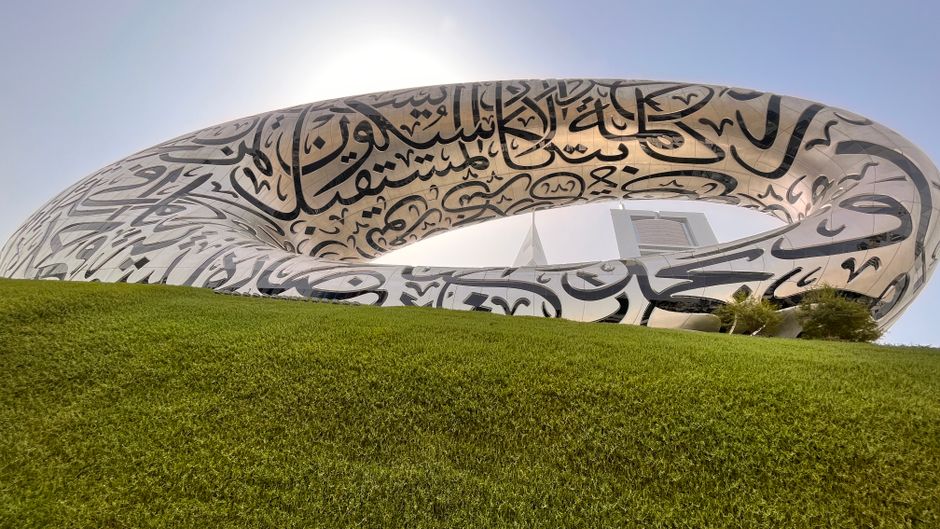
Museums like the Museum of Future Science and Etihad Museum represent different curatorial philosophies—one hyper-futuristic, one deeply historical—yet both emerged from conversations among cultural planners about what Dubai needed to tell about itself. These weren't top-down impositions but rather reflections of genuine debates about identity and vision.
What's remarkable is how organic much of this growth has been. Unlike some cultural sectors driven primarily by government initiative, Dubai's gallery scene emerged largely through private investment and grassroots enthusiasm. Today, as international art fairs circle the globe, Dubai's position feels less like an outsider trying to join the conversation and more like an essential node in a genuinely multipolar art world. That transformation belongs as much to the gallery owners scouting Al Quoz warehouses as to any institution.
This article was compiled by AI from the sources linked above and screened before publishing. See our editorial standards.