Walk through Al Fahidi Historical District on any evening, and you'll witness Dubai's cultural paradox in full view: meticulously restored 19th-century merchant houses standing sentinel over a city that barely existed a century ago. Yet this juxtaposition tells the real story of how a modest pearling settlement became one of the Middle East's most dynamic creative capitals.
The transformation didn't happen overnight. Until the 1960s, Dubai's cultural life revolved around the waterfront. The Al Fahidi Fort, built in 1787, served as both defensive structure and cultural landmark—hosting traditional music performances and gatherings that defined Emirati identity. The Dubai Museum, housed within the fort since 1971, documents this evolution through exhibits of pearl diving equipment, traditional fishing nets, and early 20th-century photographs showing modest wooden structures where glass towers now stand.
The real acceleration came post-1990. Dubai's oil wealth enabled ambitious infrastructure projects, but cultural development lagged. Sheikh Mohammed bin Rashid's 2001 vision shifted priorities. The establishment of the Dubai Culture and Arts Authority in 2007, later consolidated into the Department of Culture and Tourism, marked an inflection point. Suddenly, heritage wasn't just preserved—it was strategized as identity currency in a rapidly globalizing metropolis.
Today's landscape reflects this deliberate evolution. The Al Serkal Avenue precinct in Al Quoz transformed from industrial warehouse zone into a thriving arts quarter over the past decade, now housing galleries, design studios, and performance spaces that generate an estimated 15,000 cultural visits monthly. Meanwhile, the Sheikh Mohammed Centre for Cultural Understanding, established in 1998 on the edges of the Old Town, continues offering cultural breakfasts and heritage tours that have educated hundreds of thousands of residents and visitors.
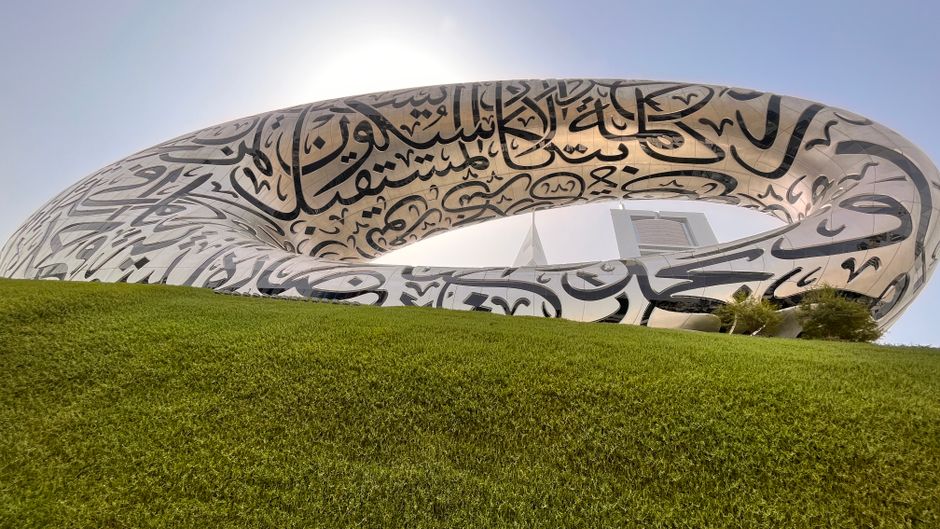
The 2020 opening of the Museum of Modern Art in Downtown Dubai signaled another shift—from heritage preservation toward contemporary creative expression. Yet this hasn't displaced traditional practices. The Dubai Heritage Week, held annually in November, still draws crowds exploring traditional Emirati crafts, with artisans demonstrating henna application, traditional weaving, and pearl diving heritage.
What's striking for heritage advocates is the tension between growth and preservation. Preservation societies estimate that fewer than 15 traditional wind-tower buildings remain in original condition in Al Fahidi—down from approximately 40 in the 1980s. As Dubai hosts increasingly global cultural events, from Art Week to the Biennial, locals grapple with a question: can rapid modernization coexist with authentic heritage? The answer emerging suggests yes—but only if the history underpinning this scene remains visible, documented, and valued alongside tomorrow's innovations.
This article was compiled by AI from the sources linked above and screened before publishing. See our editorial standards.