Heritage Reimagined: The Emerging Voices Reshaping Dubai's Cultural Identity
A new generation of curators, artists and storytellers are reclaiming Dubai's pre-oil history and challenging the narrative of overnight modernity.
A new generation of curators, artists and storytellers are reclaiming Dubai's pre-oil history and challenging the narrative of overnight modernity.
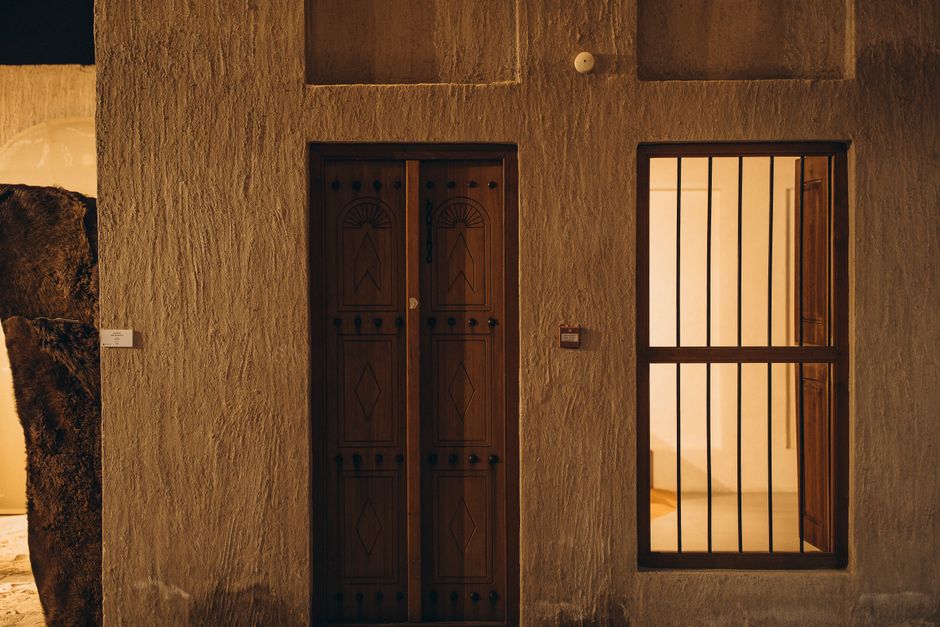
Walk through the lanes of Al Fahidi Historic District on any Friday evening, and you'll spot them: young documentarians filming crumbling merchant houses, emerging curators installing installations about pearl diving heritage, independent researchers cataloguing oral histories of Emirati families. This is where Dubai's next wave of cultural guardians is quietly reshaping how the city understands itself.
For decades, Dubai's identity has been locked in a forward-looking narrative—skyscrapers, superlatives, speed. But a cohort of emerging talents in their late twenties and thirties is deliberately pumping the brakes, insisting that authentic cultural identity requires knowing where you've come from. They're working across institutions like the Sharjah Art Foundation and independent spaces along Al Quoz Street, as well as grassroots initiatives that have proliferated since the Ministry of Culture and Youth expanded heritage grants in 2024.
What distinguishes this wave is methodological rigour combined with creative ambition. Rather than nostalgic pastiche, these emerging voices are conducting archival research, interviewing elderly residents before memories fade, and translating heritage into contemporary visual language. Some are documentary filmmakers exploring family diaspora narratives. Others are digital storytellers mapping disappeared neighbourhoods using GIS technology. A few are artists working directly with traditional craftspeople—abra builders, textile dyers, pearl merchants—to produce work that feels urgent rather than museum-bound.
The economics matter too. With studio rent in central Dubai averaging 3,000–5,000 AED monthly, many are clustering in more affordable pockets like Jebel Ali and Ras Al Khor, where landlords are increasingly receptive to creative tenants. The parallel rise of independent galleries and artist-run spaces—particularly in the gritty warehouse districts that predate the mega-galleries of DIFC—has created room for experimental work that institutions might deem unmarketable.
What unites them is a shared conviction: that Dubai's multicultural heritage—Emirati, Iranian, South Asian, East African—represents untapped cultural capital. They're not interested in heritage as heritage. They're interested in heritage as a lens for understanding contemporary belonging, migration, labour, and identity.
This cohort won't dominate international art fairs or command premium prices anytime soon. But they're the ones training binoculars on the city's blind spots, asking uncomfortable questions about what gets preserved and what gets demolished, and insisting that modernity and memory aren't opposing forces. In a city perpetually chasing the next headline, they're the ones reading the footnotes.
This article was compiled by AI from the sources linked above and screened before publishing. See our editorial standards.
How does this story make you feel?
Spread the word
About this article
Published by The Daily Dubai
Daily brief
Free, in your inbox before 7am. Weekdays.
More in culture