Walk through Al Fahidi Historical District today and you'll see a carefully preserved narrative of Dubai's past. But few visitors know the names of the people who fought to save these narrow lanes from demolition, or understand the deliberate choices that transformed a struggling neighbourhood into the cultural heartland it is today.
In the late 1990s, when Dubai's skyline was rushing upward with brutal efficiency, a small group of heritage advocates and urban planners—many working within the Dubai Municipality and the Department of Tourism—began a quiet campaign to document and protect the city's older quarters. These weren't household names; they were researchers, architects, and administrators who recognised that a city built entirely for tomorrow would have no yesterday to call its own.
The restoration of Al Fahidi, completed in phases between 2002 and 2008, cost approximately AED 80 million and employed a methodology that prioritised authenticity over sanitisation. It was this commitment to genuine preservation—not theme-park recreation—that attracted institutions like the Sheikh Mohammed Centre for Cultural Understanding, founded in 1998, which has since hosted over 1.5 million visitors seeking to understand Emirati identity beyond the shopping malls.
Parallel to this preservation work, a different kind of cultural architecture was being built. The opening of the Bastakiya Theatre in 2014 within the restored district gave voice to independent theatre makers and gave substance to the creative community that had been dispersed across the Emirates. This venue, and others like it, emerged because local cultural entrepreneurs and producers—many Emirati, many expatriate—decided that Dubai's identity required platforms for dialogue, not just consumption.
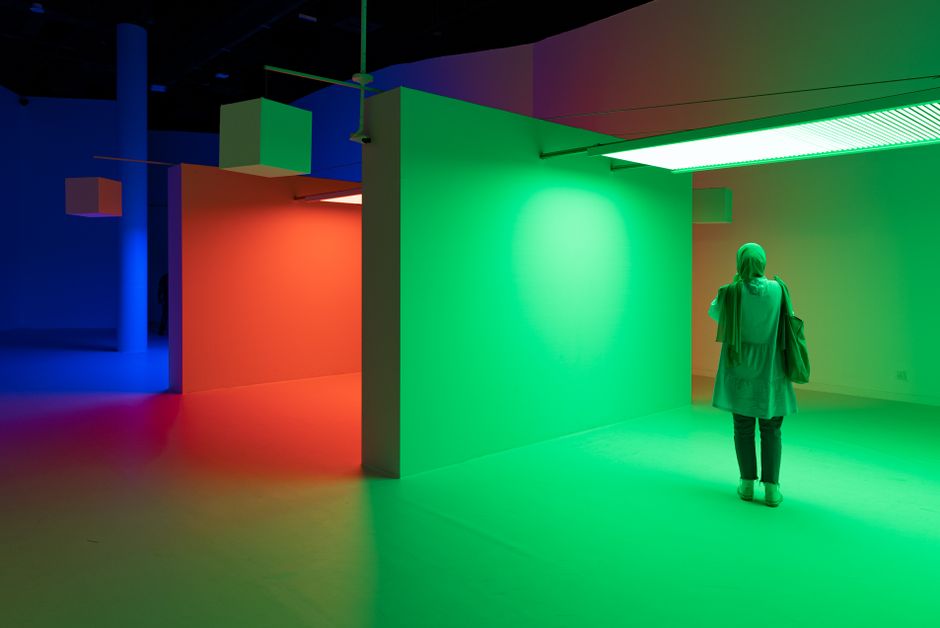
The Art Jameel initiative, launched in 2012, was another inflection point, bringing serious contemporary art infrastructure to a city still learning how to value non-commercial cultural expression. These weren't top-down impositions; they were created by people within the system who understood what was missing.
Today, as Dubai's cultural calendar bulges with festivals, exhibitions, and performances—from the Dubai Design Week to smaller grassroots initiatives operating in converted warehouses in Al Quoz—it's worth pausing to recognise that none of this emerged accidentally. It was shaped by individuals who understood that heritage and contemporary culture are not opposites but partners in creating authentic civic identity.
The next generation of Dubai's cultural leaders is now asking harder questions: Who gets to tell these stories? Whose history is preserved and whose is forgotten? These questions matter precisely because the foundations laid by the previous generation—imperfect as they were—made such questioning possible at all.
This article was compiled by AI from the sources linked above and screened before publishing. See our editorial standards.