The Emirati Youth Movement Reclaiming Dubai's Hidden Heritage
A new generation of cultural activists is transforming forgotten neighborhoods into living archives, reshaping how the emirate understands its own identity.
A new generation of cultural activists is transforming forgotten neighborhoods into living archives, reshaping how the emirate understands its own identity.
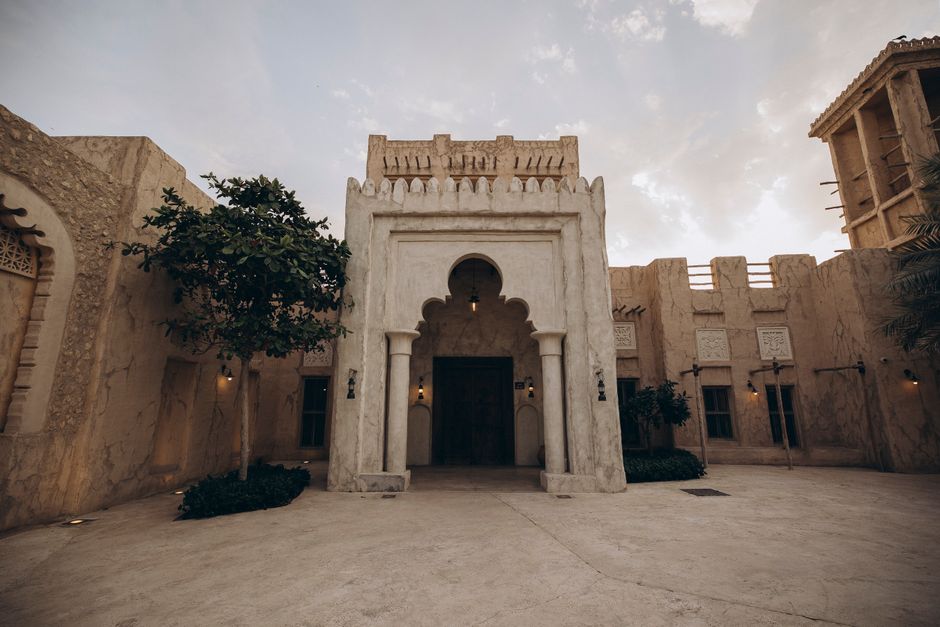
Walk through Al Fahidi Historical District on a Thursday evening and you'll notice a shift. Where tour groups once dominated, young Emiratis now gather in restored coral-stone buildings, debating the future of their city's past. This grassroots awakening—led primarily by Emiratis under 35—represents a fundamental reimagining of Dubai's relationship with heritage.
The movement gained momentum around 2024, when organizations like the Emirati Heritage Collective began organizing monthly walking tours through Deira's narrow lanes, documenting merchant families' stories before they vanish entirely. Unlike top-down heritage initiatives, these efforts emerge from community members themselves: architects, students, and creative professionals investing personal time into preservation work.
"People assume Dubai only cares about the future," explains the coordinator of one such initiative, speaking on condition of anonymity due to the grassroots nature of the work. "But there's deep hunger among young Emiratis to understand where we come from, especially as the city changes so rapidly."
The movement extends beyond Al Fahidi. In Shindagha, traditional wind-tower residences—once slated for redevelopment—are now being documented through community photography projects. Local historians are mapping the stories of old merchant families and pearl divers, creating digital archives accessible to anyone. These efforts fill gaps left by formal institutions, which often struggle to keep pace with rapid urban transformation.
What distinguishes this movement is its authenticity. Rather than heritage as tourist commodity—a positioning that has long characterized Dubai's cultural narrative—these activists frame it as identity work. They're asking questions about what it means to be Emirati in 2026, when global influences and rapid development have fundamentally reshaped the urban landscape.
The participation numbers suggest genuine traction. Monthly heritage walks in Al Fahidi now attract 200-300 participants, double the figures from two years ago. Online community mapping projects have documented over 500 historical sites, with contributions coming from across the Emirates.
This cultural shift carries political dimensions too. By reclaiming narratives about Dubai's merchant past and pearl-diving heritage, young Emiratis are asserting local identity against homogenizing global forces. They're asking: what stories matter? Whose history gets preserved? Who gets to define Emirati culture?
The formal heritage sector has begun taking notice. Recent government initiatives show increased funding for community-led preservation projects, suggesting institutional recognition of this grassroots momentum. Yet the real power lies with the young activists themselves—those spending their weekends in archives and narrow streets, ensuring their city's past survives its future.
This article was compiled by AI from the sources linked above and screened before publishing. See our editorial standards.
How does this story make you feel?
Spread the word
About this article
Published by The Daily Dubai
Daily brief
Free, in your inbox before 7am. Weekdays.
More in culture