Dubai Street Art: How Local Collectives Transform the City
Discover how Dubai's grassroots street art movement is turning forgotten neighbourhoods into vibrant galleries. Explore the artists reshaping urban creativity.
Discover how Dubai's grassroots street art movement is turning forgotten neighbourhoods into vibrant galleries. Explore the artists reshaping urban creativity.
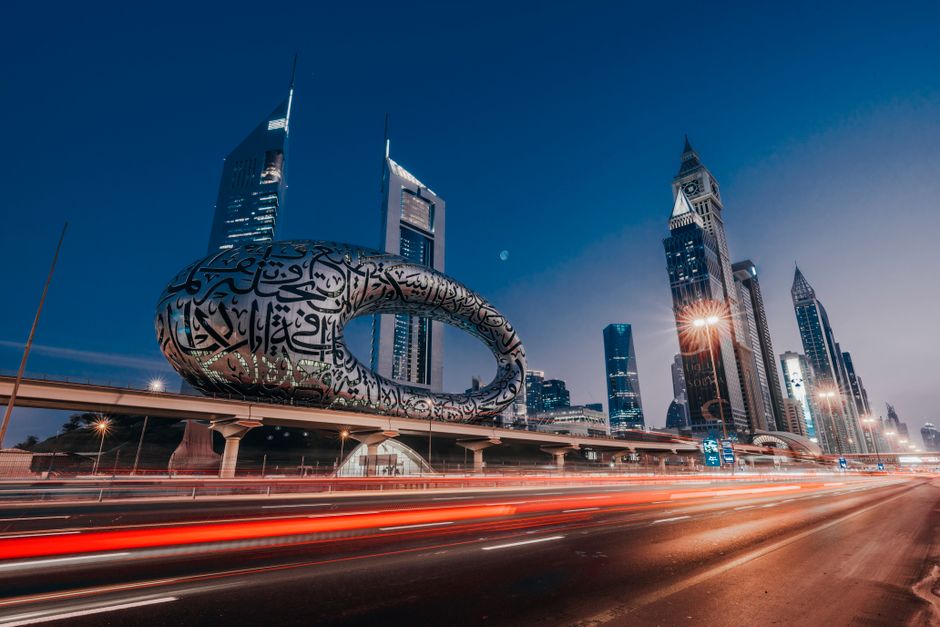
Three years ago, the stretch of Al Fahidi Street between the Heritage and Diving Village was largely unremarkable—weathered walls, minimal foot traffic, limited cultural significance beyond its historical associations. Today, it pulses with colour and purpose, a testament to what happens when artistic collectives decide to reclaim urban space.
The transformation reflects a broader awakening in Dubai's creative culture. While the emirate has long championed architecture and design through flagship institutions, a grassroots movement is now democratising artistic expression through street art, transforming industrial zones and neglected neighbourhoods into open-air galleries. This shift isn't merely aesthetic; it represents a philosophical realignment about who gets to shape Dubai's cultural narrative.
Local organisations like the Dubai Street Museum and independent collectives operating from spaces in Alserkal Avenue have become catalysts, organising regular painting sessions, mentoring emerging artists, and negotiating permissions with property owners. The economic scale is modest by Dubai standards—typical commissions for neighbourhood murals range from AED 5,000 to AED 25,000—yet the cultural returns are disproportionate.
What distinguishes this movement is its deliberately inclusive ethos. These aren't top-down cultural initiatives mandated by authorities, but rather organic collaborations between Emirati, expat, and migrant artists working alongside residents. Workshops in Deira and Satwa have introduced street art to audiences who might never visit traditional galleries. Some participants charge nothing; others operate on sliding scales to ensure accessibility.
The community driving this shift tends to be younger, digitally native, and acutely conscious of Dubai's rapid transformation. Many activists articulate their work as a counterbalance to the city's relentless modernisation—a way of preserving character and creating spaces where spontaneity, imperfection, and artistic risk-taking are valued.
Building permissions and property rights remain complex: some walls are legal, others exist in grey zones. Yet municipal attitudes have softened noticeably since 2023, when the Municipality began designating specific areas as official street art zones. The Creative City Initiative, launched by local stakeholders, now actively encourages mural projects in designated neighbourhoods.
Dubai's street art renaissance matters because it suggests something deeper shifting in the city's self-perception. For decades, the narrative was dominated by superlatives and scale. Now, an emerging community is asking different questions: What does authenticity mean in a rapidly built city? How do we create space for artistic expression beyond commercial contexts?
These aren't rhetorical questions. They're being answered daily on the walls of Alserkal, in the alleyways of Satwa, and increasingly across the broader urban fabric. The movement remains nascent, but its momentum—driven by artists unwilling to wait for institutional permission—is unmistakable.
This article was compiled by AI and screened before publishing. See our editorial standards.
How does this story make you feel?
Spread the word
About this article
Published by The Daily Dubai
Daily brief
Free, in your inbox before 7am. Weekdays.
More in culture


