Theatre in Dubai: Why Everyone's Talking About It Now
Discover why Dubai's theatre scene is booming with affordable Arabic-language performances, subsidised tickets at 150 AED, and diverse audiences reshaping live entertainment.
Discover why Dubai's theatre scene is booming with affordable Arabic-language performances, subsidised tickets at 150 AED, and diverse audiences reshaping live entertainment.
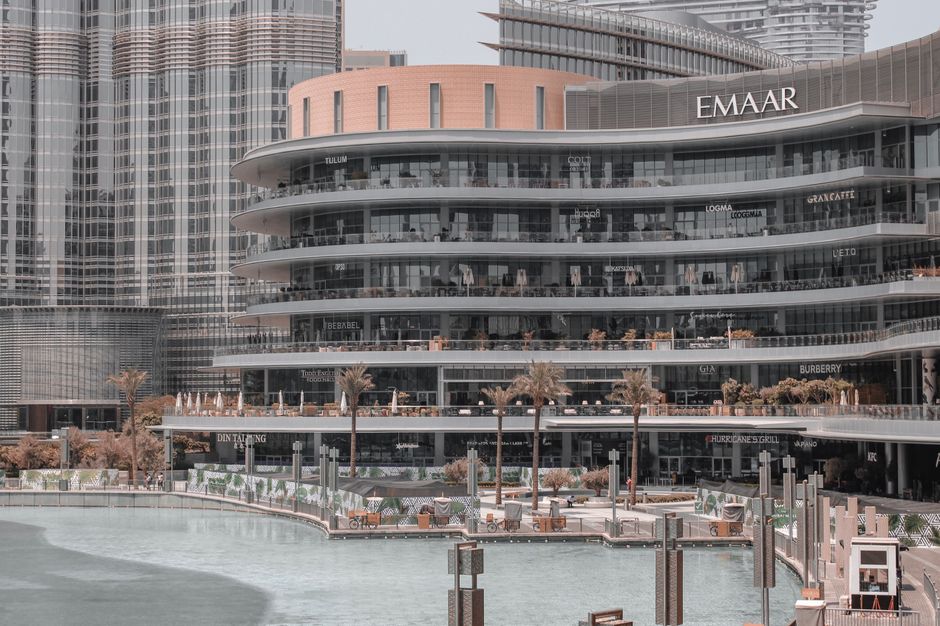
Walk through the corridors of the Madinat Theatre in Madinat Jumeirah or the newly expanded Coca-Cola Arena near City Walk, and you'll notice something distinctly different from five years ago: audiences are increasingly diverse, programming is bolder, and conversations about theatre in Dubai's expat-heavy cafes have shifted from nostalgic complaints about limited options to genuine excitement about what's actually on stage.
The turning point came with a confluence of factors. Earlier this year, the National Theatre Company launched an ambitious season at the Al Serkal Avenue cultural hub in Karama, introducing subsidised ticket prices—filling seats at 150 dirhams instead of the standard 300-400 range. The move democratised access in a city where performing arts have long been perceived as premium entertainment. Within weeks, Friday evening shows were selling out among younger Emirati audiences and lower-income expatriate communities previously priced out of the scene.
Simultaneously, the number of Arabic-language productions has tripled over the past 18 months. Where English-language theatre once dominated Dubai's offerings, contemporary Arabic plays exploring Gulf identity, migration, and urban life are now anchoring theatre calendars. Productions like adaptations of classical Khaleeji poetry staged at the Dubai Culture and Arts Authority's venues have sparked spirited discussions in online forums about representation and cultural authenticity in the emirate's cultural institutions.
What's particularly notable is the emergence of independent theatre collectives operating from warehouse spaces in Jebel Ali and around the Industrial Area. These grassroots groups are creating experimental work with deliberately modest production values, attracting audiences fatigued by the polished commercialism of larger venues. Their productions sell out through word-of-mouth and Instagram rather than official ticketing platforms—a phenomenon that signals a genuine underground theatre culture developing in Dubai.
Industry insiders point to three drivers: post-pandemic appetite for live experiences, deliberate institutional efforts to broaden audience demographics, and a new generation of Emirati directors and playwrights claiming space on stages historically dominated by visiting Western productions. The combined effect has created what observers describe as a tangible shift in the cultural conversation.
Walk into any café in Jumeirah or DIFC on any given week, and you'll overhear debates about a recent performance or the upcoming experimental season. Theatre, long dismissed as niche entertainment for expats, is becoming a genuine talking point in Dubai's increasingly layered cultural landscape.
This article was compiled by AI and screened before publishing. See our editorial standards.
How does this story make you feel?
Spread the word
About this article
Published by The Daily Dubai
Daily brief
Free, in your inbox before 7am. Weekdays.
More in culture


