Dubai Design District Fashion: Middle East's Milan Moment
Emirati and regional designers are reshaping Dubai's fashion scene. Explore how homegrown talent, international relocations, and creative economy growth are transforming Al Wasl Road.
Emirati and regional designers are reshaping Dubai's fashion scene. Explore how homegrown talent, international relocations, and creative economy growth are transforming Al Wasl Road.
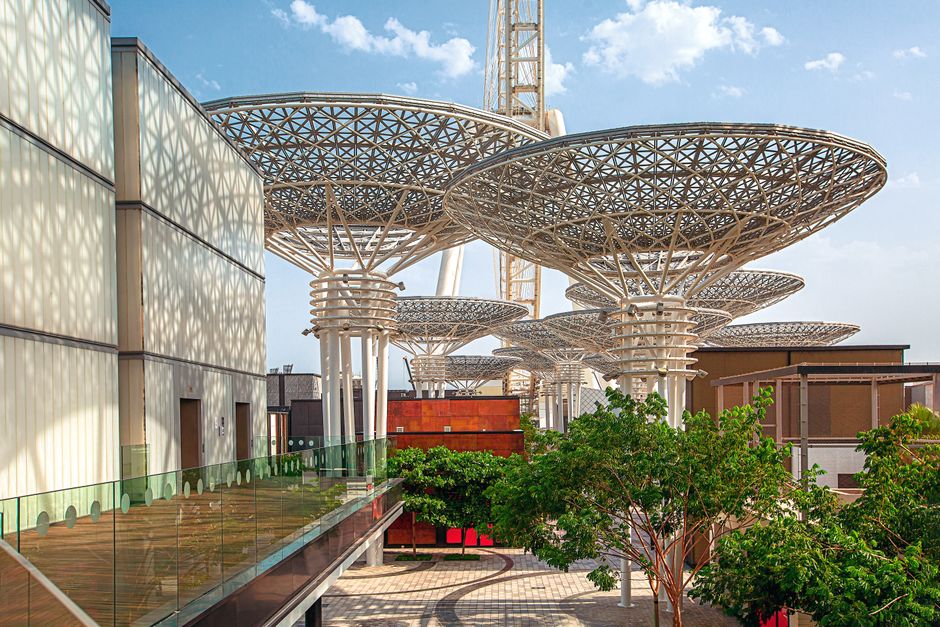
Walk through the Design District on Al Wasl Road these days and you'll notice something that wasn't true even twelve months ago: the conversation has shifted. Where once visitors marveled at gleaming showrooms and luxury flagships, there's now genuine buzz around emerging Emirati and regional designers establishing their own studios, launching independent collections, and attracting serious international investment.
The change isn't accidental. Dubai's creative industries sector generated approximately 32 billion AED in 2025, according to recent economic reports, with fashion and design accounting for roughly 18 percent of that figure. More significantly, the number of registered fashion businesses in the emirate has grown by 23 percent in the past eighteen months—a acceleration that's forcing conversations about whether Dubai can finally shed its reputation as a shopping destination and claim real creative credibility.
Several factors are colliding. First, post-pandemic talent migration. European and Asian designers, drawn by visa stability, tax incentives, and access to manufacturing networks across the Gulf, are choosing Dubai as a regional headquarters. Second, generational shift. Young Emiratis educated abroad are returning with fashion degrees and startup ambitions, rejecting traditional career paths. Third—and this matters locally—the success of figures like the Al Maktoum family's recent investment in emerging design collectives has created a template and bankroll that previously didn't exist.
The physical infrastructure has evolved too. Alserkal Avenue in Al Quoz remains a creative nucleus, but newer spaces like Factory in Jaddaf and the burgeoning studios clustered around DIFC are democratizing access. A young designer can now rent a modest studio for 3,000-4,500 AED monthly—expensive by global standards, but manageable in Dubai's ecosystem.
What locals are genuinely talking about, though, is whether this translates into cultural authenticity. Can Dubai foster design that reflects Emirati heritage and regional identity, or will it remain a global fashion service hub? Fashion weeks have proliferated—three major events compete for calendar space—yet critical questions linger about editorial rigor, audience development, and whether international buyers view Dubai shows as legitimate trendsetting venues or convenient pit stops between Paris and Shanghai.
The momentum is undeniable. But in a city accustomed to building spectacle, the real test is whether the creative industries can build something with staying power: a genuine design ecosystem that generates ideas, not just inventory.
This article was compiled by AI and screened before publishing. See our editorial standards.
How does this story make you feel?
Spread the word
About this article
Published by The Daily Dubai
Daily brief
Free, in your inbox before 7am. Weekdays.
More in culture


