Al Fahidi Historical District Dubai: Heritage vs Development
Explore how Dubai's Al Fahidi and Bastakiya districts balance cultural preservation with modernisation. Local debate intensifies over AED 45M Heritage Village renovation plans.
Explore how Dubai's Al Fahidi and Bastakiya districts balance cultural preservation with modernisation. Local debate intensifies over AED 45M Heritage Village renovation plans.
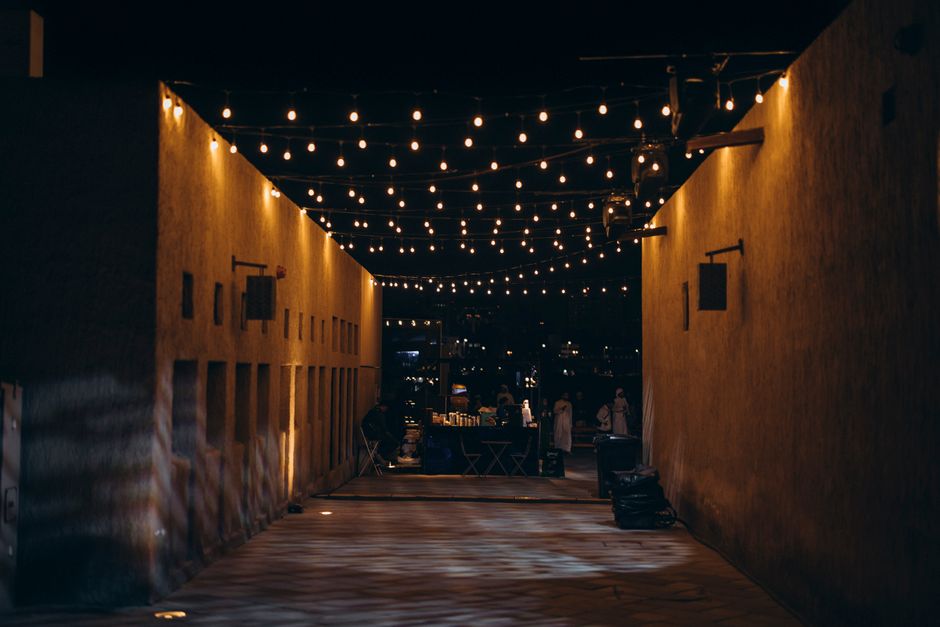
Walk through the narrow lanes of Al Fahidi Historical District on a Friday morning, and you'll encounter a peculiar tension. Freshly restored wind towers cast geometric shadows across limestone pathways, while a stone's throw away, cranes loom over what will become yet another waterfront development. This duality—preservation meets progress—has locals animated in a way that doesn't typically make headlines.
The conversation intensified this month following news that the Heritage Village, nestled near the Dubai Museum in Bur Dubai, would undergo a AED 45 million renovation to "better represent contemporary Emirati heritage narratives." The phrase alone sparked debate across local cultural circles: whose narratives? Updated how? And at what cost to authenticity?
"We're witnessing a recalibration of cultural identity," explains the broader sentiment among Dubai's heritage community. The Al Fahidi neighbourhood—with its restored coral-stone buildings, art galleries, and cafes—has become a testing ground for this question. Property values in the area have tripled since the 2011 heritage restoration began. Meanwhile, established shop owners report diminishing foot traffic from locals, replaced instead by tour groups and Instagram-hunting visitors.
The deeper issue reflects something rarely discussed publicly: Dubai's Emirati population comprises roughly 15% of residents. As globalisation reshapes the city, there's palpable anxiety about cultural dilution. The Heritage Village's repositioning—integrating digital storytelling and interactive exhibits—represents official acknowledgment of this concern, yet also raises questions about commercialisation.
Local historians point to the Sheikh Mohammed Centre for Cultural Understanding (SMCCU) in Bastakiya as a model that works: intimate, educational, unapologetically Emirati. Yet even here, demand for "traditional dress photography experiences" sometimes overshadows substantive cultural exchange.
What's striking is the organic nature of current conversations. At coffee shops around Deira and in private WhatsApp groups, Emiratis are discussing heritage not as museum content but as lived identity. The question isn't whether to preserve—it's how to prevent preservation from becoming a performance.
The June renovation announcement has crystallised this debate at a critical moment. Dubai's next generation of Emiratis, increasingly educated abroad and navigating hybrid identities, wants heritage spaces that reflect complexity rather than nostalgia. They're asking hard questions about ownership, representation, and whether restoration means revival or sanitisation.
By August, when renovation plans are publicly unveiled, expect the conversation to intensify. For a city that's reinvented itself every decade, learning to hold space for authentic cultural identity while remaining open to the world represents its most delicate balancing act yet.
This article was compiled by AI and screened before publishing. See our editorial standards.
How does this story make you feel?
Spread the word
About this article
Published by The Daily Dubai
Daily brief
Free, in your inbox before 7am. Weekdays.
More in culture


