Dubai’s Summer Shift: Why Residents Are Trading Skyscrapers for Indoor Escapes This July
As temperatures climb toward 45°C, the city’s social life has moved behind climate-controlled glass, triggering a boom in late-night cultural programming.
As temperatures climb toward 45°C, the city’s social life has moved behind climate-controlled glass, triggering a boom in late-night cultural programming.
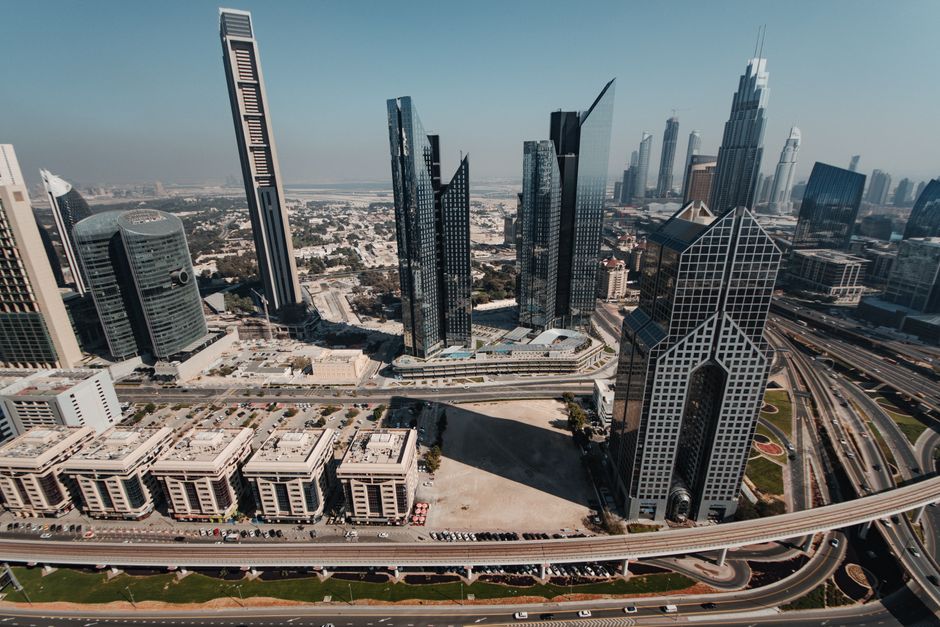
Dubai’s social calendar has officially pivoted to the interior. With the mercury hovering at 44°C this afternoon, residents are abandoning the outdoor terraces of JBR and the Marina in favor of high-ceilinged galleries and climate-controlled performance spaces. The shift is most visible across the Al Quoz industrial district, where creative hubs are extending their hours to accommodate a population avoiding the mid-day sun.
The buzz this week centers on Alserkal Avenue, where galleries have transitioned to a 'summer nocturne' schedule. The warehouse-turned-exhibition spaces are seeing foot traffic peak after 8 p.m., a departure from the traditional winter routine of afternoon browsing. Organizations like Cinema Akil are reporting a 30% increase in bookings for their late-night screening series, 'Summer Nocturnes,' which runs through the end of August. It is a calculated pivot; by clustering events indoors, the district is managing to keep foot traffic steady despite the oppressive humidity levels recorded by the National Centre of Meteorology.
The current climate-driven migration is not just restricted to art spaces. Retailers in the Fashion Avenue expansion at The Dubai Mall report that foot traffic remains consistent with mid-spring levels, even as exterior desert temperatures breach record highs. This reliance on the city’s massive climate-controlled infrastructure reflects a deeper logistical adaptation. Data from the Roads and Transport Authority indicates that metro usage during the 10 p.m. to midnight window has risen 12% since July 1, suggesting that the city's nightlife is increasingly becoming a nocturnal beast to survive the thermal realities of a Gulf summer.
Prices for premium indoor experiences have held firm, with single-day passes for indoor fitness complexes like the Warehouse Gym in Al Quoz holding steady at 120 AED per session. While the outdoor brunch market has effectively shuttered until October, the hospitality sector is aggressively marketing 'staycation' packages. The DIFC restaurant scene, specifically around Gate Village, is currently the primary beneficiary of this trend, with major establishments reporting fully booked tables for their indoor dining programs on Thursday and Friday nights.
For those looking to navigate the weekend, the advice from local event planners is straightforward: do not plan any transit before sunset. If you are heading to the Museum of the Future for their evening tours, ensure your tickets are booked at least 72 hours in advance, as the indoor capacity limits are strictly enforced during this high-demand period. Stay hydrated, prioritize the Metro’s climate-controlled walkways, and accept that for the next eight weeks, the only way to see the city is through the glass.
How does this story make you feel?
Spread the word
About this article
Published by The Daily Dubai
Daily brief
Free, in your inbox before 7am. Weekdays.
More in culture


