Dubai's Cultural Venues Thrive Despite 50-Degree Summer Heat
While extreme temperatures cancel events across the globe, Dubai's venues, galleries, and cultural institutions keep programming alive during the hottest months.
While extreme temperatures cancel events across the globe, Dubai's venues, galleries, and cultural institutions keep programming alive during the hottest months.
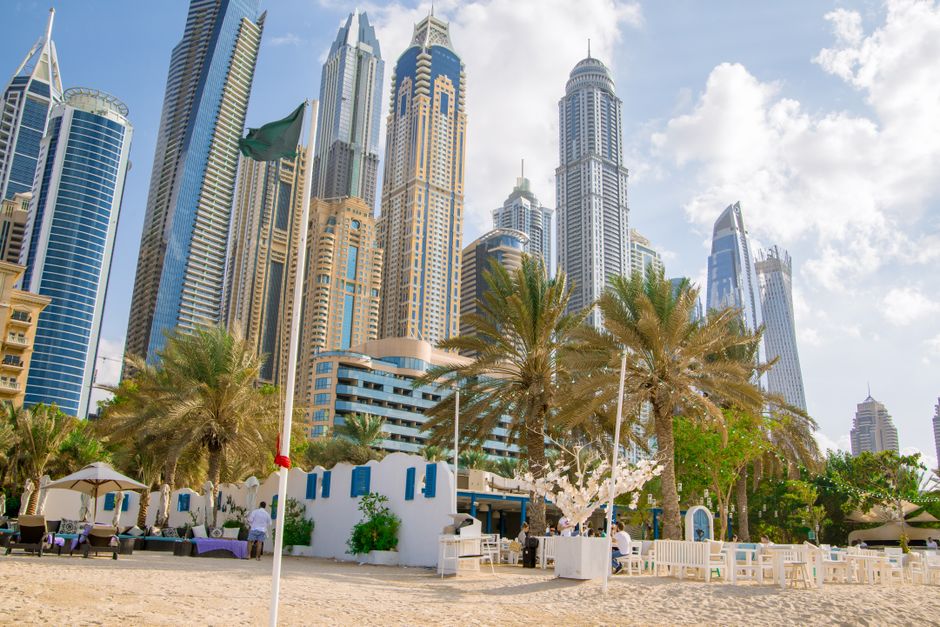
Dubai's summer social scene is refusing to shut down, even as the thermometer climbs past 45 degrees Celsius. While cities from Washington, DC to Philadelphia scrapped Fourth of July celebrations this week due to brutal heat, venues across the Emirates are adapting rather than abandoning their cultural calendars. The difference comes down to infrastructure, planning, and a local population accustomed to making summer work indoors.
The timing matters now. As global events cancel and travel patterns shift-with some destinations seeing unexpected tourism booms while others lose visitors-Dubai's ability to maintain year-round programming positions it as a reliable cultural destination. The city's summer push also reflects a broader strategy: proving that extreme heat doesn't have to mean cultural shutdown, a lesson increasingly relevant as temperatures rise worldwide.
The Museum of Future Experience on Sheikh Zayed Road remains one of the summer's strongest draws, with air-conditioned galleries featuring rotating exhibits on sustainable design and technological innovation. Entry costs 149 AED for adults, and the museum stays open until 10 PM on weekdays, allowing visitors to avoid peak afternoon heat. Nearby, the Alserkal Avenue cultural district in Al Quoz has expanded its summer programming significantly. The street's mix of independent galleries, studios, and performance spaces-including the Alserkal Warehouse and smaller project spaces-now hosts evening programming most Thursday and Friday nights, with several venues offering complimentary entry or nominal fees during cooler hours after 8 PM.
Downtown Dubai's cultural venues are leaning harder into evening and early-morning slots. The Etihad Museum, near Bur Dubai station, opens from 9 AM to 1 PM during weekday mornings, then reopens at 5 PM. The Dubai Opera, situated in the Downtown Dubai complex, has scheduled summer opera evenings and theater productions specifically timed for when temperatures dip slightly, with tickets ranging from 95 AED to over 500 AED depending on the production.
For those willing to venture outside central Dubai, the Hatta Wadi Hub in the eastern enclave offers a different angle: the mountainous terrain keeps afternoon temperatures roughly 5-7 degrees cooler than the coast. The hub combines a heritage village, outdoor adventure center, and café culture. Summer hours run 7 AM to 7 PM, giving early risers and evening explorers substantial windows to explore without melting.
Dubai's hotels reported 72 percent occupancy rates during June 2026, down from the typical 85 percent seen in peak winter months but substantially higher than comparable summer figures from 2020. Venue operators attribute the resilience partly to three factors: the expansion of indoor cultural spaces over the past four years, explicit marketing toward regional tourists from cooler Gulf nations during their school holidays, and a surge in cultural programming specifically designed for summer consumption.
The Dubai Department of Culture and Tourism launched its "Summer Nights" initiative in 2024, offering discounted entry to major cultural institutions for residents between 6 PM and midnight. The program has driven measurable traffic: participating venues reported a combined 34 percent increase in evening visitors during July 2024 compared to the same month in 2023. That trend has accelerated. The Al Fahidi Historical District now hosts guided heritage walks exclusively between 6 AM and 7:30 AM during July, capitalizing on cooler morning light to explore wind towers, traditional courtyards, and heritage sites.
Book experiences well in advance. Popular morning slots at museums fill quickly, and evening programming at galleries often reaches capacity by mid-week. Parking remains free or heavily subsidized at most cultural venues during off-peak summer hours, an added incentive to visit early morning or after dark. Wear sunscreen for any outdoor transit between venues, bring electrolyte drinks, and check venue websites for adjusted summer hours-they shift annually based on weather patterns and demand.
The summer heat isn't going anywhere. But Dubai's social calendar proves that extreme temperatures, properly managed, don't have to mean cultural hibernation.
How does this story make you feel?
Spread the word
About this article
Published by The Daily Dubai
Daily brief
Free, in your inbox before 7am. Weekdays.
More in culture


