Neon Horizons: How Dubai’s Weekend Culture Outgrew the Mall
From Al Fahidi’s quiet courtyards to the 24-hour pulse of the Design District, the city’s social fabric has shifted from retail therapy to a serious arts-led economy.
From Al Fahidi’s quiet courtyards to the 24-hour pulse of the Design District, the city’s social fabric has shifted from retail therapy to a serious arts-led economy.
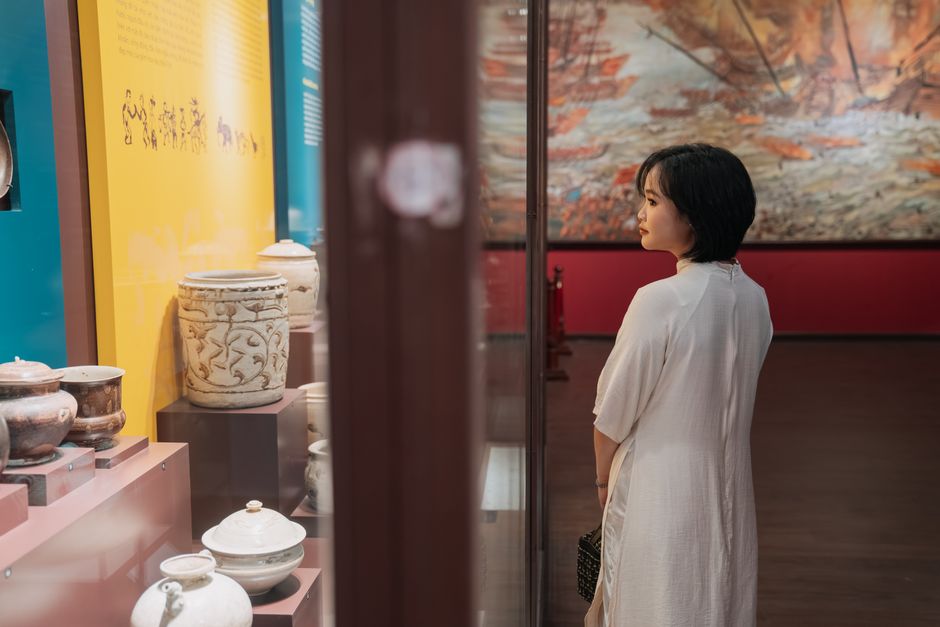
Dubai’s weekend social calendar officially detaches from the shopping mall this Friday, as the city’s independent art galleries and performance spaces command more foot traffic than the traditional retail corridors of Sheikh Zayed Road. While residents once flocked to the climate-controlled concourses of the Mall of the Emirates during the mid-2000s, the current July weekend surge is centered around the industrial-chic aesthetics of Al Quoz and the renovated heritage sites of Old Dubai.
The transition is not accidental. For years, the Alserkal Avenue district was a collection of warehouses serving the logistics industry. Today, it hosts 19 permanent contemporary art galleries and the Concrete project space, which remains one of the city's most architecturally significant venues. This evolution mirrors a wider government-backed push to reposition Dubai as a regional hub for the creative economy, moving away from the consumption-based growth models that defined the city’s early 2000s expansion.
Walking through the narrow sikkas of the Al Fahidi Historical Neighbourhood, the contrast is stark. Where developers once prioritized demolition for high-rise steel, entities like the Dubai Culture & Arts Authority now incentivize the preservation of traditional wind towers. These spaces, once slated for luxury redevelopment, now house independent cafes, photography studios, and experimental performance labs that operate well past midnight on weekends.
The data suggests that this cultural pivot is paying dividends. In the last fiscal report from the Dubai Department of Economy and Tourism, the creative sector contributed approximately 5.8% to the city's GDP in 2025. This is a significant jump from the 3.2% recorded in 2018. Ticket prices for independent weekend events at venues like The Theatre at Mall of the Emirates or the smaller, more intimate stage at Jameel Arts Centre are now frequently hitting the 250 AED mark, signaling a willingness among local residents to pay for curated, non-retail experiences.
As July temperatures push past 40 degrees Celsius, the city’s nightlife and cultural programming have adapted by shifting into deep-night hours. If you are heading out this Friday, bypass the primary tourist thoroughfares. Instead, check the schedule at the Warehouse 46 studios for experimental jazz, or visit the indoor vertical gardens at the DIFC’s Gate Village to catch the latest rotating photography exhibit. Most gallery openings and independent film screenings start at 8:00 p.m. this weekend, avoiding the heat and bypassing the typical mall gridlock that dominated Dubai weekends for decades.
How does this story make you feel?
Spread the word
About this article
Published by The Daily Dubai
Daily brief
Free, in your inbox before 7am. Weekdays.
More in culture


