property
Smart Investors Hunt 5-7% Returns in Dubai's Emerging Neighborhoods
As property prices climb, savvy investors are hunting for pockets of Dubai offering 5-7% returns-and they're finding gold in emerging hotspots beyond the glitzy postcodes.
Listen in English · 4 min
How we reported this
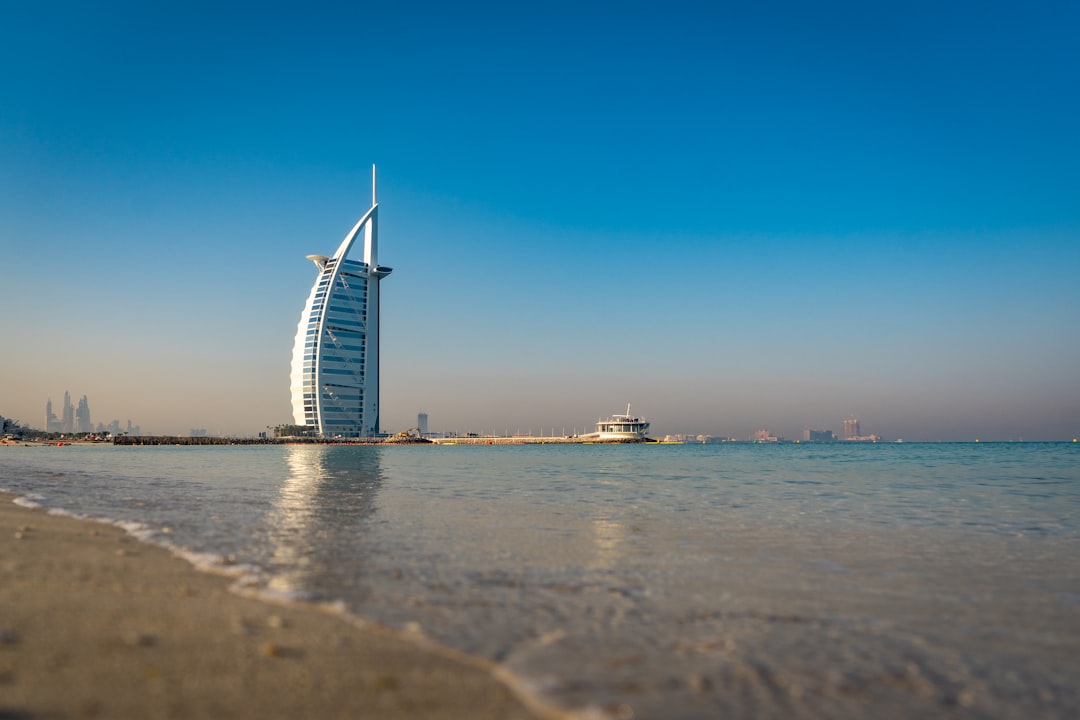
Dubai's real estate market continues its upward trajectory, but a growing cohort of property investors is asking a deceptively simple question: where can you actually make money on rent?
While headline-grabbing sales in Downtown Dubai and the Palm Jumeirah dominate the conversation, a more nuanced investment landscape is emerging across the emirate. Property prices have surged 15-20% across premium locations over the past 18 months, yet rental demand hasn't kept pace uniformly, creating what market analysts call a "yield gap."
The numbers tell an interesting story. In established precincts like DIFC and Business Bay, average apartment rents hover around AED 5,500-6,500 monthly for a two-bedroom, while purchase prices sit at AED 1.2-1.4 million-delivering yields closer to 4.5-5%. It's respectable, but hardly the 7-8% returns investors were seeing just three years ago.
Cue the emergence of secondary and tertiary markets as the new frontier for yield-conscious buyers. Areas like Arjan, Al Warsan, and Jebel Ali Village are capturing investor attention with improved infrastructure and positioning. A two-bedroom apartment in Arjan typically sells for AED 850,000-950,000 with monthly rents of AED 4,200-4,800-translating to solid 5.5-6% yields. These neighbourhoods lack the prestige premium of Downtown, but they're attracting young professionals and families seeking value.
International investors, particularly from India and Southeast Asia, are increasingly diversifying beyond trophy assets. According to recent market data, nearly 40% of non-UAE investor activity now targets emerging residential communities rather than established luxury zones. These buyers understand that in a maturing market like Dubai's, capital appreciation and rental income must work in concert.
However, the outlook isn't uniformly rosy. Middle East geopolitical tensions have created pockets of investor hesitation, particularly in property bonds and mortgage-backed securities. Some analysts warn that aggressive price growth in premium segments may be unsustainable without corresponding rental demand increases.
The counterargument is compelling: Dubai's population continues expanding, hospitality and tourism remain robust, and infrastructure projects like the Etihad Rail connection promise to unlock new residential demand patterns. The GCC real estate market is expected to sustain upward momentum through H1 2026, with Dubai anchoring regional growth.
For 2026, the sweet spot appears to be properties priced AED 800,000-1.2 million in well-connected secondary locations-large enough to offer genuine rental demand, yet modestly priced enough to deliver meaningful yields. The days of easy 8% returns may be behind us, but Dubai's rental market remains compelling for disciplined, geographically diversified investors.
This article is general information only and is not personal financial or investment advice. Consider your own circumstances and seek licensed professional advice before making financial decisions.