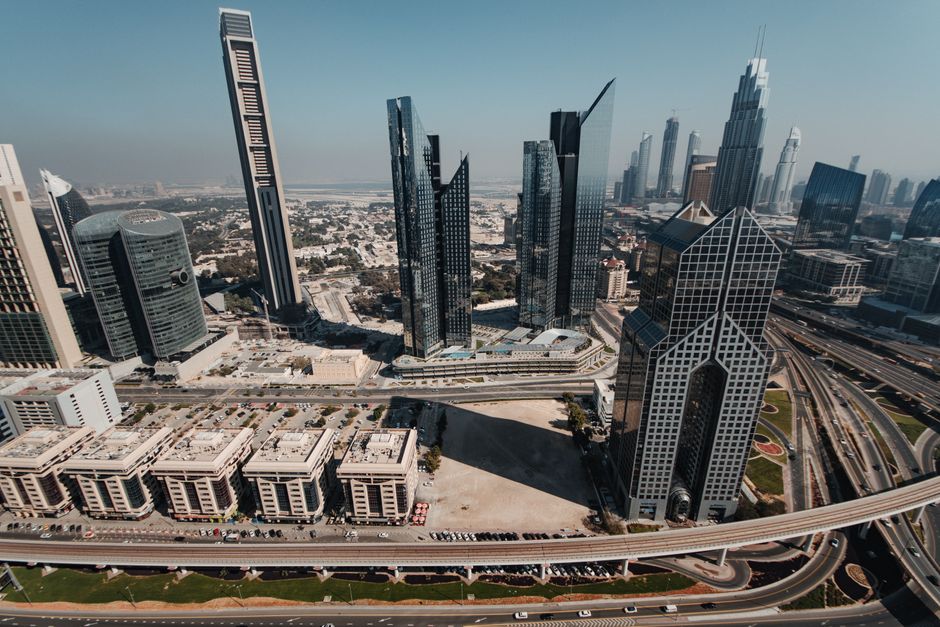
The construction cranes towering over Al Khawaneej and Jabel Ali tell only part of the story. Behind the blueprints for Dubai's latest transport infrastructure push—including extensions to the Red Line metro corridor and the controversial Al Khawaneej bypass project—sits a far more complex narrative being lived by thousands of residents who experience the impact daily.
"The traffic during peak hours on Sheikh Zayed Road has become unbearable," says Fatima Al Mansouri, who manages a boutique marketing firm near DIFC. "Everyone talks about how these projects will ease congestion eventually, but we're living through years of chaos right now. My team spends an extra 45 minutes in traffic most mornings, and that's reflected in our productivity and morale."
The scale of Dubai's transport ambition is staggering. The Roads and Transport Authority's infrastructure roadmap includes AED 40 billion in planned investments through 2030, with the metro system alone expected to expand by an additional 50 kilometres. Yet for community members navigating Construction Zone Dubai, the reality often feels overwhelming.
Khaled Ibrahim, who operates a restaurant in Deira near the Al Ras metro station, has watched successive waves of development reshape his neighbourhood. "The metro brought benefits—no question," he explains. "But during construction phases, footfall drops dramatically. Insurance costs rise, supply chain disruptions multiply. Smaller businesses like mine don't have the financial buffers that larger companies do."
Not all voices express concern. Amira Hassan, a resident of the newly developing Jabel Ali community, sees the infrastructure expansion differently. "Yes, there's temporary disruption, but I chose to live here partly because of planned transit improvements," she notes. "The new metro extension and improved road networks will transform property values and quality of life here. You have to think long-term."
The question of fair compensation and community consultation looms large. While the RTA conducts regular stakeholder engagement sessions, some business owners and residents say their voices struggle to influence timelines and traffic management strategies. The Chamber of Commerce estimates that small and medium enterprises in affected zones lost approximately AED 2.3 billion collectively during 2024-2025 due to construction-related disruptions.
As Dubai continues its relentless pursuit of becoming a seamlessly connected megacity, the human dimension of progress—the commuter frustrated by gridlock, the entrepreneur weathering temporary decline, the resident envisioning tomorrow's possibilities—remains the real measure of whether these transformative projects truly serve their communities.
This article was compiled by AI from the sources linked above and screened before publishing. See our editorial standards.