Dubai's Housing Future Takes Shape: What City Officials and Urban Planners Are Really Saying
Senior authorities and real estate experts weigh in on zoning reforms, affordability challenges, and the next phase of development across key emirates.
Senior authorities and real estate experts weigh in on zoning reforms, affordability challenges, and the next phase of development across key emirates.
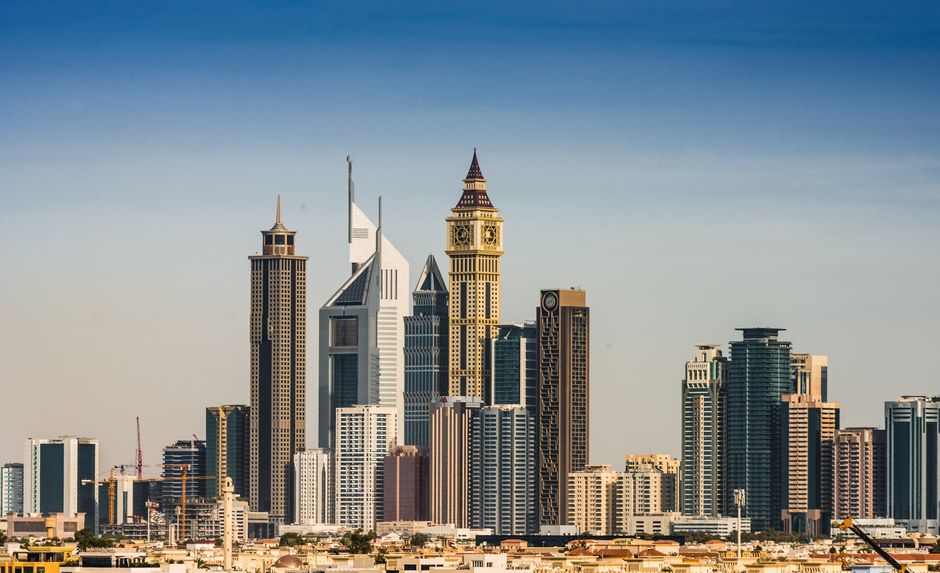
As Dubai enters a critical phase of urban densification, housing officials and planning experts are signalling a significant shift in how the emirate approaches residential development over the next decade.
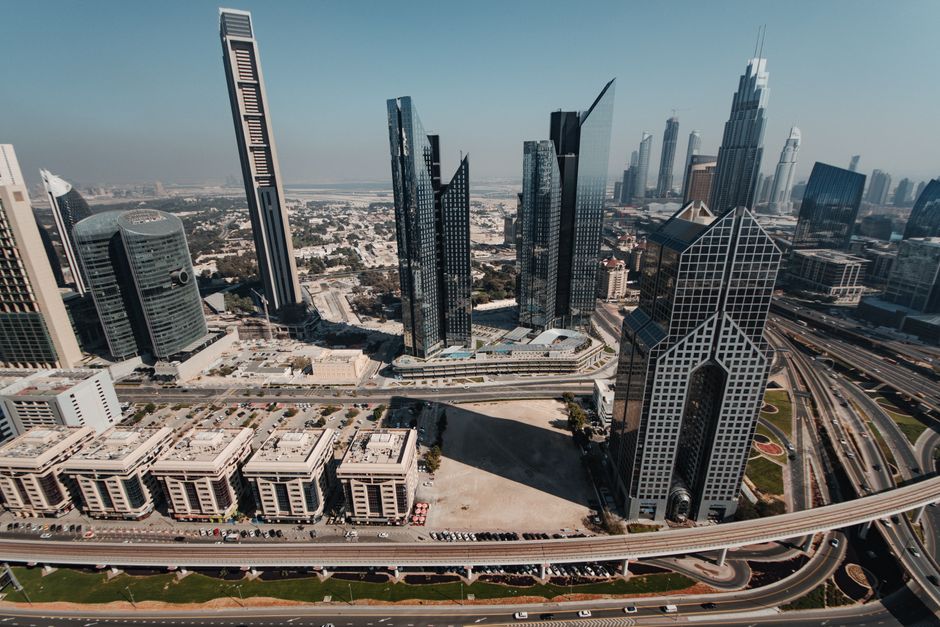
The Dubai Municipality and the Real Estate Regulatory Agency have indicated plans to streamline zoning regulations in established neighbourhoods, with particular focus on areas like Deira, Bur Dubai, and parts of New Dubai. Officials have emphasised the need to balance heritage preservation with modernisation, a delicate equilibrium that planners say requires careful policy calibration.
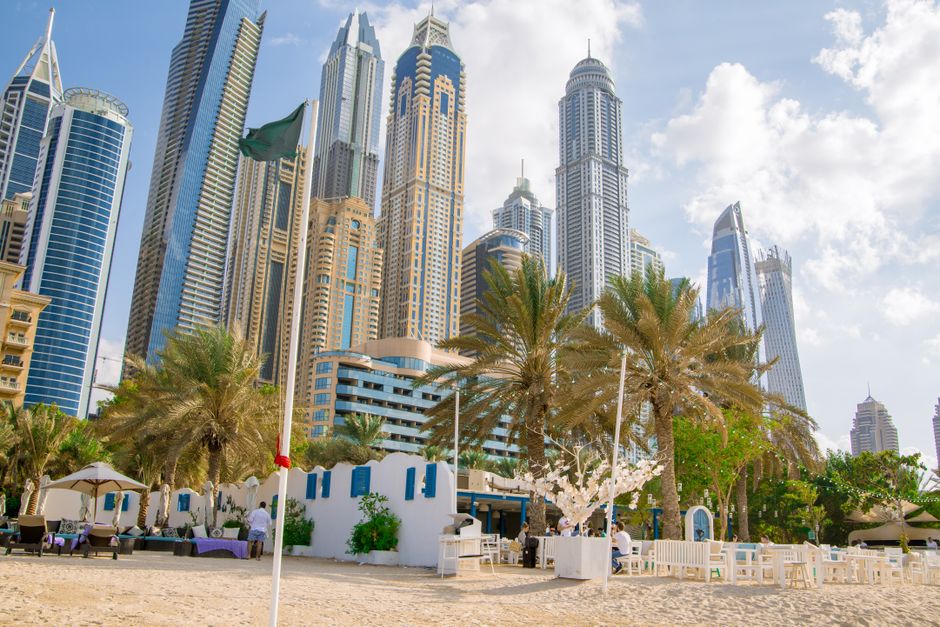
At recent industry forums, senior voices within the development sector have highlighted the growing tension between supply and affordability. While median apartment prices in prime locations such as Downtown Dubai and the Marina continue to climb above 1.2 million dirhams for a two-bedroom unit, emerging areas like Jumeirah Village Circle and Dubai South are attracting younger buyers seeking entry-level options. Experts note this geographic divergence reflects deeper strategic thinking about mixed-income neighbourhoods.
The Roads and Transport Authority, alongside Dubai Land Department officials, have been vocal about infrastructure-led planning. Their position: major housing expansion must be paired with enhanced metro connectivity and parking solutions. The planned extensions to the Red and Green lines are being framed not as afterthoughts but as prerequisites for residential zone approvals.
Sustainability has become a central theme in official messaging. City planners have signalled stronger enforcement of green building standards across all new residential projects, citing climate resilience and long-term cost efficiency. This reflects broader Gulf region trends toward environmental accountability.
Industry analysts have pointed out that Dubai's policy approach differs markedly from previous boom-cycle years. Rather than rapid, large-scale releases of land, authorities appear to favour graduated opening of designated zones paired with stricter quality controls. This measured approach suggests officials are cognisant of previous oversupply risks and market volatility.
One consistent refrain from officials: the need for diverse housing typologies. Beyond luxury high-rises and villas, there is stated commitment to expanding mid-market residential options, particularly townhouses and smaller apartment configurations suited to families and professionals.
The conversation around villa communities in areas like Arabian Ranches and Emaar's master-planned developments reveals another strategic priority: creating self-contained, mixed-use neighbourhoods rather than purely residential zones. This reflects global urban planning best practices being actively adopted here.
As these policies take firmer shape over the coming months, stakeholders across construction, real estate, and municipal governance will be watching closely to see whether stated intentions translate into tangible regulatory changes and project approvals.
This article was compiled by AI from the sources linked above and screened before publishing. See our editorial standards.
How does this story make you feel?
Spread the word
About this article
Published by The Daily Dubai
Daily brief
Free, in your inbox before 7am. Weekdays.
More in News