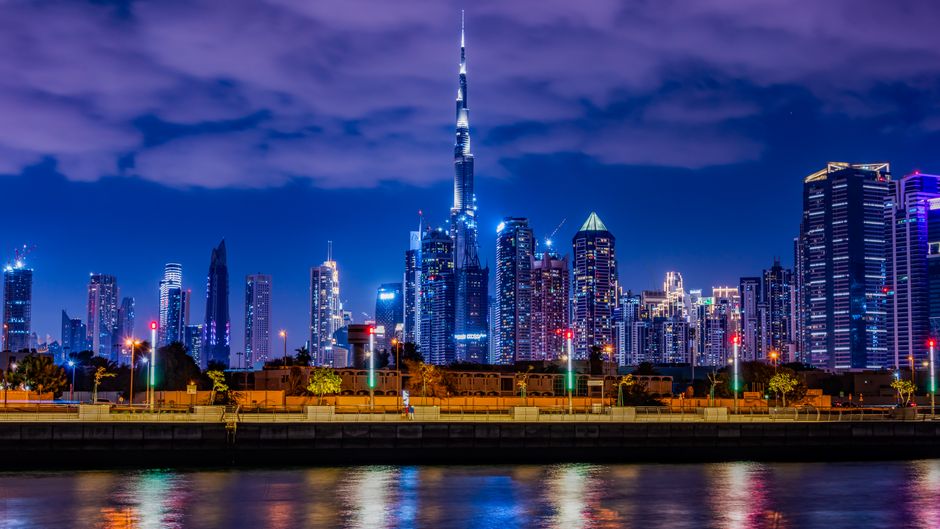
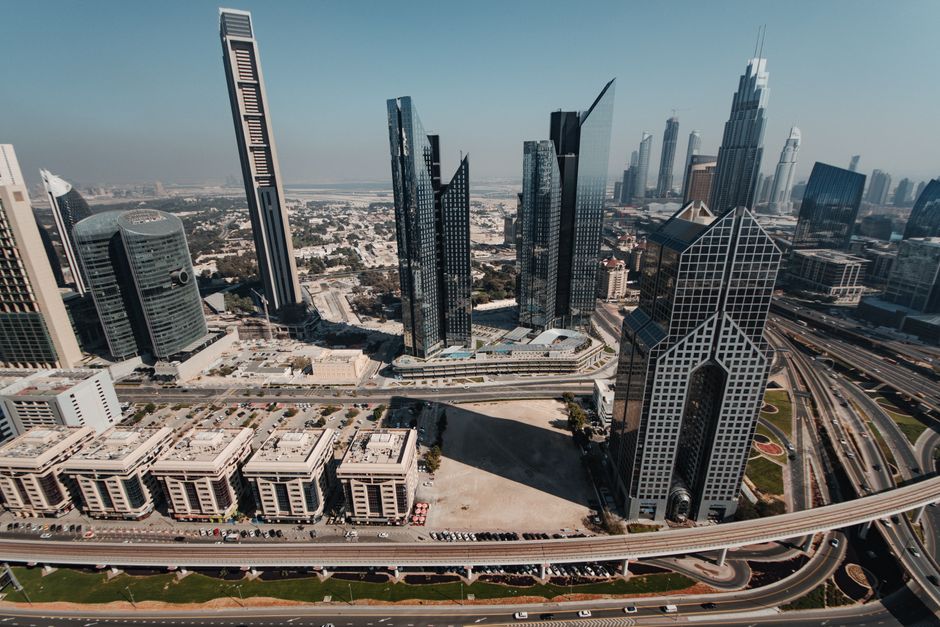
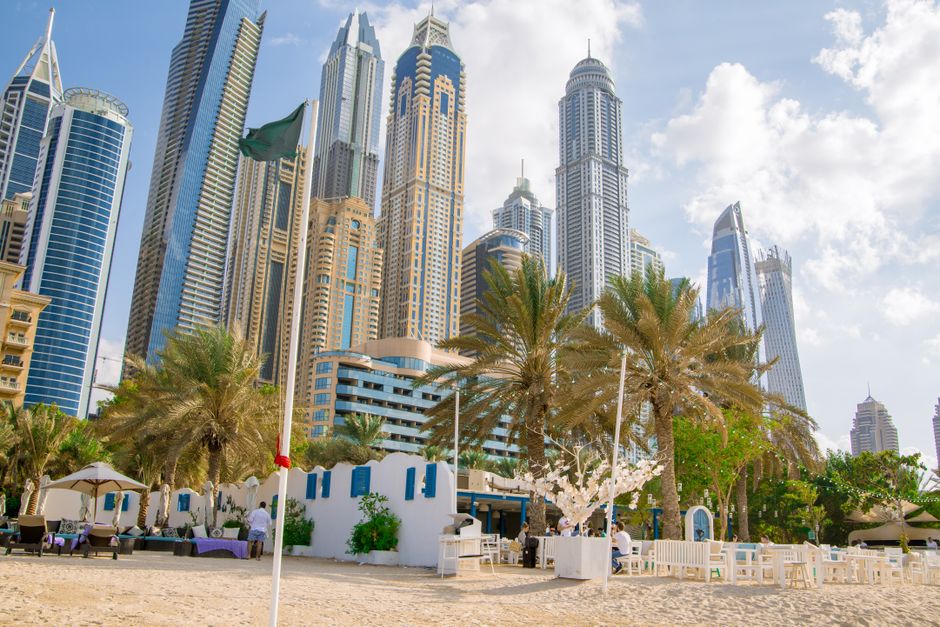
Dubai stands at a crucial inflection point in its housing story. With the emirate's population projected to reach 3.9 million by 2030, and median apartment rents in prime areas like Downtown Dubai and Dubai Marina hovering near AED 150,000 annually, the question facing urban planners is no longer whether to act—but how.
The Real Estate Regulatory Agency's recent data shows that while villa transactions remain robust in Arabian Ranches and Jumeirah Golf Estates, demand for mid-range apartments has shifted dramatically toward emerging communities. Areas like Dubai South, Sobha Hartland, and the recently revitalised Jebel Ali Noor neighbourhood are absorbing significant volumes of first-time buyers and young families priced out of central locations.
The immediate decision tree is complex. Dubai's Department of Urban Planning must determine whether to intensify vertical development in established zones—potentially increasing density along Sheikh Zayed Road and within the Deira waterfront regeneration project—or continue expanding horizontally into areas like Meydan and the Dubai Hills Estate periphery. Each path carries distinct implications for infrastructure, traffic management, and environmental impact.
Affordability remains the elephant in every planning meeting. Current policies encouraging developer-led housing have delivered quantity but not necessarily accessibility for mid-income residents. The emirate's experiment with rent caps in specific communities during 2024-25 showed mixed results, suggesting that supply-side solutions may require calibration. Whether Dubai doubles down on incentivising affordable-unit quotas within mixed-income developments—or explores alternative models like land-lease arrangements—will reshape neighbourhoods from Warsan to Al Manara.
The government's sustainability commitments also demand architectural reckonings. The requirement for enhanced green building standards and water-efficient systems adds 8-12 percent to development costs, yet is non-negotiable given climate pressures. Future projects along the Dubai Creek Harbour and the still-emerging areas adjacent to the Expo 2020 site will test whether premium sustainability can coexist with moderate pricing.
Parallel to these policy questions looms a critical timing issue: how aggressively to permit mixed-use developments that blend residential, commercial, and recreational functions. The success of newer pedestrian-friendly zones suggests demand exists, but scaling this model requires coordination between multiple government entities and private stakeholders.
By year-end 2026, Dubai's leadership is expected to unveil updated housing strategy guidelines. That roadmap will likely reveal whether the emirate prioritises density and accessibility, geographic diversity, or accelerated sustainability transitions. The choices made now will echo through decades of urban fabric.
This article was compiled by AI from the sources linked above and screened before publishing. See our editorial standards.