By The Numbers: The Staggering Data Behind Dubai's Transport Revolution
As the emirate completes its most ambitious infrastructure cycle, the statistics reveal a city fundamentally reshaping its mobility landscape.
As the emirate completes its most ambitious infrastructure cycle, the statistics reveal a city fundamentally reshaping its mobility landscape.
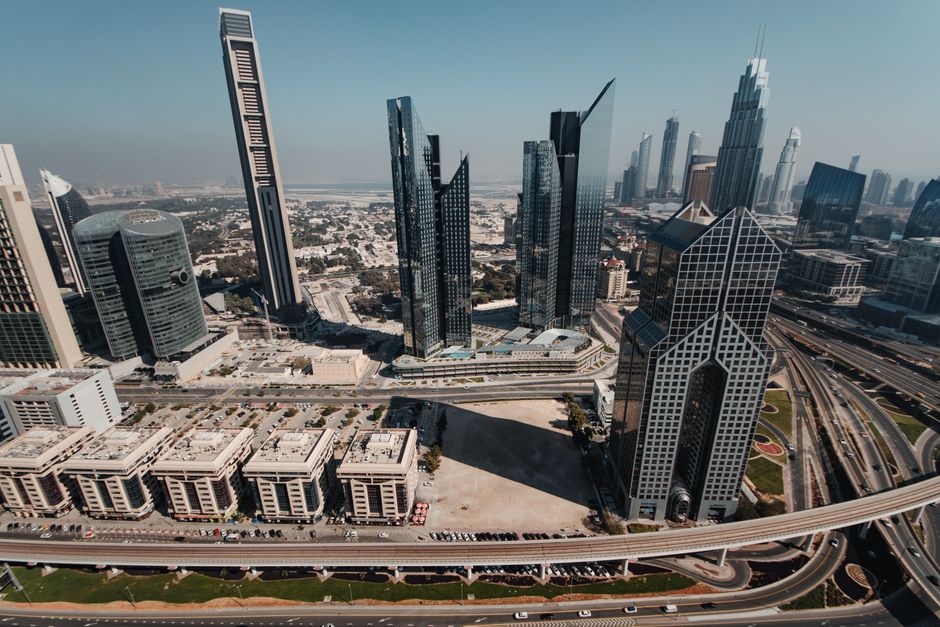
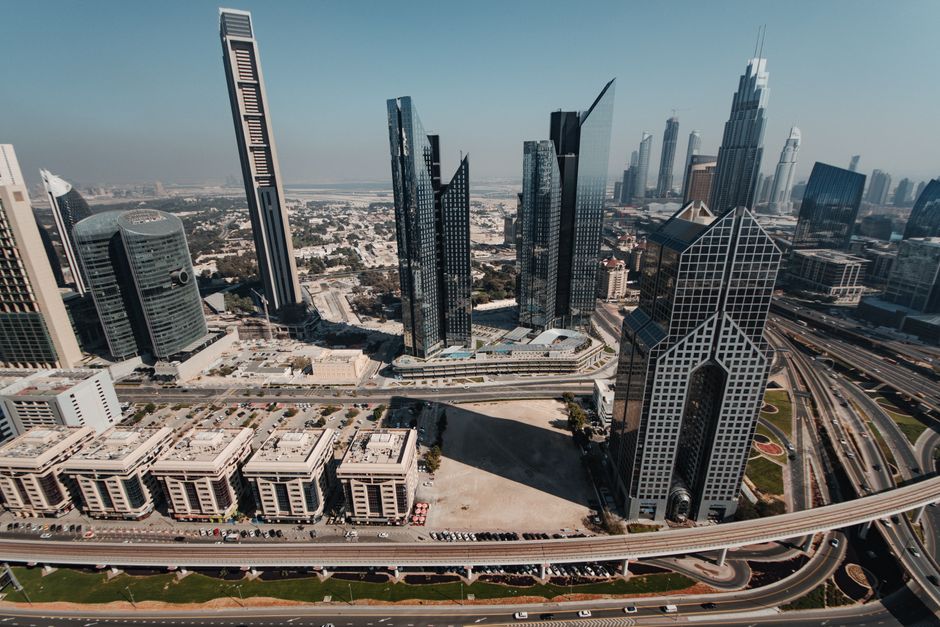
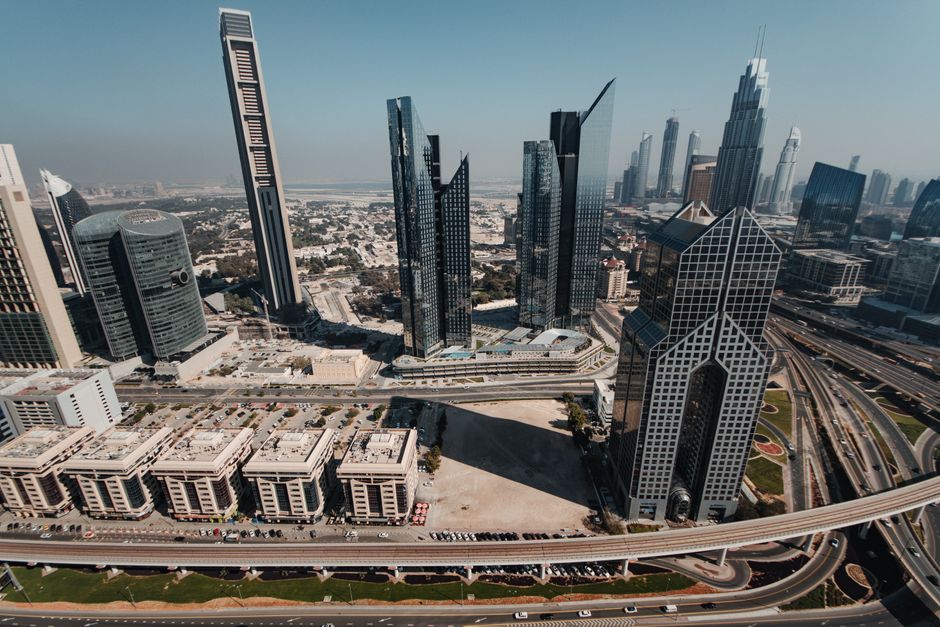
Dubai's transport infrastructure ambitions have always been measured in superlatives, but the raw data tells an even more compelling story. With multiple megaprojects reaching completion or advanced stages throughout 2026, the numbers paint a picture of unprecedented urban investment and logistical complexity.
The Roads and Transport Authority's latest quarterly report reveals that Dubai's road network now spans 4,847 kilometres, up from 4,201 kilometres in 2020. Yet this expansion tells only part of the story. The average commute time from residential clusters in Arabian Ranches to business districts in Downtown Dubai has decreased by 14 minutes over the past five years—a seemingly modest figure that translates to approximately 234 hours annually per commuter.
The metro expansion programme has absorbed 34.2 billion dirhams since its 2020 restart, with the Red Line extension towards Expo City now accounting for 28 stations across a 15-kilometre corridor. Usage statistics prove equally instructive: daily metro ridership has climbed from 412,000 in early 2024 to an estimated 687,000 by mid-2026, representing a 67 per cent increase driven largely by improved connectivity to suburban employment zones.
Perhaps most striking are the numbers attached to the Deira-Bur Dubai waterfront transport link. At a cost of 8.7 billion dirhams, the 12-kilometre elevated transit system was designed to handle 84,000 passenger journeys daily at full capacity. Current projections suggest it will reach 61 per cent capacity utilisation within three years—substantially higher than original forecasts.
Parking statistics reveal changing mobility patterns. Dedicated parking spaces across the emirate have increased by 47,000 units since 2022, yet utilisation rates at major commercial hubs have declined 8 per cent, suggesting a gradual shift towards public transit. Average parking tariffs in Sheikh Zayed Road commercial districts now range from 3 to 7 dirhams per hour, up 23 per cent from 2023 rates.
The emerging picture is one of strategic rebalancing. Dubai has invested 89.3 billion dirhams across all transport infrastructure since 2020, yet the most telling metric may be modal share. Private vehicles now account for 71 per cent of journeys—down from 81 per cent five years earlier. In a city that built itself on automotive culture, that represents a genuine transformation, however incremental it might appear in isolation.
These numbers, collectively, suggest Dubai's transport future is being engineered with precision. Whether these investments deliver anticipated returns will become clearer within 24 months.
This article was compiled by AI from the sources linked above and screened before publishing. See our editorial standards.
How does this story make you feel?
Spread the word
About this article
Published by The Daily Dubai
Daily brief
Free, in your inbox before 7am. Weekdays.
More in News