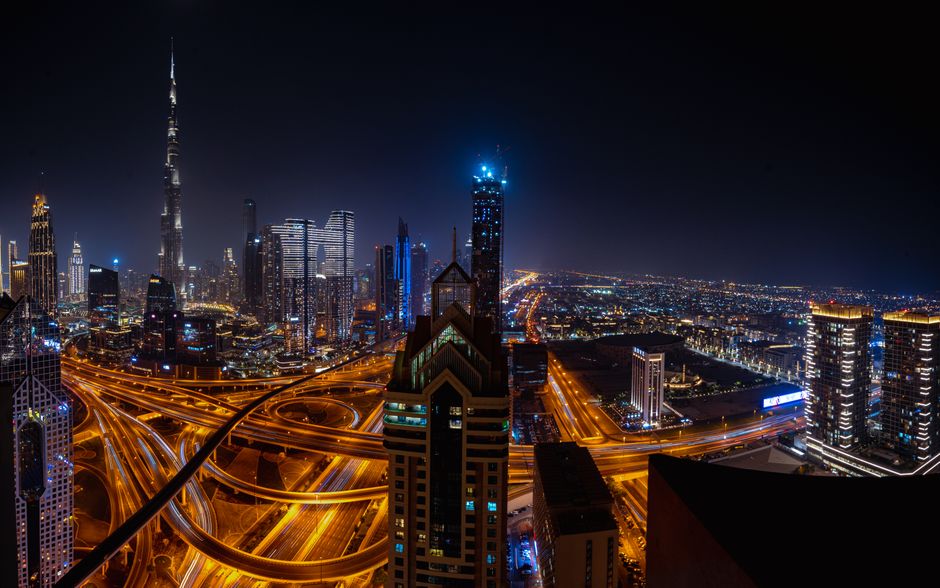
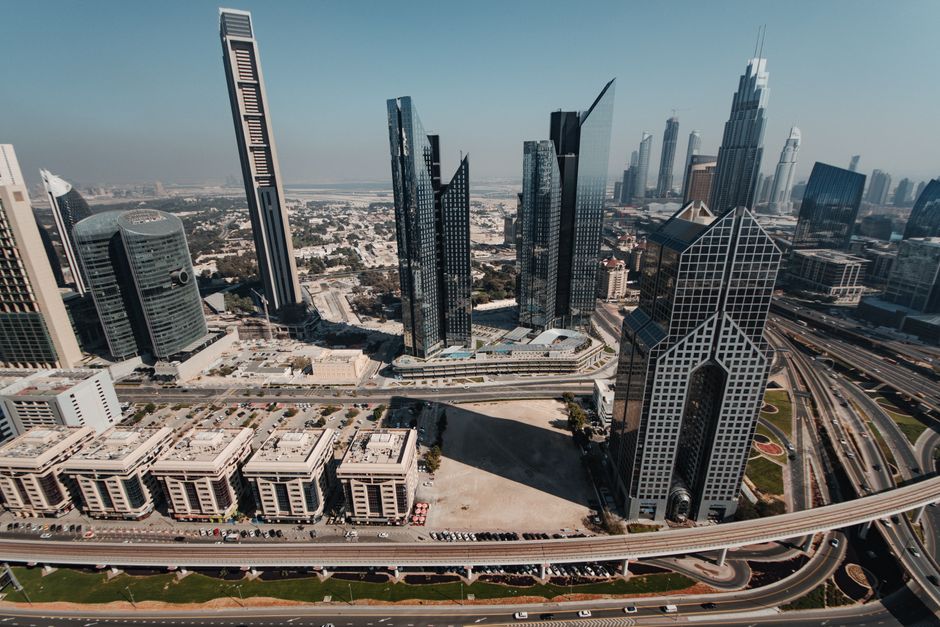
For years, residents of Al Manara—one of Dubai's most densely populated neighbourhoods with over 45,000 inhabitants across its compact residential towers—have faced a persistent challenge: isolation despite living shoulder-to-shoulder with thousands of neighbours.
The opening of the Al Manara Community Centre last month on Sheikh Zayed Road represents a watershed moment for a neighbourhood that has long lacked dedicated gathering spaces. Unlike the sprawling community facilities in newer developments like Dubai Hills Estate or Arabian Ranches, residents here have historically relied on shopping malls and scattered recreational facilities across the city.
"This changes everything," says local resident Fatima Al Mansouri, who runs a small business in the neighbourhood. "Before, if you wanted to meet neighbours, you'd bump into them in the lobby. Now there's somewhere intentional to gather."
The 12,000-square-metre facility offers affordable programming—Arabic classes at AED 150 per month, children's after-school clubs at AED 200 weekly—that contrasts sharply with premium memberships at private clubs. For families living in compact apartments with rents averaging AED 2,500-3,500 monthly, accessibility matters.
The centre's impact ripples beyond recreation. Community centres reduce neighbourhood isolation, particularly for migrant families who comprise 88% of Dubai's population. In Al Manara, where Indian, Pakistani, Filipino and Bangladeshi residents form significant populations, the facility now hosts cultural events and skill-sharing workshops in multiple languages.
Research from the UAE's Ministry of Community Development indicates that residents with regular community engagement report 35% higher neighbourhood satisfaction and participate more actively in local maintenance and safety initiatives. In practical terms, this means better-maintained common areas, faster response to complaints, and stronger networks during emergencies.
Local schools have already partnered with the centre for after-school programmes, reducing childcare pressures on working parents. The adjoining clinic offers subsidised health screenings—crucial in a neighbourhood where many residents lack comprehensive insurance.
Al Manara's success isn't coincidental. City planners increasingly recognise that dense urban neighbourhoods require intentional community infrastructure. As Dubai's population approaches 4 million, and rental pressures push more families into compact areas, replicating this model across Deira, Bur Dubai, and Satwa becomes critical.
For Al Manara residents, the centre represents validation that their neighbourhood—often overlooked in favour of glamorous newer developments—deserves investment and attention. That matters as much as the programmes it offers.
This article was compiled by AI from the sources linked above and screened before publishing. See our editorial standards.