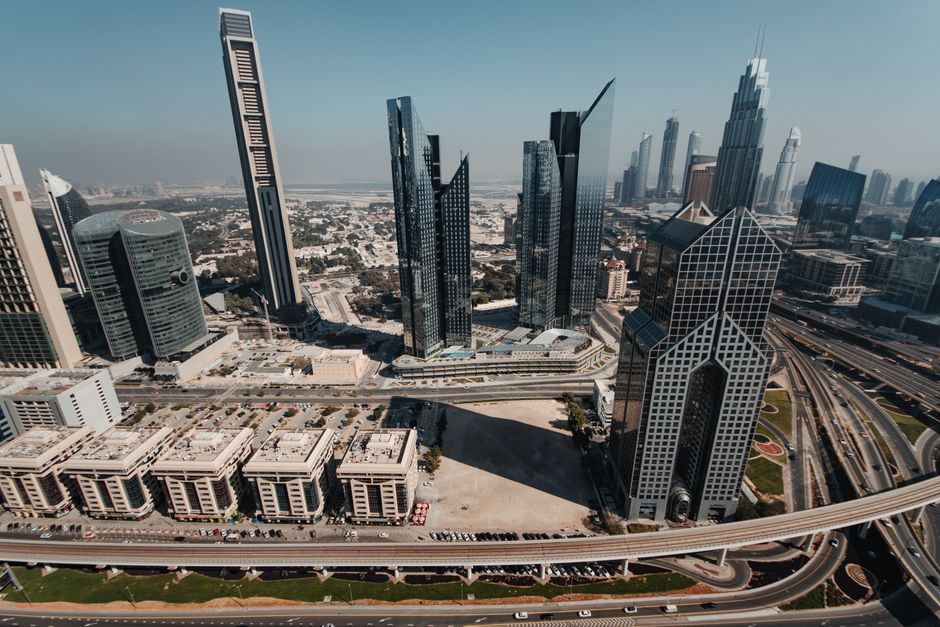
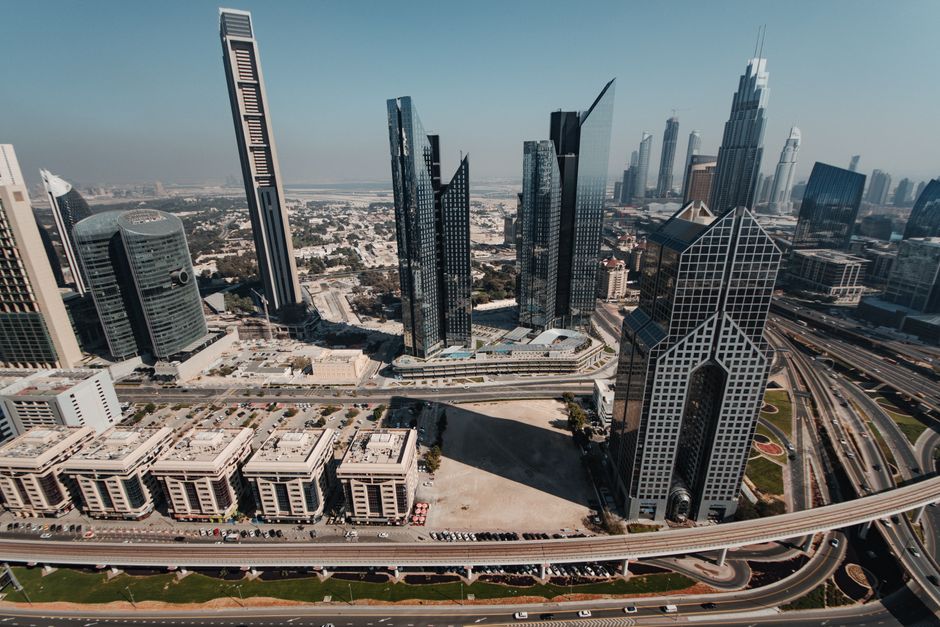
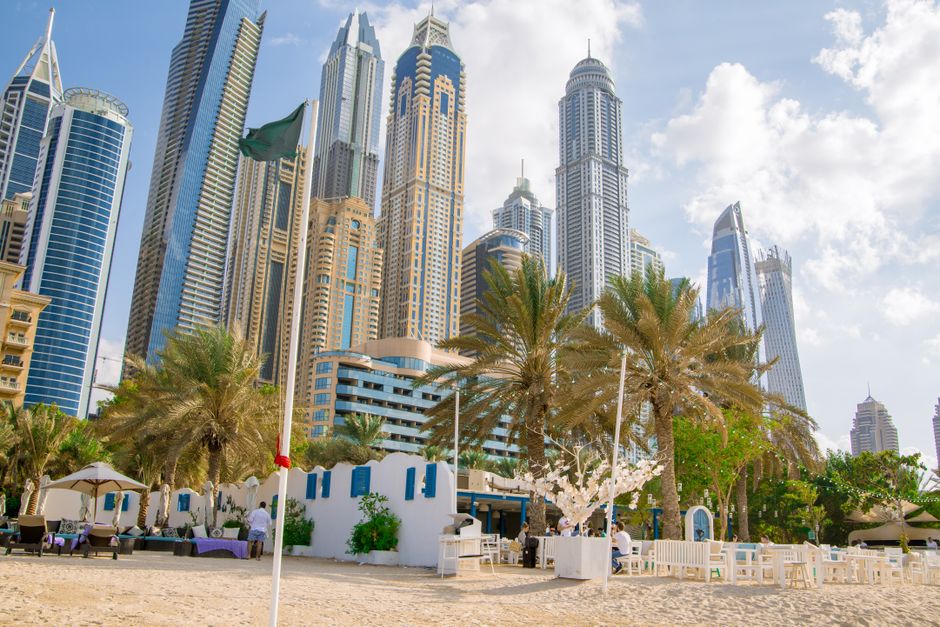
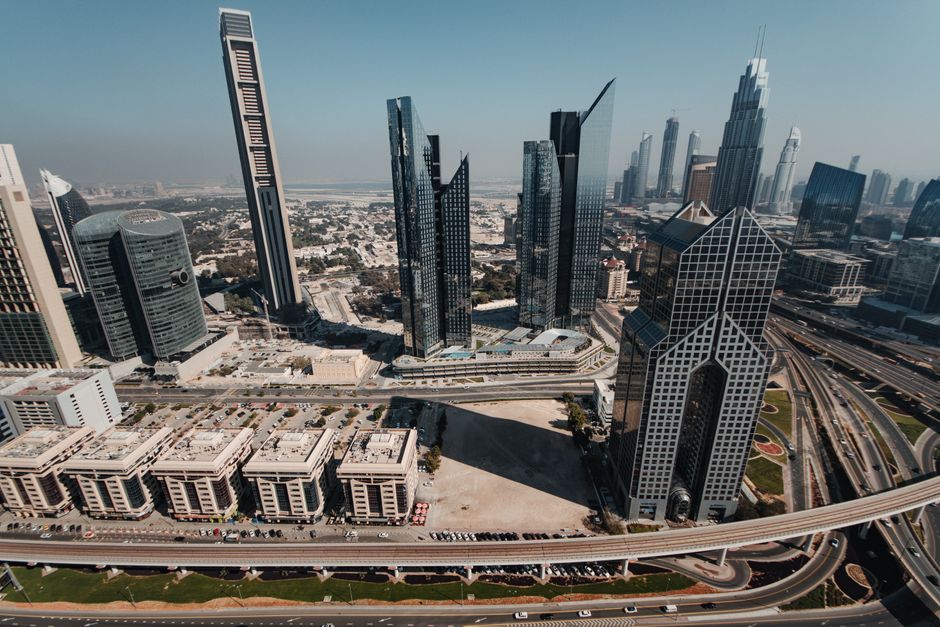
Walk through Al Manara today and you'll find families from over 40 nationalities sharing evening meals at the community garden near Sheikh Zayed Road, children playing together at newly renovated parks, and residents collaborating on neighbourhood improvement projects. But this wasn't always the norm in the modest residential area tucked between Deira and Bur Dubai.
A decade ago, Al Manara faced familiar urban challenges that many established Dubai neighbourhoods grappled with: ageing infrastructure, limited communal spaces, and a transient population with minimal social cohesion. Property rental rates—then hovering around AED 45,000 annually for modest apartments—had attracted primarily migrant workers and young professionals, many of whom viewed their residence as temporary. The neighbourhood lacked the organised community structures that characterised wealthier emirates like The Greens or Arabian Ranches.
The turning point came in 2016 when the Dubai Municipality's Community Development Initiative partnered with local NGO Tanmia to assess neighbourhood needs. Their findings were striking: 73% of residents had lived in Al Manara for less than three years, and fewer than 40% participated in any community activity. Physical infrastructure also deteriorated—parks were underutilised, streets needed better lighting, and cultural divisions meant neighbours rarely interacted across ethnic lines.
"We realised the issue wasn't money," explains the initiative's documented approach in municipal records. "It was about creating structured touchpoints where people could naturally connect." The response included a modest AED 8 million investment in infrastructure upgrades: improved street lighting along Al Manara Street, renovation of three pocket parks, and creation of a community centre in a converted warehouse near the Al Manara mosque.
Equally important were the social interventions. Monthly neighbourhood dinners—rotating between different cultural cuisines—began drawing crowds of 200-plus residents. A neighbourhood watch programme formalised informal security concerns. A skills-sharing initiative let residents teach neighbours languages, cooking, and trades, fostering genuine relationships beyond surface-level proximity.
By 2023, tenant turnover had decreased to 52%, community participation reached 68%, and crime statistics had dropped 34% compared to 2016 figures. Property values increased proportionally; similar apartments now command AED 58,000-62,000 annually, reflecting improved desirability.
Today's Al Manara tells a quieter success story than Dubai's gleaming megaprojects. Yet it demonstrates something equally valuable: how systematic attention to social infrastructure, combined with genuine community engagement, can transform neighbourhoods not through displacement but through deepened belonging. For a city built on constant arrival, such stability proves increasingly precious.
This article was compiled by AI from the sources linked above and screened before publishing. See our editorial standards.