Dubai Municipality Charts New Course: This Week's Major Policy Shifts and Infrastructure Decisions
From Downtown zoning changes to Deira waterfront development approvals, local government initiatives reshape the emirate's urban landscape.
From Downtown zoning changes to Deira waterfront development approvals, local government initiatives reshape the emirate's urban landscape.
Dubai's municipal governance took several significant turns this week, signalling a renewed focus on sustainable urban planning and heritage preservation alongside continued economic development.
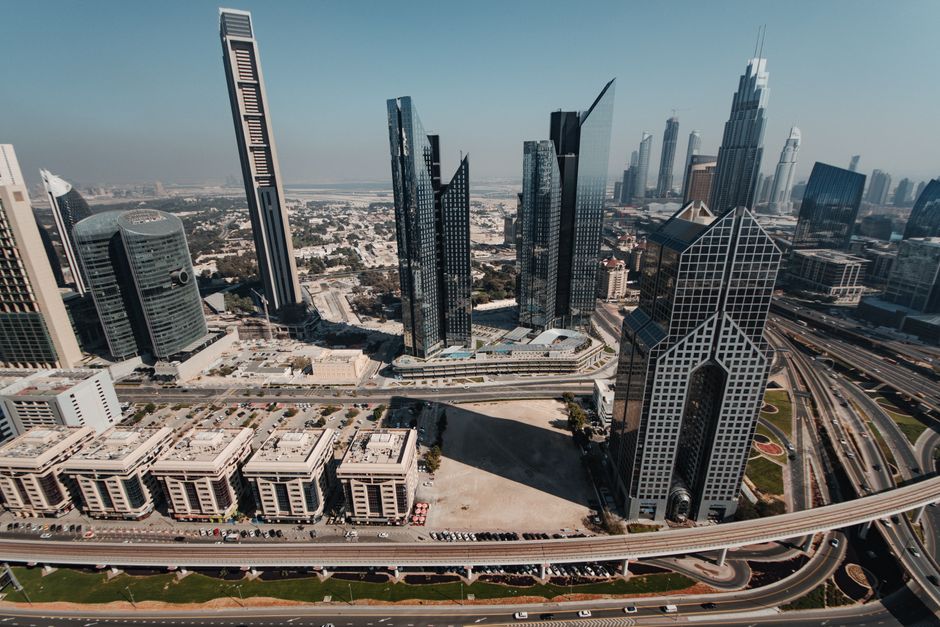
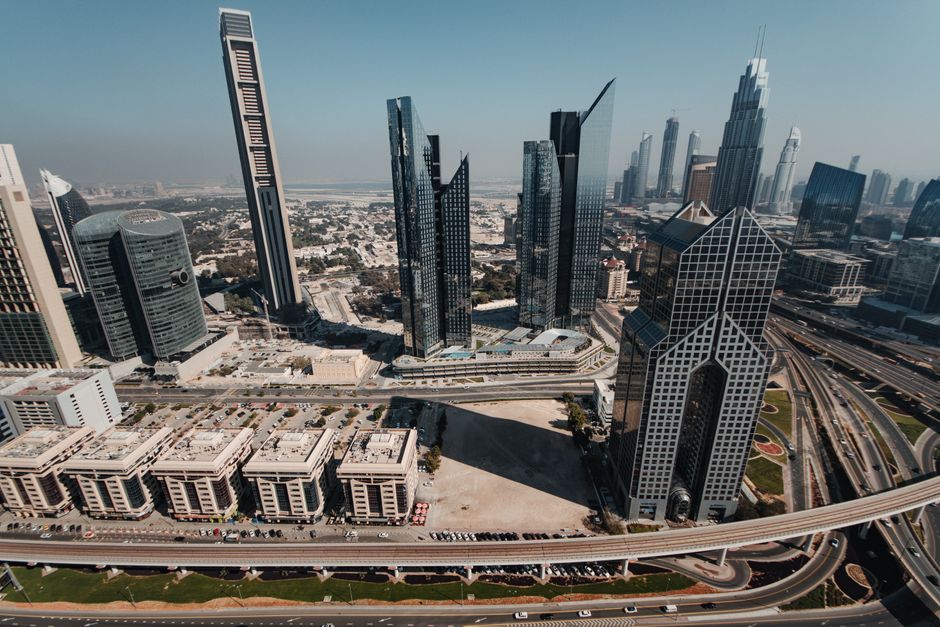
The Dubai Municipality's planning department announced updated zoning regulations for Downtown Dubai on Monday, introducing stricter building height limitations in residential corridors adjacent to the Burj Khalifa precinct. The move aims to enhance skyline diversity and reduce shadowing effects on existing communities in the area. The new guidelines will affect approximately 47 hectares of mixed-use land currently earmarked for development, potentially redirecting investment toward Business Bay and Jumeirah Lake Towers.
In a parallel development, the Department of Urban Planning approved a comprehensive master plan for the Deira waterfront regeneration project on Wednesday. The AED 8.2 billion initiative will transform 3.2 kilometres of heritage coastline, incorporating traditional dhow-building areas with contemporary commercial spaces. The first phase, launching in Q4 2026, prioritises restoration of historic Gold Souk infrastructure and creation of maritime heritage museums along Al Khaleej Road.
Traffic management emerged as another priority this week. The Roads and Transport Authority confirmed completion of phase two of the Al Manara underpass expansion project, reducing congestion on Sheikh Zayed Road during peak hours by an estimated 18 per cent. Officials credited improved traffic flow data collection systems installed across Deira, Downtown, and Marina zones.
The Dubai Executive Council also ratified new sustainability standards for commercial developments, mandating solar panel installation on 40 per cent of rooftop space for buildings above 15,000 square metres. Industry sources estimate this will affect approximately 220 active construction projects across the emirate.
Public consultation mechanisms received attention as well. The municipality launched an enhanced digital feedback platform allowing residents to report infrastructure concerns directly to district offices. Within 48 hours of launch, the system received over 3,400 submissions regarding pothole repairs, streetlight maintenance, and park facility upgrades.
Budget allocation discussions centred on education infrastructure expansion, with the Knowledge and Human Development Authority announcing AED 1.1 billion directed toward school renovations across Muhaisnah, Al Baraha, and Al Quoz industrial areas over the next three years.
These developments reflect Dubai's ongoing balancing act between rapid development and thoughtful urban stewardship. Whether these initiatives will effectively address resident concerns about infrastructure maintenance and heritage protection remains to be seen, though early municipal commitments suggest a maturing approach to long-term planning.
This article was compiled by AI from the sources linked above and screened before publishing. See our editorial standards.
How does this story make you feel?
Spread the word
About this article
Published by The Daily Dubai
Daily brief
Free, in your inbox before 7am. Weekdays.
More in News