Dubai's approach to crime prevention and emergency response didn't materialise overnight. The journey from the relatively smaller, tightly-knit community of the early 2000s to today's sprawling metropolis of nearly 3.6 million residents reflects a series of deliberate policy shifts, technological investments, and operational recalibrations that security experts say were born out of necessity.
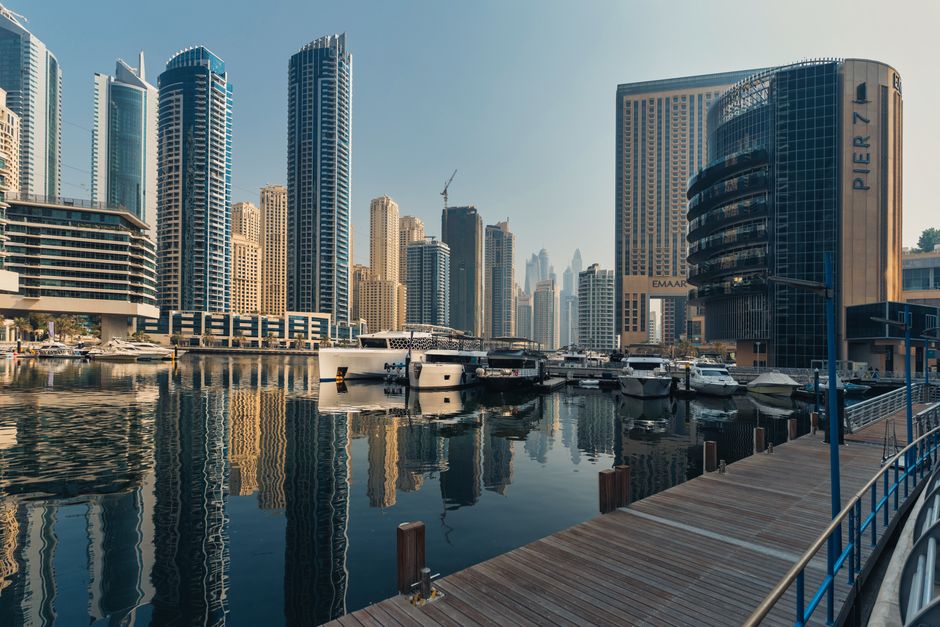
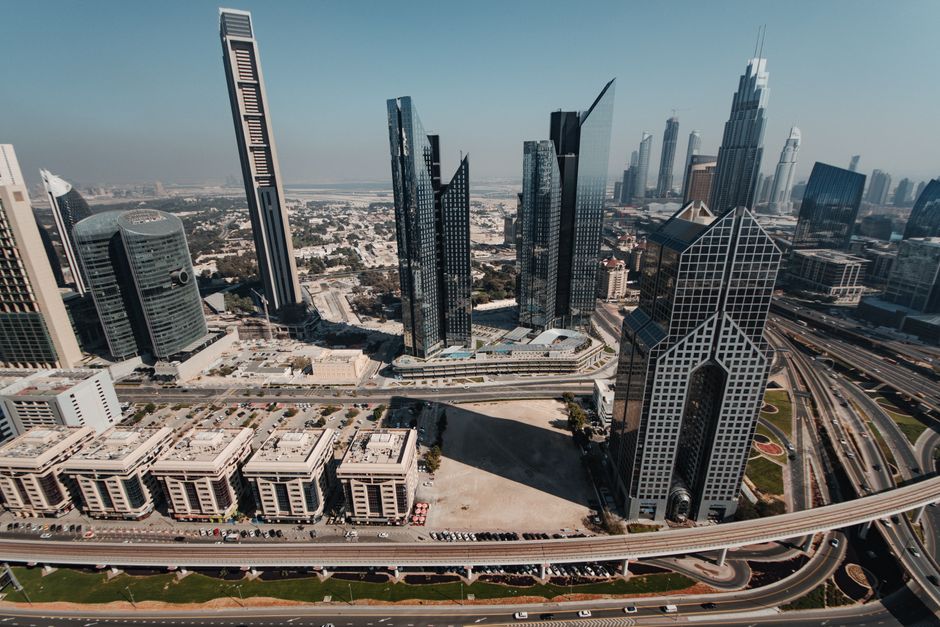
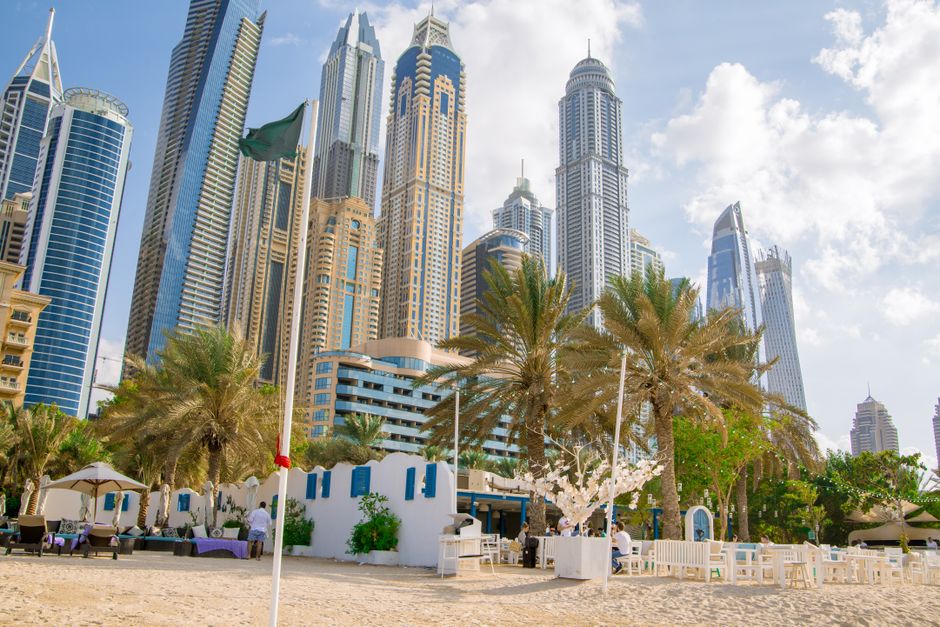
The turning point came around 2015-2016, when Dubai Police leadership recognised that traditional policing models—effective during the emirate's initial growth phase—required fundamental reimagining. The expansion of residential communities like Dubai Marina, Downtown Dubai, and later Jumeirah Village Circle meant response times and community engagement strategies needed overhauling. Annual crime statistics, which had remained relatively stable through the 2010s, showed emerging patterns that demanded data-driven intervention.
"The inflection point was understanding that growth had outpaced our operational infrastructure," explains the documented reasoning behind initiatives like the Dubai Police Smart Station programme, which expanded mobile precinct locations across Business Bay, Al Baraha, and Deira. By 2018, the force had digitised roughly 60 percent of routine reporting, allowing officers to respond faster to priority calls rather than processing paperwork at fixed stations.
The establishment of the Dubai Emergency Management and Resilience Authority in 2019 represented the culmination of years of inter-agency coordination challenges. Prior to this, emergency response coordination between Dubai Police, Dubai Civil Defence, and health services operated through less integrated channels. A 2017 fire incident in Deira that exposed communication gaps between responders accelerated discussions about unified command structures.
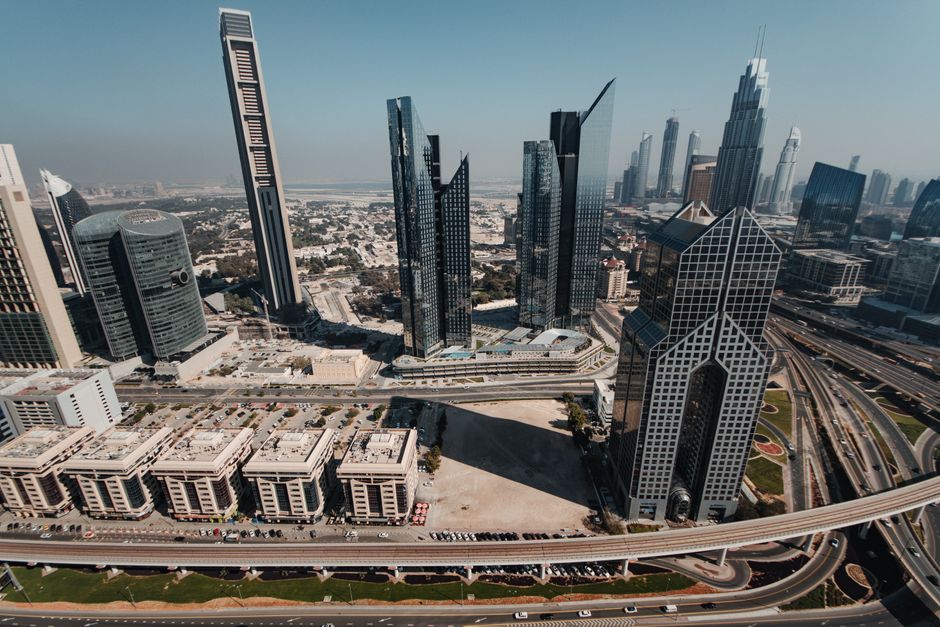
Technology adoption accelerated dramatically from 2020 onwards. Investment in CCTV networks across Sheikh Zayed Road, Al Manara Street, and residential clusters reached an estimated AED 400 million by 2024. Facial recognition pilot programmes in select high-footfall areas—Mall of the Emirates, Dubai Marina Mall—began in 2021, though with carefully managed privacy parameters following public consultation.
Staffing levels tell another story. Dubai Police headcount grew from approximately 14,000 in 2015 to over 18,500 by 2024, with particular emphasis on community policing roles. The establishment of neighbourhood watch initiatives across communities like Arabian Ranches and Emaar Beachfront reflected lessons learned from international best practices—a recognition that reactive enforcement needed preventive community partnership.
Today's relatively low crime rates, particularly for serious offences, didn't emerge from vacuum. They represent the accumulated result of deliberate investment, organisational restructuring, and a willingness to adapt strategies as Dubai's character fundamentally transformed.
This article was compiled by AI from the sources linked above and screened before publishing. See our editorial standards.